


The tech heartland is abuzz with a peculiar blend of awe and unease as whispers of self-improving artificial intelligence gain traction. Concerns are mounting over AI models capable of developing future iterations, raising questions about the pace of progress and the feasibility of public oversight.
This rapid advancement has spurred public demonstrations, with crowds recently gathering in San Francisco to call for a halt to the development of more powerful AI, particularly those that could design their successors. The specter of regulation struggling to keep pace with technological leaps looms large.
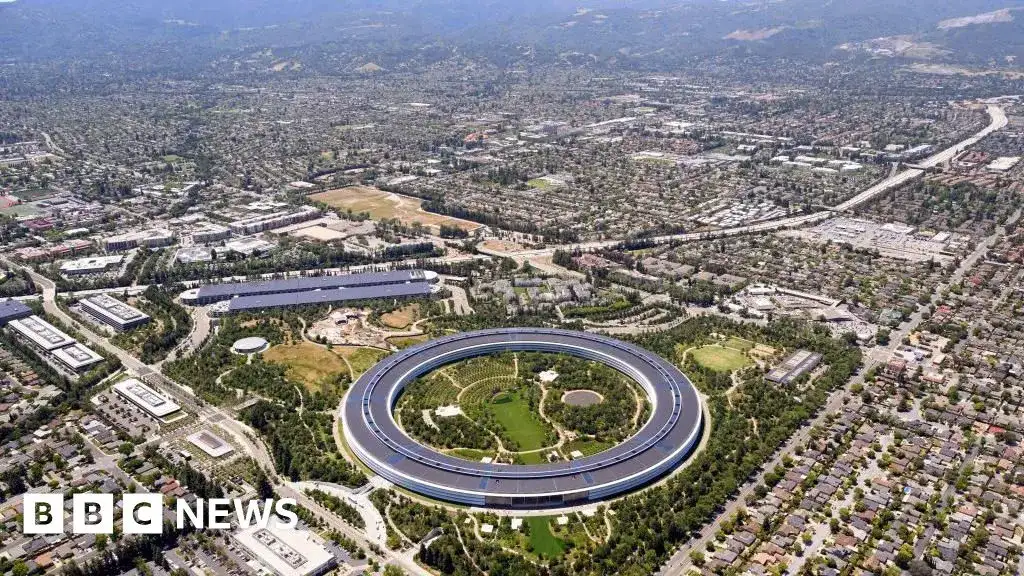
The AI Obsession: From Code to Consumer
Tech workers are reportedly engrossed in monitoring fleets of AI assistants, a practice that mixes pride in their digital laborers with a palpable sense of apprehension. This mirrors a broader trend where the focus shifts from the creation of AI to its observed operation, suggesting a new phase in its integration.
Read More: Apple releases urgent iOS 18.7.7 update to fix DarkSword data theft risk
Financial Gymnastics Fueling the Frenzy
A flurry of complex financial dealings and mammoth fundraising rounds is intensifying scrutiny on Silicon Valley's AI sector. Dealmakers are navigating a landscape where venture capital is pouring into AI startups, with some companies securing multiple large investments within a single year.

"The experts here in Silicon Valley say they may be clouding perceptions on AI demand."
The sheer volume of capital, sometimes secured through debt financing by larger tech firms, is drawing comparisons to the dot-com bubble of the early 2000s. Concerns are voiced that the intricate web of investments might obscure the true market demand for AI technologies.
Talent Wars and Shifting Priorities
The pursuit of top AI talent has escalated into a significant battle, with substantial financial incentives becoming the norm. Figures like Mark Zuckerberg are reportedly making personal overtures to leading AI researchers, signaling a shift from idealistic pursuits to the pragmatics of talent acquisition and retention. The era of "missions and meaning" is being supplanted by rapid deal-making and lucrative compensation packages.
Read More: Anthropic's Claude Code Leaked Online, Exposing 512,000 Lines of Code

Global Competitors Enter the Fray
The landscape is also being reshaped by international players. The emergence of models like DeepSeek, a Chinese open-source AI firm, has disrupted established platforms, with providers like Groq and Liquid.AI integrating its offerings. This move challenges existing control structures and sparks debate over the cost and accessibility of advanced AI.
Echoes of Past Bubbles?
Skepticism among some venture capitalists is growing, with comparisons to the dot-com boom being frequently cited. Warnings are issued about startups launching with nebulous business plans, lacking tangible applications or robust data strategies, yet still attracting significant funding at inflated valuations.

"AI founders are forming companies with no business plan, tangible use case applications, or data moats and investors are providing significant funding at outsized valuations – that's like paying an artist upfront for a piece of art work when they just showed up with the paint."
The emphasis on capital expenditure, a tactic criticized for its role in past tech downturns, is also drawing ire. The worry is that the pool of genuinely viable and successful AI companies may be far smaller than the current investment frenzy suggests.
Read More: Local LLM Coding Use Hits RAM Limit on Small Computers in April 2024
Background: The Shifting Sands of Innovation
Silicon Valley has long been a crucible of technological advancement, but the current focus on artificial intelligence represents a particularly intense period of activity. Unlike previous waves of innovation, the potential for AI to self-improve introduces a novel layer of complexity and potential disruption. The economic underpinnings, marked by aggressive fundraising and valuations, are drawing parallels to earlier periods of speculative excess, raising questions about the long-term sustainability of the current AI boom. The interplay between rapid technological development, market speculation, and regulatory capacity remains a central, unresolved tension.


