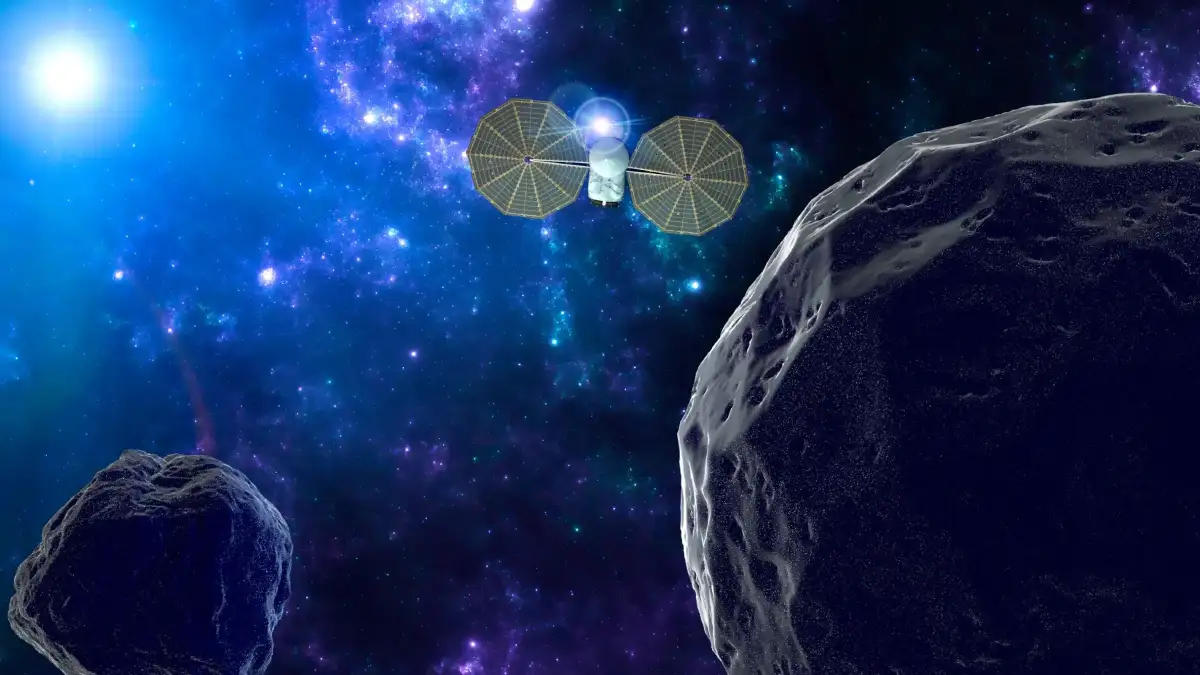
Four astronauts are currently journeying toward the Moon, having successfully propelled their Orion spacecraft out of Earth's gravitational pull. This maneuver, known as the translunar injection burn, occurred Thursday and propelled the crew on a specific path for their multi-day lunar excursion.
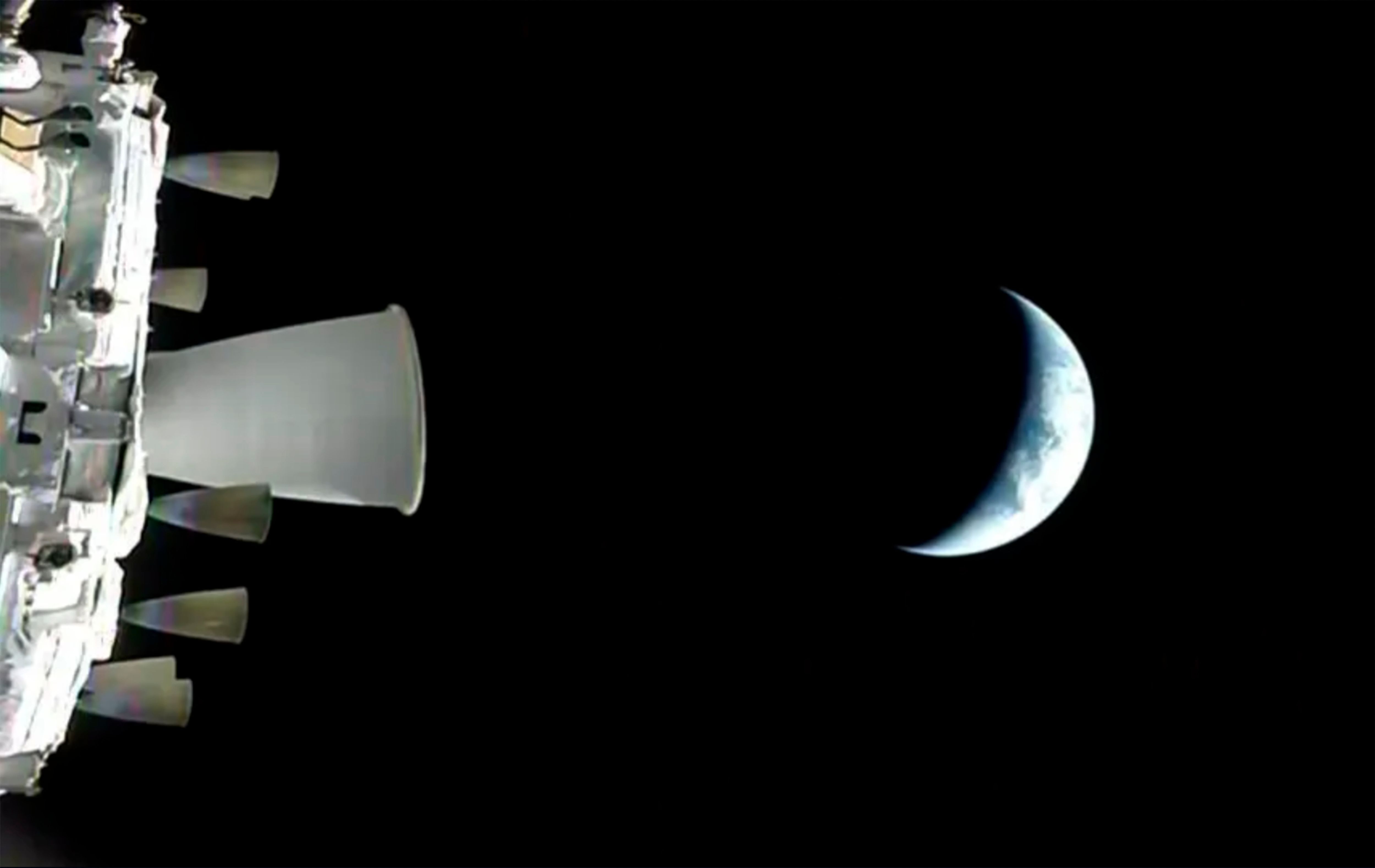
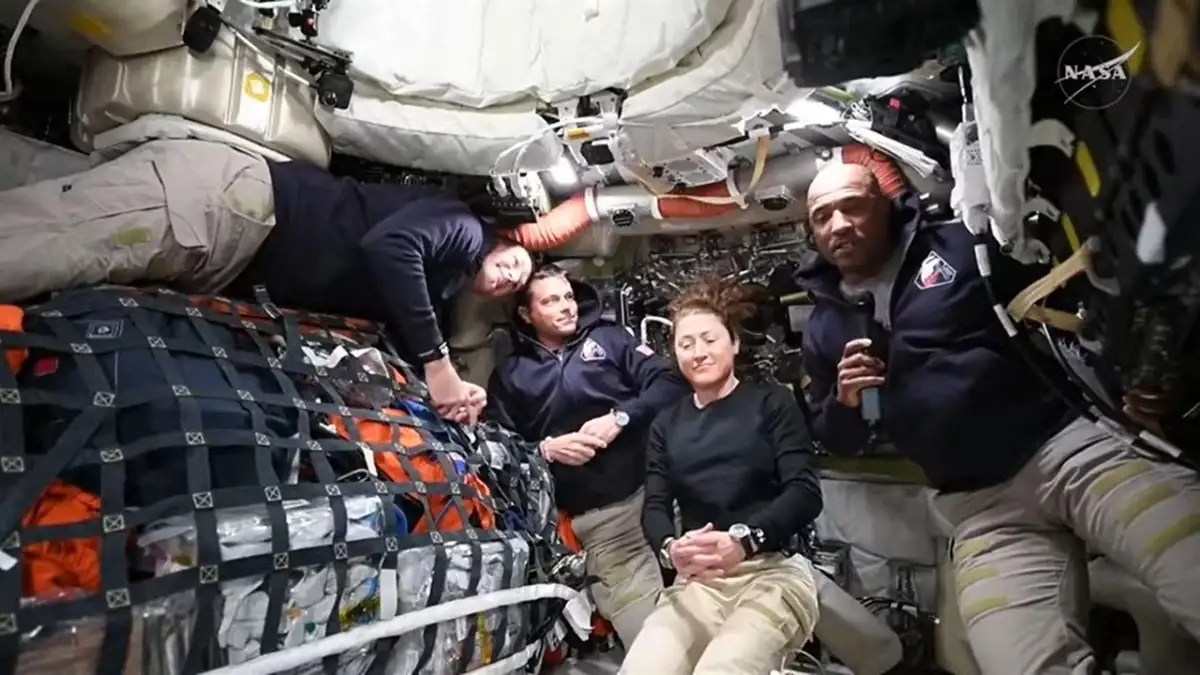
The Artemis II mission signifies the first time in over 50 years that humans have embarked on a flight path around the Moon. The crew, comprised of Reid Wiseman, Victor Glover, and Christina Koch from NASA, alongside Jeremy Hansen from the Canadian Space Agency, passed the 100,000-mile mark from Earth as they proceed. This journey also represents a historical step, carrying the first person of color, the first woman, and the first non-American on a mission to the vicinity of the Moon.
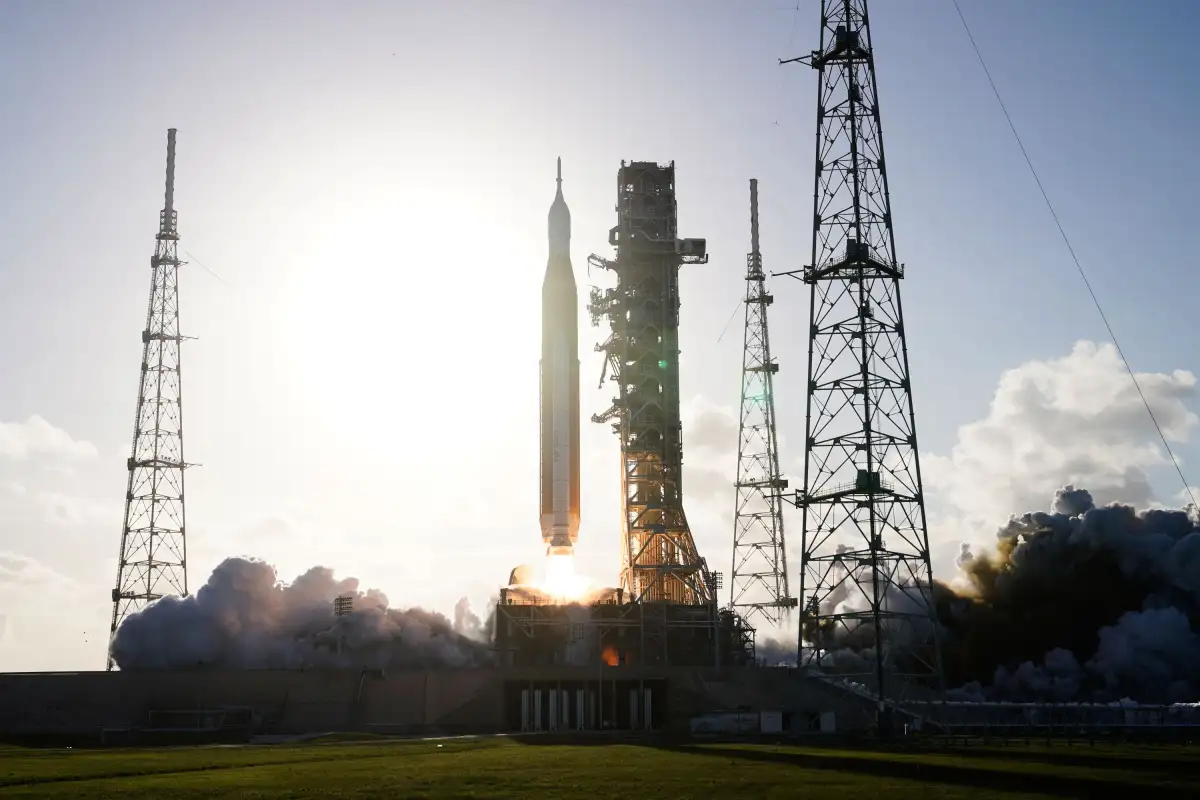
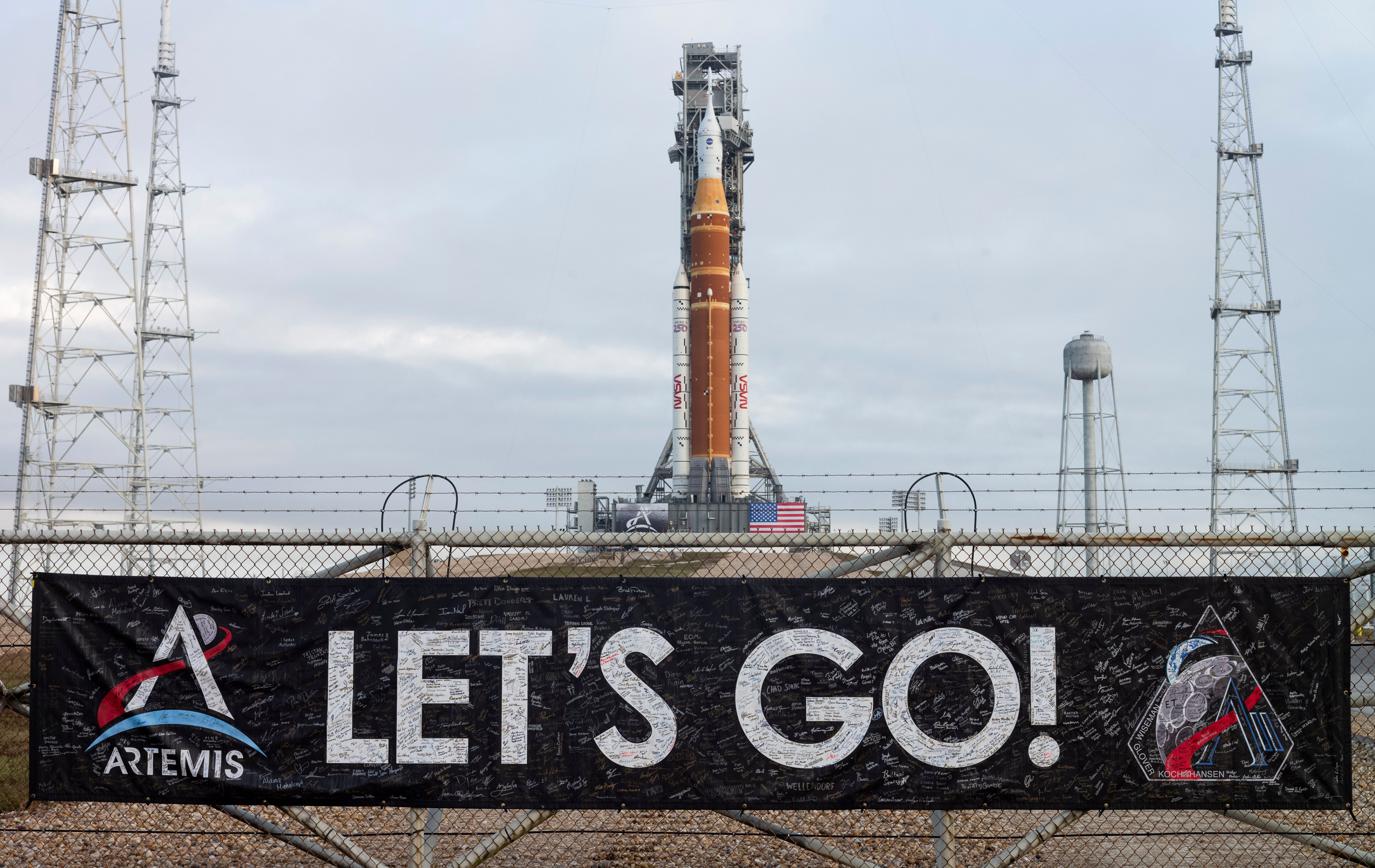
The mission, launched on April 1st from Kennedy Space Center in Florida aboard NASA's Space Launch System (SLS) rocket, is planned as a 10-day test flight. The Orion spacecraft has deployed its solar array wings, allowing for power generation.
Read More: US Space Force Victus Haze Mission Successfully Tests Orbital Intercepts
Initial Checks and Communications
Upon achieving space, the astronauts and ground control began a series of system checks for the Orion capsule, which is carrying humans for the first time. The crew has also engaged in communications, speaking with U.S. television networks.
A Near-Miss in the Departure Burn
Just before the critical translunar injection burn, the spacecraft registered a warning for a cabin pressurization leak. Ground controllers determined that the capsule's pressure and temperature remained stable, and the alarm did not alter the mission's trajectory.
Mission Overview
The Artemis II mission aims to fly around the Moon and return to Earth. While not a landing mission, it serves as a precursor to future lunar landings and the establishment of an American moon base. The SLS rocket, noted as the world's most powerful operational rocket, provided the initial thrust for the launch. The spacecraft is expected to reach its farthest point from Earth on April 6th.
Read More: New York Mets vs Atlanta Braves 7 April 2026 NL East game preview