


Urgent Software Deployment for Millions
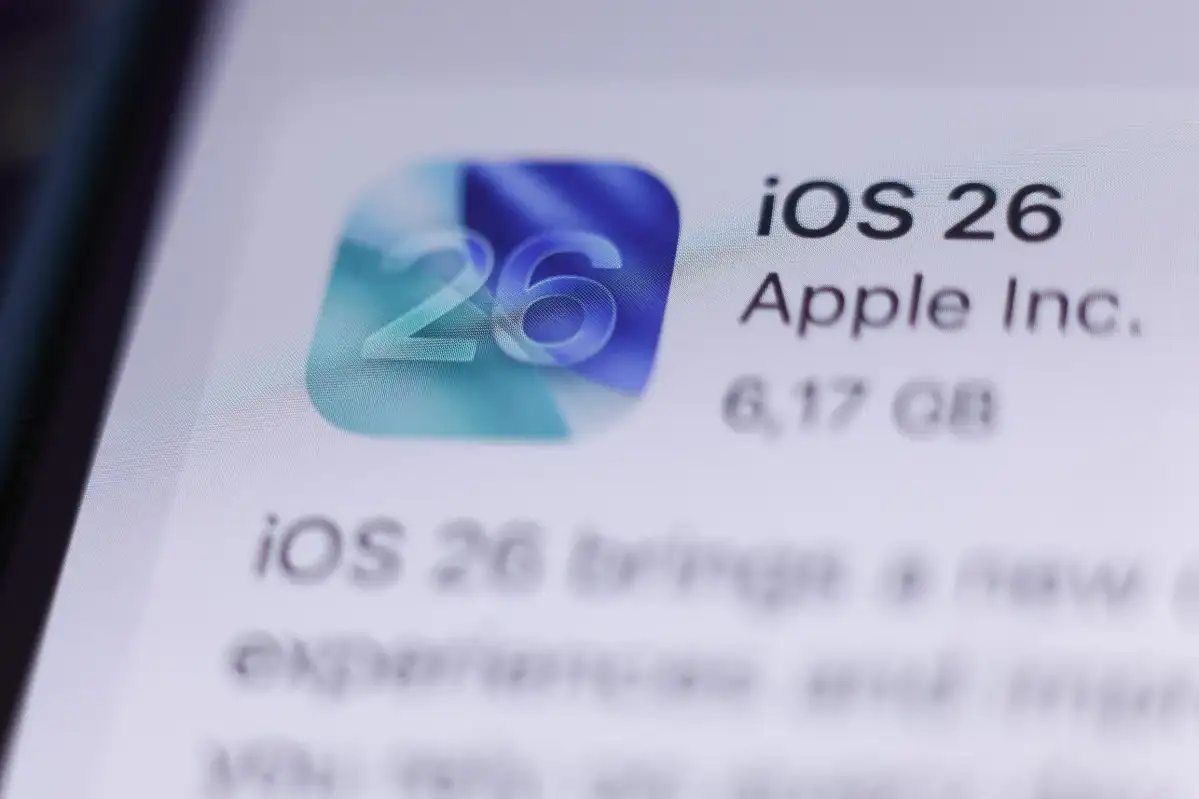
Apple has issued an emergency software update, iOS 18.7.7 and iPadOS 18.7.7, to a broad spectrum of its devices. This deployment aims to provide critical defenses against a cyberattack methodology designated as 'DarkSword.' The company has also begun displaying lock screen alerts for some users on older software versions, strongly advising immediate installation of available updates. This move to expand update availability, including to devices with automatic updates enabled, addresses what Apple terms 'web-based attacks.'

Cybersecurity firms, including Google's Threat Intelligence Group and Lookout, have previously identified the DarkSword toolkit as instrumental in attacks that have affected users in Saudi Arabia, Turkey, Malaysia, and Ukraine since July 2025. The exploit, according to these researchers, is capable of stealing sensitive data such as emails, usernames, passwords, photos, and even cryptocurrency wallets.
Wider Vulnerability and Device Impact
The scope of devices potentially impacted if left un-updated includes:
Read More: Chrome mimeHandler API lets extensions handle file types

iPhone 11 and later models.
iPad Pro (12.9-inch, 3rd generation and later).
iPad Pro (11-inch, 1st generation and later).
iPad Air (3rd generation and later).
iPad (8th generation and later).
iPad mini (5th generation and later).
OS Version Discrepancies and User Adoption
Apple is no longer providing security-only patches for those remaining on iOS 18. The fix is exclusively integrated into the newer iOS 26.2 and iPadOS 26.2. This necessitates a full operating system upgrade for protection, unless a device is incapable of running the latest version. Despite security warnings, reports suggest a significant portion of eligible users, potentially around 50 percent, have not yet migrated from iOS 18 to iOS 26.
Background on DarkSword and Market Dynamics
The DarkSword toolkit has been linked to exploits that leverage two previously undisclosed vulnerabilities. These exploits, described as 'web-based' and utilizing the 'WebKit' rendering engine – a component common to Safari and all other browsers on iOS – have been observed in the wild. The existence of such powerful hacking tools suggests, according to researchers, a robust and active market for malware. Apple's action, including a rare special update for older devices unable to handle a full iOS 26 upgrade, underscores the perceived threat. The company maintains that its newer operating systems offer more comprehensive security enhancements beyond individual patches.
Read More: Secret Service Promotions After Butler Attack Criticized by Congress





