INCONCLUSIVE FORENSICS CAST SHADOW OVER ROBINSON CASE
Federal firearms experts have been unable to conclusively match bullet fragments recovered from the killing of conservative activist Charlie Kirk to a rifle found at the scene. This ambiguity, detailed in court documents, has become a focal point for the defense team of Tyler Robinson, the 22-year-old accused of Kirk's murder. While prosecutors maintain there is substantial evidence against Robinson, including alleged text messages and confessions, the lack of a definitive ballistics match has fueled defense arguments and prolonged the legal proceedings. The defense is seeking to leverage this forensic uncertainty, alongside claims of incomplete evidence disclosure from law enforcement, to challenge the prosecution's case.

The uncertainty surrounding the bullet fragments means that while they cannot be definitively excluded as originating from Robinson's alleged rifle, they also cannot be definitively linked. This situation is not uncommon in ballistics analysis, according to experts, often due to insufficient detail on the fragments themselves. The defense is actively seeking delays in proceedings to meticulously review this extensive body of evidence, which reportedly includes tens of thousands of files.
Read More: Three Charged for Golders Green Ambulance Arson on March 23, 2026
**ALLEGED CONFESSIONS AND DNA EVIDENCE
Prosecutors assert they possess ample evidence to prove Robinson's guilt beyond a reasonable doubt, including alleged admissions made by Robinson to his father, which were subsequently relayed to authorities. Further complicating the forensic picture, multiple DNA profiles were reportedly found on various items of evidence, requiring intricate analysis to identify contributors. Despite this, prosecutors claim DNA consistent with Robinson's was found on the rifle's trigger, a fired cartridge casing, and two unfired cartridges.
**CONSPIRACY THEORIES AND IRANIAN INVOLVEMENT CLAIMS
The inconclusive ballistics report has also become fertile ground for wider speculation. An unsubstantiated claim from Joe Kent, a former government official, posits that Iran may have been involved in Kirk's death, framing it as an assassination orchestrated by international entities. This theory suggests the FBI’s investigation into such claims was prematurely halted. However, sources familiar with the FBI investigation have reportedly dismissed Kent's assertions as unsupported. Meanwhile, a viral conspiracy theory suggesting Kirk was killed by an "exploding pen mic" has been debunked, with video evidence showing a gunshot wound to his neck and a visible microphone attached to his shirt.
Read More: Trump Approval Drops With White Working Class Voters in New Polls
**THE CRIME AND LEGAL PROCEEDINGS
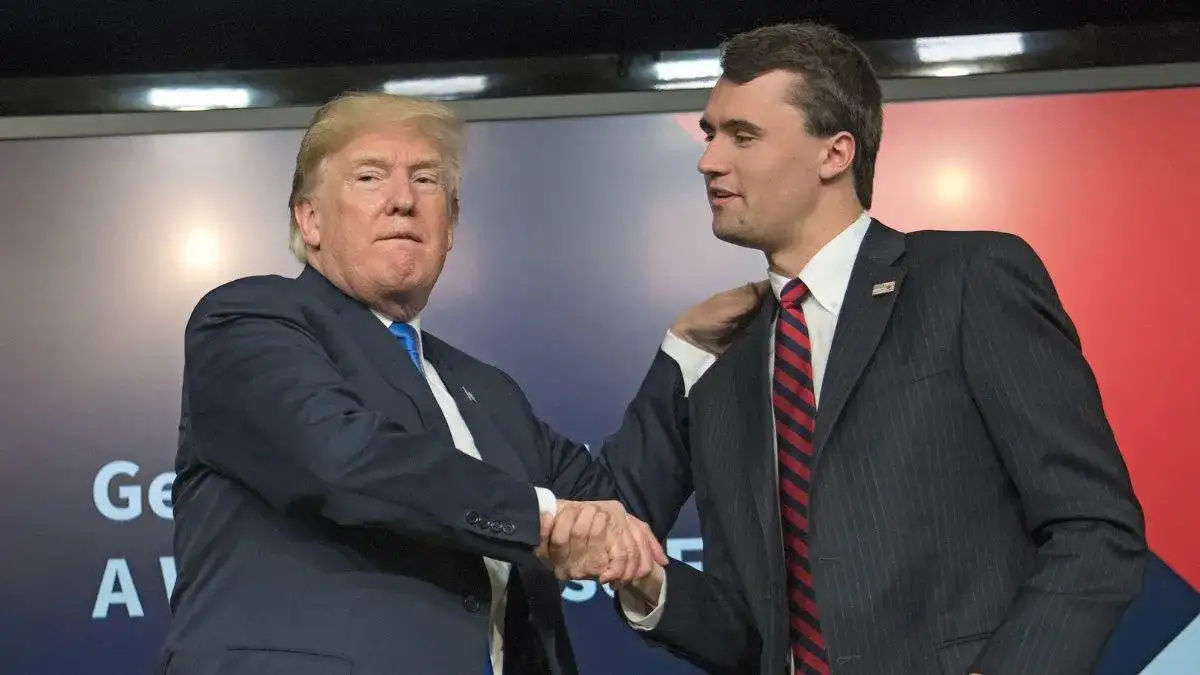
Charlie Kirk, 31, was shot and killed on September 10, 2025, at Utah Valley University in Orem, Utah. The incident, captured on video, occurred during a speaking event. Robinson, who is facing capital murder charges, could face the death penalty if convicted. His defense team has requested delays to the preliminary hearing, originally scheduled for May, to adequately examine the evidence. Robinson has not yet entered a plea. A hearing is scheduled for April 17 regarding a defense motion to ban cameras from the courtroom.
BACKGROUND
The death of Charlie Kirk occurred amid a period of heightened political polarization and documented instances of political violence in the United States. His assassination was preceded by a series of violent incidents, including shootings of lawmakers, the killing of embassy staff, arson attacks, and assassination attempts on prominent political figures. Kirk himself had previously spoken about the potential for political violence. His death led to widespread condemnation and significant media attention, with differing narratives emerging from various political factions regarding the perpetrators and the context of the killing.
Read More: Elderly Man Abducted in Sydney North-West, Police Search Glenorie Bushland