
Russian forces launched coordinated overnight assaults on Ukraine's energy and port infrastructure across several regions. The attacks, employing Iranian-designed Shahed-type drones, specifically targeted critical energy facilities and maritime assets, leading to widespread power outages and damage.
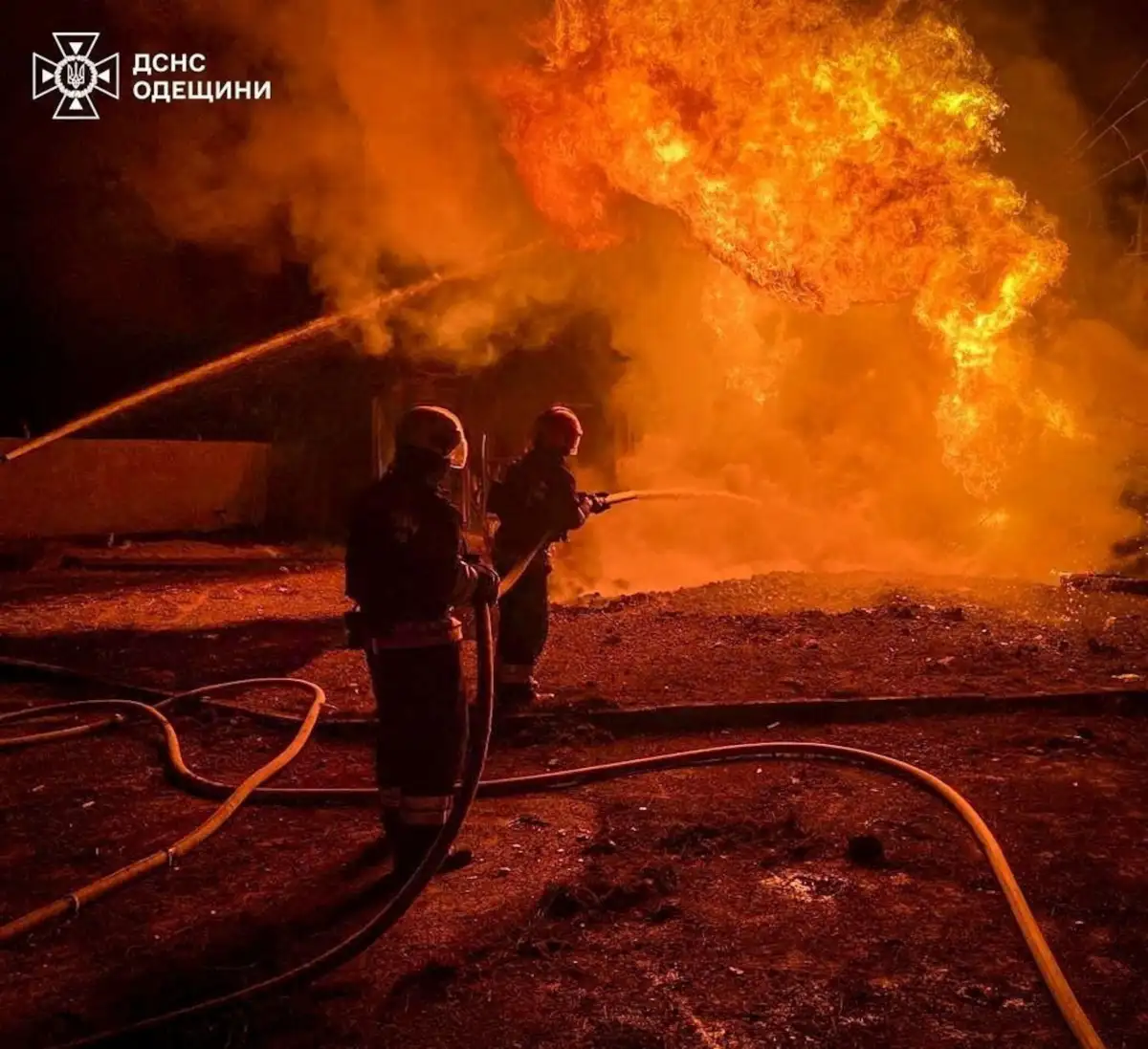
In the Odesa region, strikes impacted port and industrial infrastructure, with reports of a fire at the Pivdennyi port involving approximately 30 containers of flour and vegetable oil. The regional utility company, Chernihivoblenergo, confirmed that an energy facility in the Nizhyn district was struck, plunging 380,000 residents in cities like Chernihiv and Pryluky, as well as surrounding areas, into darkness. The Zaporizhzhia region also reported drone strikes hitting residential areas.
Human Cost and Collateral Damage
Previous reports indicate a human toll associated with these strikes. In one instance, two women and a toddler were killed in Odesa following a drone attack that heavily damaged an apartment block. Another attack in Kharkiv injured three people.
Read More: 22 Civilians Killed in Russian Missile Attack on April 7 2026
Pattern of Targeting Logistics and Energy
These recent actions align with a broader pattern of Russian military operations targeting Ukraine's logistics and energy sectors. Deputy Prime Minister for Reconstruction, Oleksiy Kuleba, has previously stated that railway and port facilities have been repeatedly attacked. The destruction of a traction substation in the Chernihiv region, followed by a UAV strike on restoration work at the site, highlights a tactic of disrupting repair efforts. Reports also mention strikes on four DTEK facilities in Odesa Oblast, impacting power to thousands of homes.
Strategic Implications and Context
Ukrainian officials have characterized these strikes as attempts to limit Ukraine's access to the Black Sea and disrupt critical logistics routes. Moscow has been intensifying strikes against critical infrastructure, particularly energy targets, coinciding with adverse weather conditions. Ukraine's President Volodymyr Zelenskyy has spoken of efforts to bolster energy grids and enhance air defenses in cooperation with Western partners.
Read More: Solaris Energy SEI Stock Price Forecast Reaches $91.98 by July 2027