

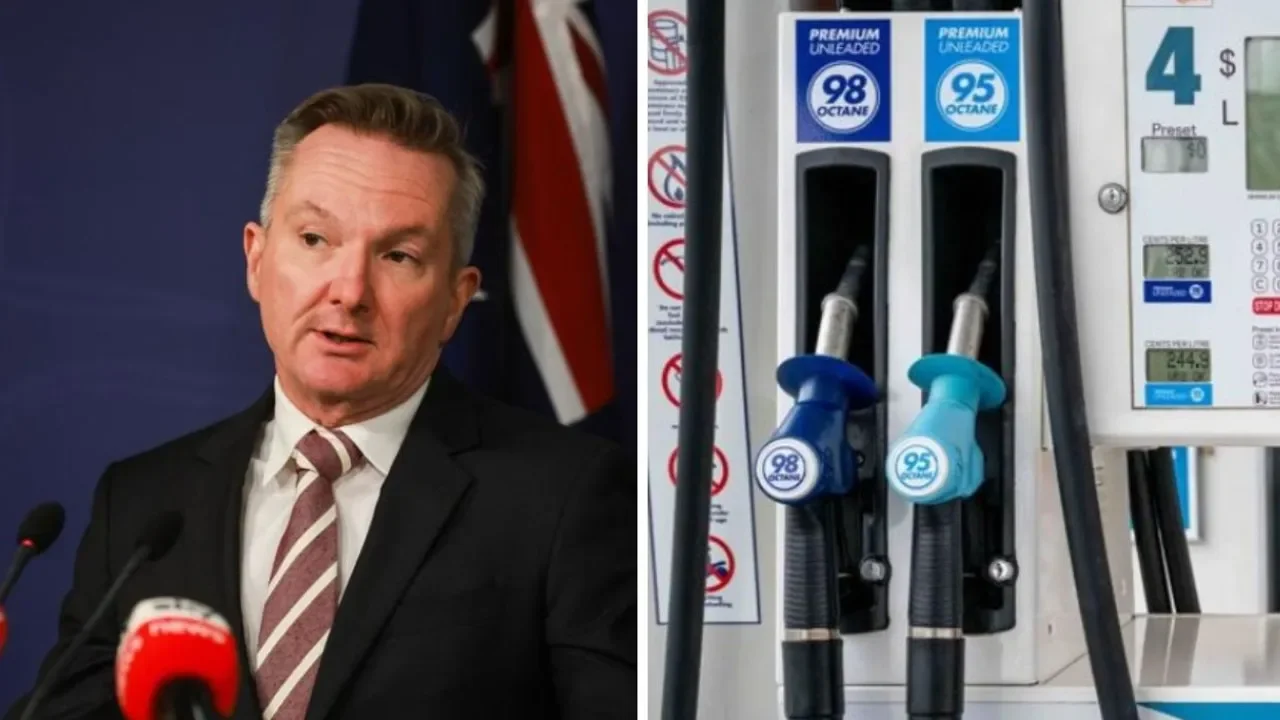
Canberra, Australia – 18/04/2026 – In a move designed to shore up dwindling fuel supplies, the Australian government has enacted temporary measures to relax fuel quality standards. This strategic adjustment, initially slated for two months but now extended, permits higher sulphur content in petrol, allowing for the incorporation of fuel previously destined for export or deemed outside existing specifications. The aim is to inject an estimated 100 million litres of fuel into the domestic market, a response to growing anxieties about supply chain disruptions stemming from prolonged international conflict.
The policy, announced on March 12, 2026, by Energy Minister Chris Bowen, initially allowed for a 60-day period of relaxed standards. However, a recent, and somewhat unexpected, announcement has pushed this extension further. The Minister revealed on April 16, 2026 (just two days ago), that the higher sulphur allowance will now continue until the end of September, with a further period where such fuel can be blended at a reduced rate until December 31, 2026. This signifies a cautious approach to an unfolding global energy situation.
Read More: Geelong Refinery Fire Cuts Petrol Output by 40%
The rationale behind these changes is tied directly to the ongoing international conflict in the Middle East, which has demonstrably impacted global fuel prices and availability. Prime Minister Anthony Albanese has acknowledged these pressures, warning that an extended conflict would inevitably have consequences for Australia. Concerns have been voiced about the nation's current fuel reserves, which stood at approximately 36 days' worth of petrol, 29 days' worth of jet fuel, and 32 days' worth of diesel at the time of the initial announcement.
This decision also involves practical considerations for distribution. Ampol, a distributor, has reportedly agreed to prioritise the supply of this adjusted fuel to regional towns, particularly in Queensland, where shortages have been more pronounced. The government's broader strategy includes legislation to underwrite additional fuel cargoes and maintain strategic reserves, as well as discussions with international partners, such as Singapore and Japan, to strengthen energy security.
Read More: Australia Capital Gains Tax Changes for Investment Properties 2026
Context and Chronology
The current relaxation of fuel standards comes after Australia had tightened its fuel quality regulations just three months prior, in December 2025. The previous tightening had set sulphur limits for unleaded petrol at 10 parts per million (ppm), a figure now temporarily increased to 50ppm. This current adjustment, therefore, represents a pragmatic pivot in response to immediate global market realities.
Concerns about potential shortages have already manifested, with motorists experiencing significant price increases for diesel, as much as 70 cents per litre, since the escalation of conflict on February 28, 2026. These price hikes, coupled with fears of scarcity, led to a surge in demand at regional service stations, depleting stocks in some areas. The government has also indicated measures to monitor fuel retailers for potential price gouging during this period.
The relaxation of these standards means that fuel which might not have met previous specifications can now be brought into the Australian supply chain. While the immediate goal is to bolster supply and potentially ease pressure at the pump, the long-term implications for vehicle emissions and infrastructure, particularly concerning the higher sulphur content, remain a subject of ongoing discussion and technical assessment. Resources Minister Madeleine King is also engaged in international dialogue regarding fuel supply and demand issues at forums like the Indo-Pacific Energy Security Forum.
Read More: Geelong refinery fire: PM returns, fuel supply at 60%


