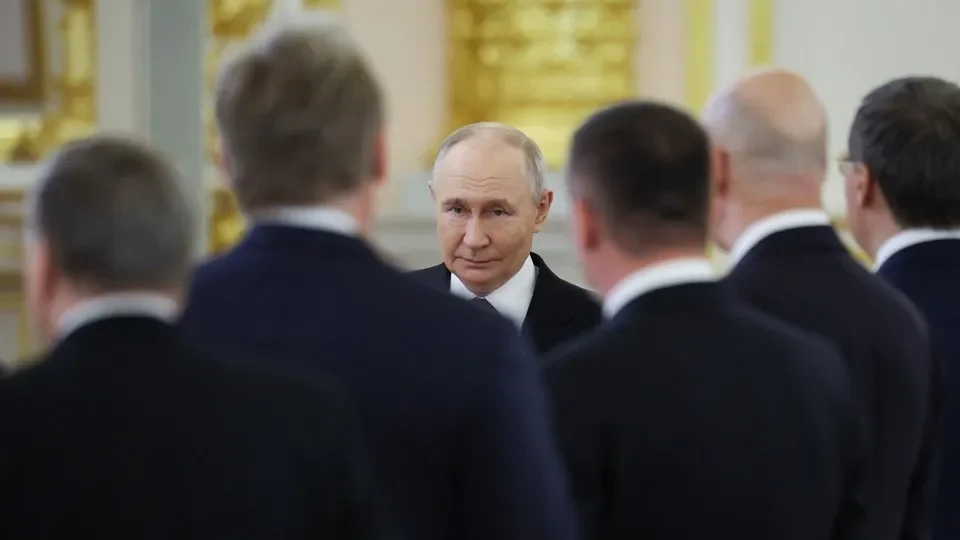
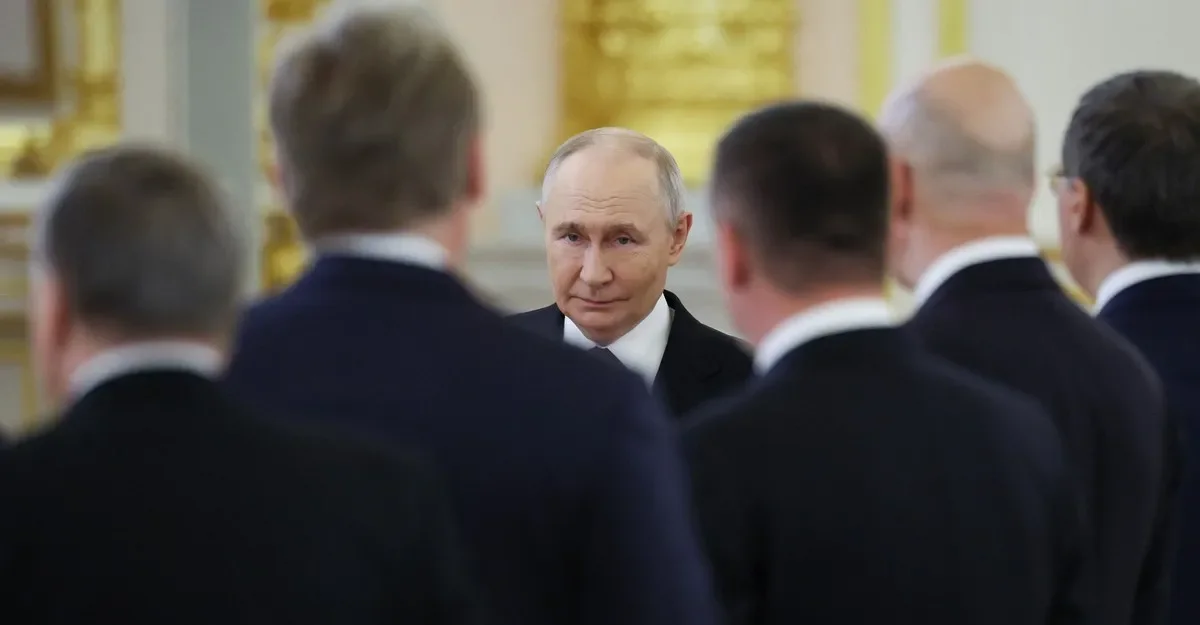
Moscow, Russia - Russian President Vladimir Putin declared Sunday that the nation's air defense capabilities would be significantly strengthened. This pledge comes in the wake of recent Ukrainian drone incursions that reached St. Petersburg, a city previously considered largely insulated from the conflict's direct reach.
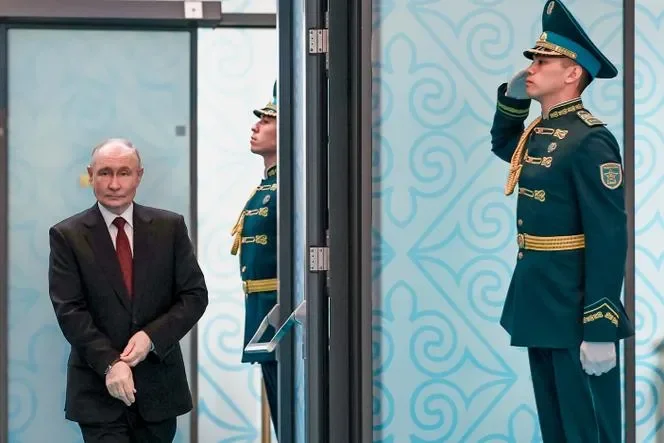
The attacks, targeting Russia's second-largest city, have exposed vulnerabilities in the nation's defenses, prompting a stated commitment from Putin to bolster air defense systems. Details on the specific nature or timeline of these enhancements remain vague, mirroring a pattern of pronouncements that often precede or follow perceived setbacks.
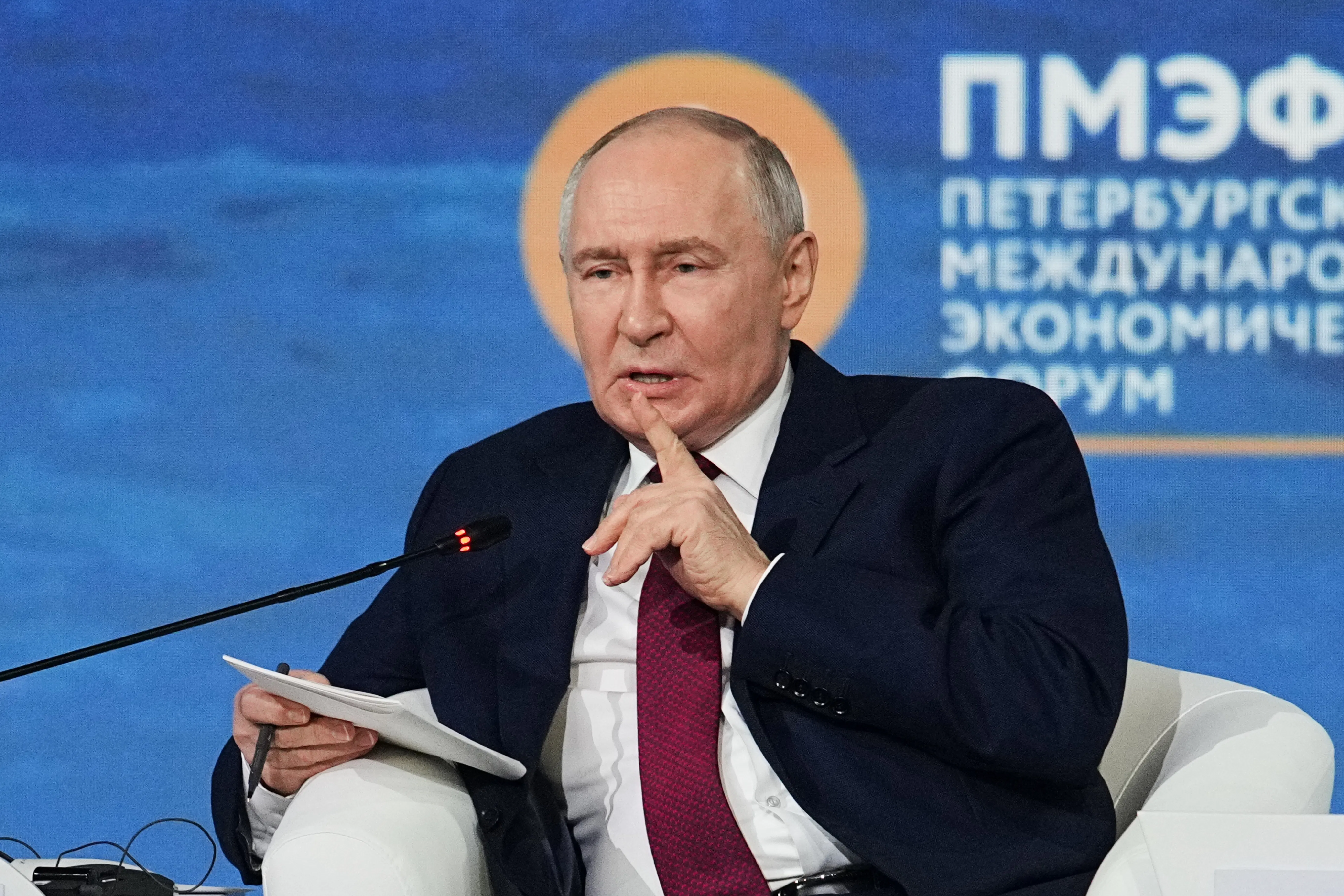
Putin's remarks, made on the sidelines of a forum typically used to project economic stability, also addressed Ukrainian President Volodymyr Zelenskyy's calls for direct talks. Putin reiterated his stance that face-to-face discussions are unproductive without a concrete agreement to sign, suggesting a lack of immediate willingness to engage on Zelenskyy's terms for a ceasefire. He reportedly dismissed claims of a struggling Russian economy as an "exaggeration."
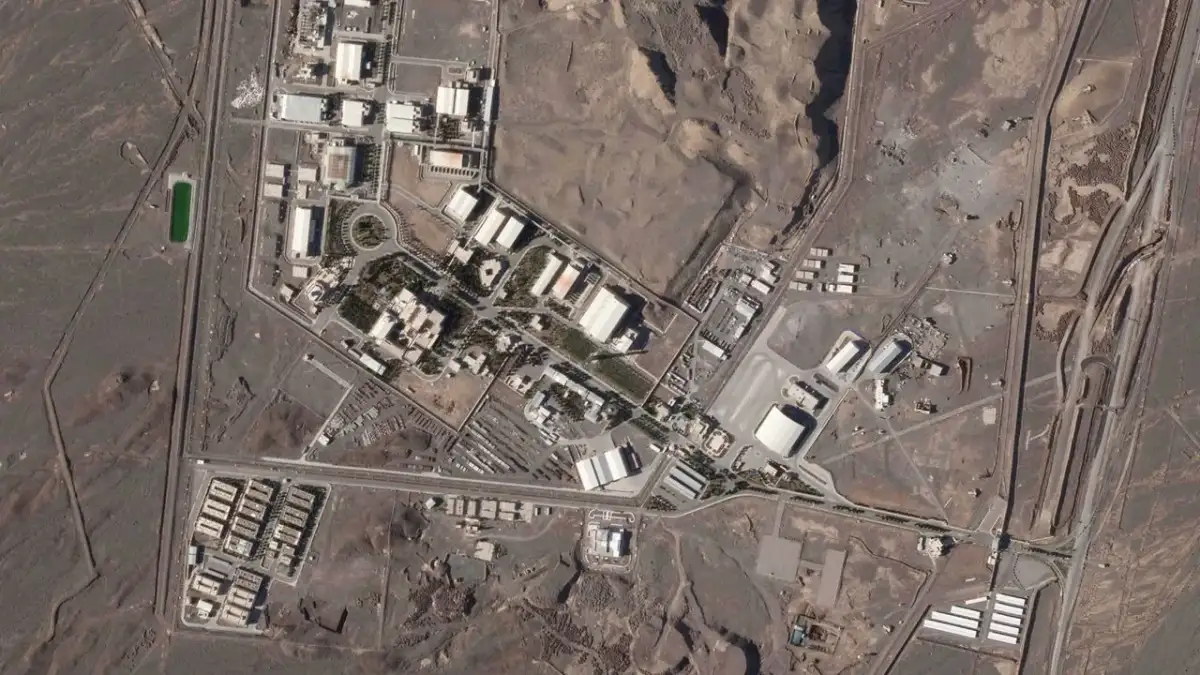
Read More: Iran Zagros Mountain Nuclear Site Construction Update April 2026
Escalating Drone Capabilities
Recent months have seen an uptick in Ukrainian drone strikes not only on Moscow but also on critical infrastructure across Russia. Kyiv has reportedly begun mass-producing medium-range drones capable of striking targets up to 200 kilometers away, operating in conjunction with a US-based firm, Swift Beat LLC. These drones, described as 'undetectable' and integrated with systems like Starlink, have targeted logistical routes, including the "New Russia" highways that facilitate military movements through occupied Ukrainian territories.
Shifting Domestic and International Perceptions
The repeated strikes, including those on defense industry sites, refineries, and port facilities, coincide with a period of apparent unease within Russia. Sources suggest a growing disillusionment among segments of the population and even within circles previously supportive of Putin. Some commentators, even those aligned with hawkish viewpoints, are reportedly questioning the war's trajectory and efficacy, with notions of it being a "dead end" beginning to surface.
Read More: Moscow Airspace Closed Today Due to Security Fears
This internal discourse, coupled with external pressures, fuels speculation about Putin's strategic calculus. Analysts note that while Putin has previously rebuffed overtures for immediate meetings, his statements on the St. Petersburg attacks indicate a reactive stance to perceived vulnerabilities. The lack of a clear path to achieving stated war objectives, alongside domestic discontent, presents a complex challenge for the Russian leadership.
Context of St. Petersburg
St. Petersburg, Putin's birthplace, holds significant symbolic and political importance. Drone strikes reaching this metropolis represent a psychological blow, underscoring the widening reach of the conflict beyond its initial theaters. The city has also been a venue for showcasing Russia's economic potential, a narrative now challenged by the incursions.
The Russian president's pronouncements on air defense follow a pattern of responding to direct challenges, whether military or diplomatic. His refusal to engage in immediate negotiations with Zelenskyy, emphasizing a need for a signed accord, suggests a strategic calculation focused on achieving pre-defined outcomes, however distant they may appear. The reference to Iran, seeking a deal for lasting peace, offers a glimpse into broader diplomatic considerations.' Vladimir Putin air defense Ukraine drones St Petersburg '' Volodymyr Zelenskyy negotiations ceasefire '' Russian economy drone attacks Swift Beat LLC '
Read More: 40 Die in Quetta to Peshawar Bus Crash in Balochistan on April 3 2026