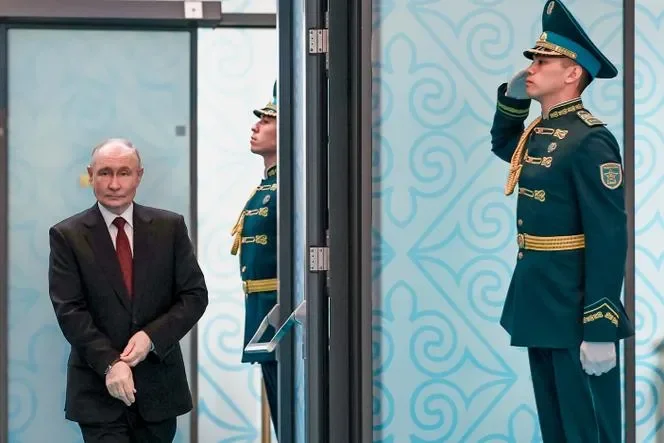
As of May 22, 2026, the architecture of international nuclear arms control is nearing a definitive break. Official statements from Moscow indicate that Russia is preparing for the potential resumption of comprehensive nuclear weapons testing at the Novaya Zemlya site, citing reactive pressure from the United States.
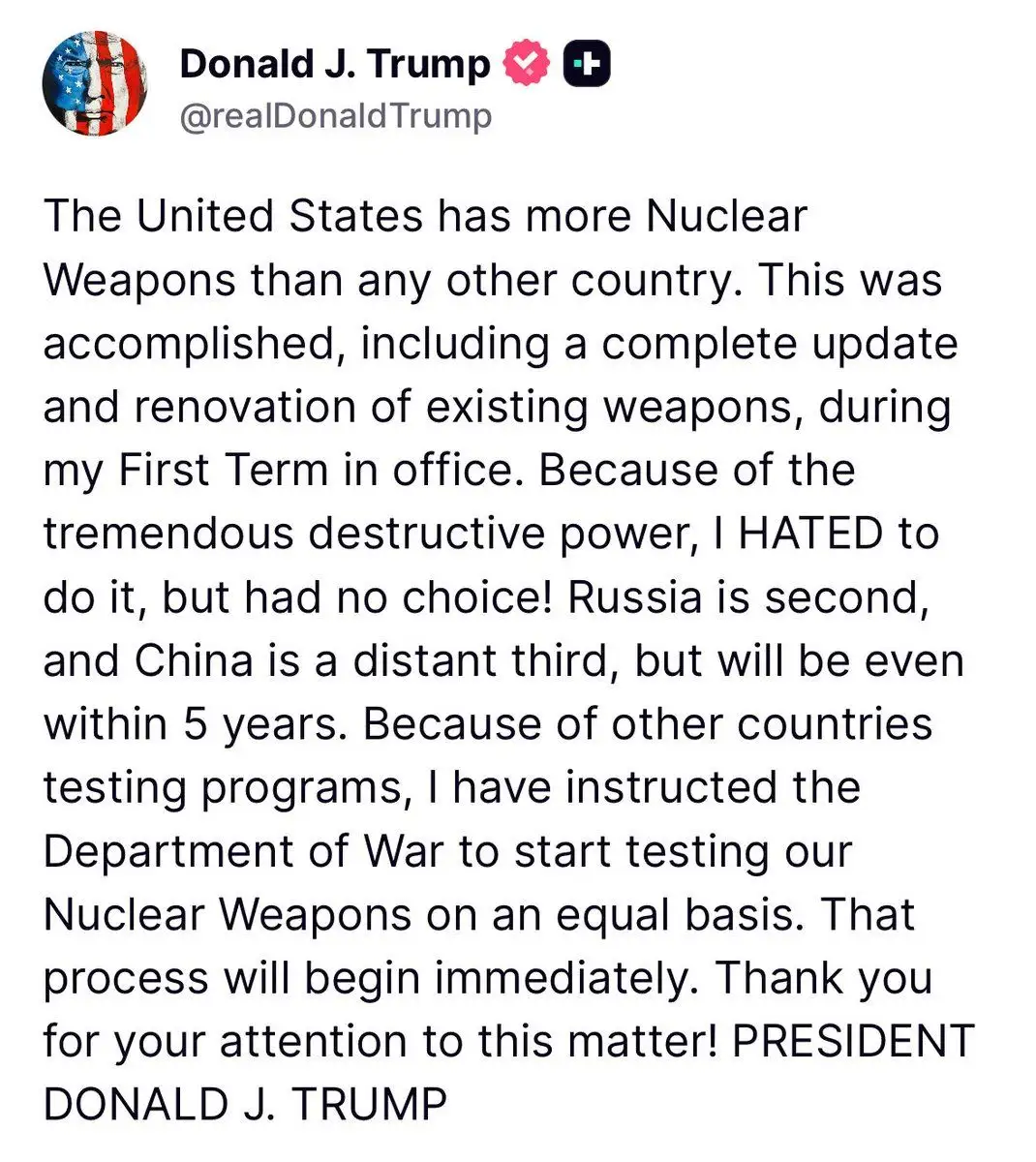
The collapse of the New START treaty framework and the subsequent failure to establish a successor pact have left the world’s two largest nuclear powers in a state of high-stakes posturing, where technical preparation for detonation is now being used as a primary instrument of statecraft.
| Factor | Status | Implication |
|---|---|---|
| New START | Expired / Non-functional | No legal mechanism for inspections |
| Nuclear Testing | Active Preparation | Direct violation of post-Cold War norms |
| Global Rhetoric | Volatile | Normalization of nuclear threats |
Official Posture: Russian Foreign Minister Sergey Lavrov and Chief of the General Staff Valery Gerasimov have linked any Russian test activity to prior US actions. The Kremlin maintains that its interest in resuming non-proliferation talks exists alongside the practical readiness to escalate.
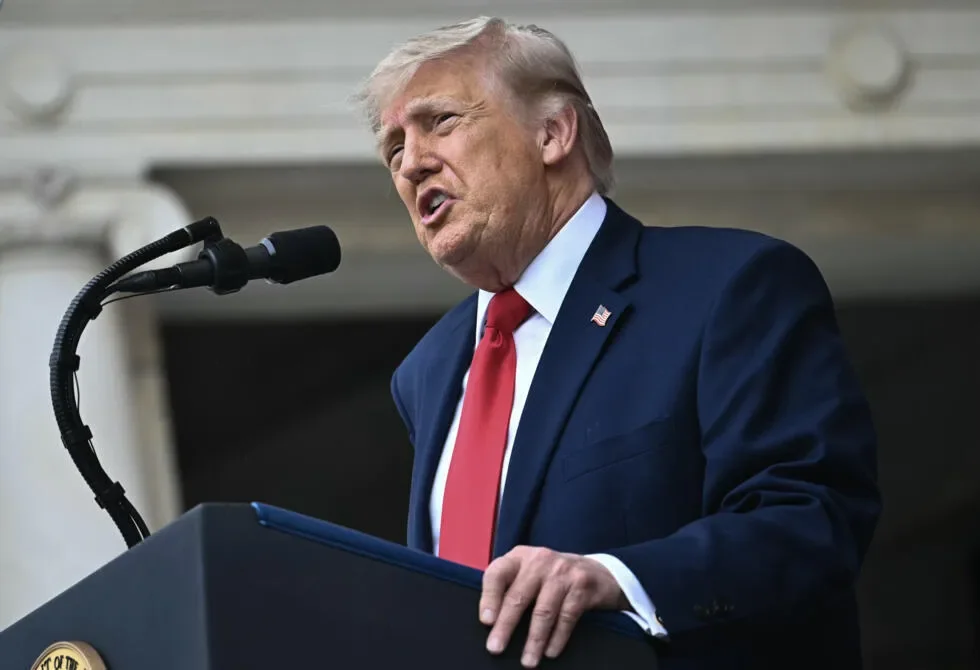
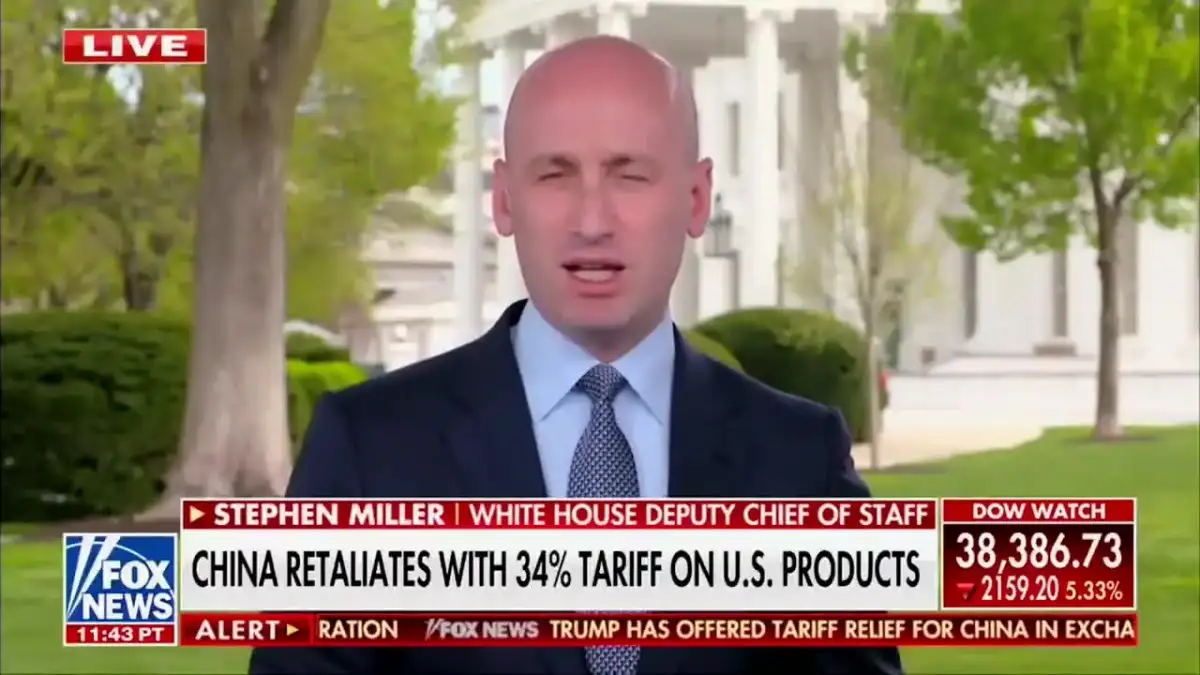
US Policy Shifts: Under the current Donald Trump administration, the U.S. Department of Defense has undergone a structural rebranding, colloquially shifting focus toward the Department of War. Trump has dismissed previous non-proliferation agreements as "poorly negotiated" and has emphasized a mandate for national defense over the preservation of existing treaty architectures.
Multi-Polar Risk: The threat environment is no longer binary. Russia has identified Pakistan, North Korea, and China as concurrent actors in the nuclear testing sphere, framing its own potential tests as a necessary evolution to ensure survival in an asymmetrical security landscape.
The Mechanics of Surveillance and Conflict Tracking
The current escalation is occurring within an environment defined by pervasive, real-time Conflict Tracking platforms. These systems, designed to classify and severity-score kinetic events, provide a digital record of the intensifying rhetoric. The ease with which observers now track the global War Map—moving from individual incident logs to aggregated global threads—has altered the speed of public perception, creating a feedback loop where diplomatic threats are immediately met with digital analytical responses.
Read More: Iran Warns Gulf States After U.S. Naval Clash
Background: From Non-Proliferation to Post-Treaty Volatility
The breakdown of the New START framework marks the end of a decades-long effort to codify the containment of atomic arsenals. The treaty, once the cornerstone of US-Russia strategic stability, relied on mutual transparency and on-site verification. As those mechanisms withered, the void was filled by the re-militarization of testing protocols.
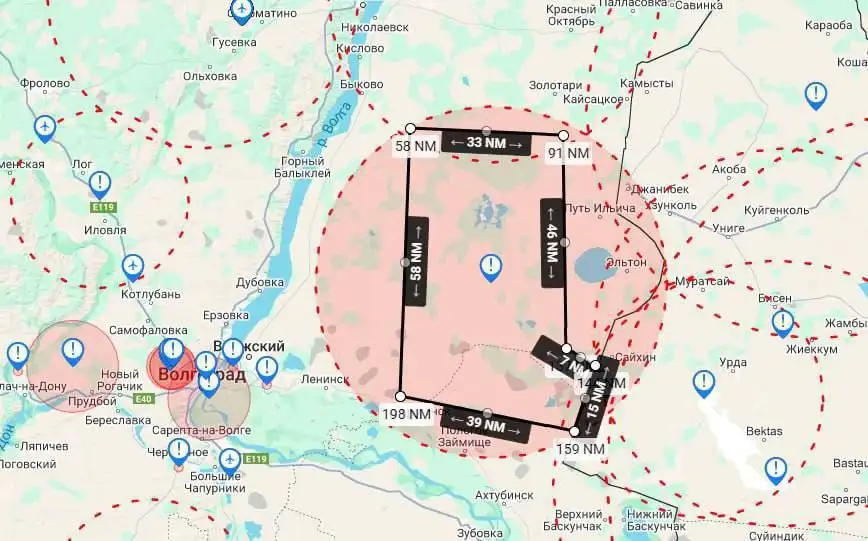
Current intelligence suggests the move is not merely a symbolic diplomatic threat but a functional shift in defense doctrine. By transitioning the military bureaucracy into an active framework of 'War,' the administration in Washington is moving away from the liberal-democratic expectation of gradual de-escalation, choosing instead to challenge the existence of existing treaties entirely. Whether this represents a strategic pivot toward a new, enforceable treaty or an uncontrolled descent into nuclear re-armament remains the central, unresolved question of the current geopolitical era.
Read More: Putin Promises Stronger Air Defense After St. Petersburg Drone Attacks