
Paul Tudor Jones, a figure long associated with active, rapid-fire trading, has publicly expressed a significant re-evaluation of his prior skepticism toward Warren Buffett's long-term, value-oriented approach. Jones, who once characterized Buffett's methods critically, now acknowledges what he terms Buffett's mastery of "compound interest," going as far as to label him the "OG of Compounding." This shift in perspective appears to stem from a deeper understanding, prompted by recent analyses of Buffett's historical performance, which Jones now views as a form of genius in sustained wealth accumulation. Jones’s newfound respect highlights a fundamental difference between short-term market maneuvering and long-duration investment strategies.
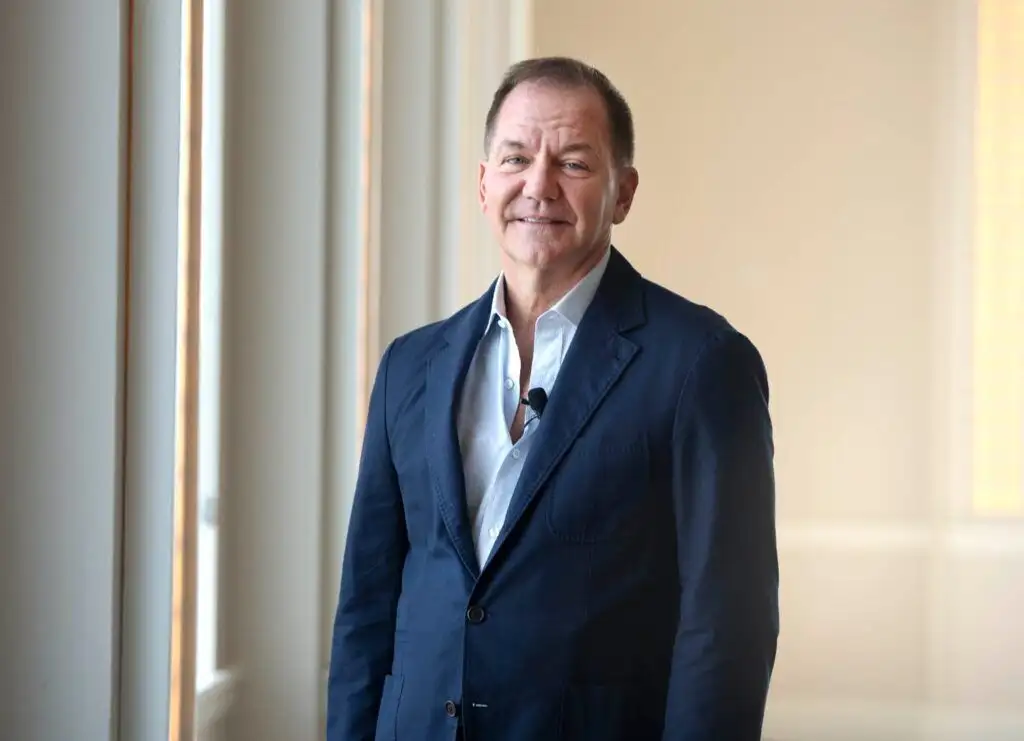
Jones has also credited the late Charlie Munger with elevating Buffett's foundational financial acumen. The legendary macro trader's admissions, delivered roughly a week ago, follow decades where his own fortune was built on what he describes as "highly active, hyper-vigilant trading." This personal recalibration suggests that even seasoned market participants can evolve their understanding of wealth creation paradigms.
Read More: Solaris Energy SEI Stock Price Forecast Reaches $91.98 by July 2027
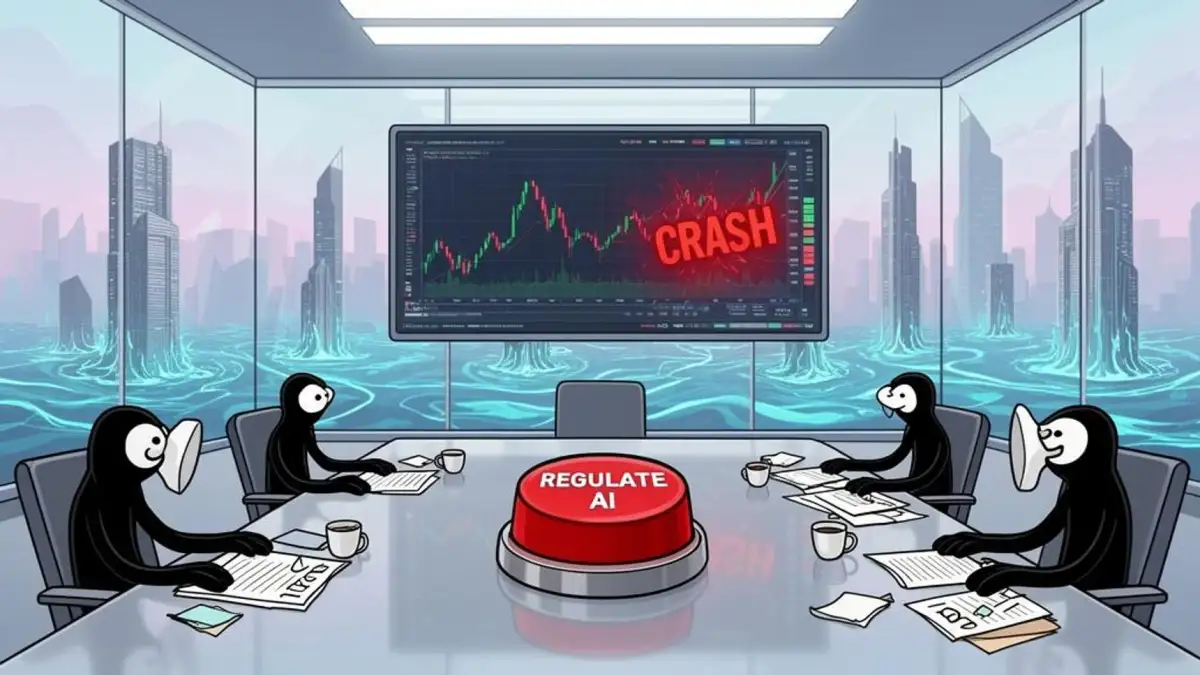
Market Valuation Concerns Surface
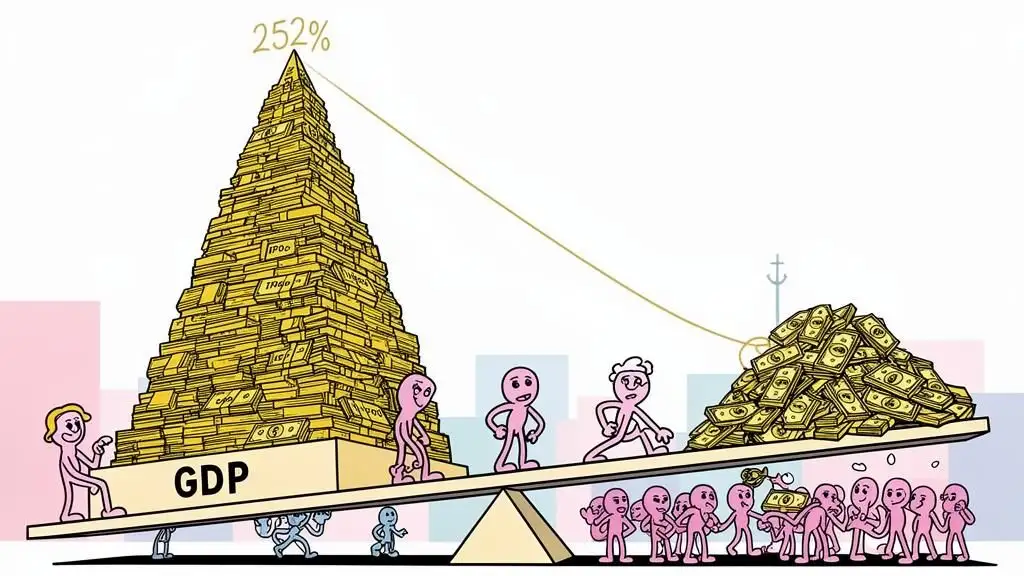
Beyond his reflections on Buffett, Jones has also voiced substantial unease regarding current market conditions. He points to the US stock market capitalization standing at 252% of Gross Domestic Product (GDP), a figure he contrasts sharply with historical benchmarks like 65% in 1929 and 170% in 2000. This elevated valuation, Jones contends, creates a scenario ripe for significant downturns, potentially near 35%. He attributes such risks to structural vulnerabilities and the pervasive use of leverage, particularly through derivatives, noting that most major market collapses share this common root. Jones is not predicting an immediate collapse but rather flagging these as compounding structural weaknesses.
Broader Reflections on Life and Risk
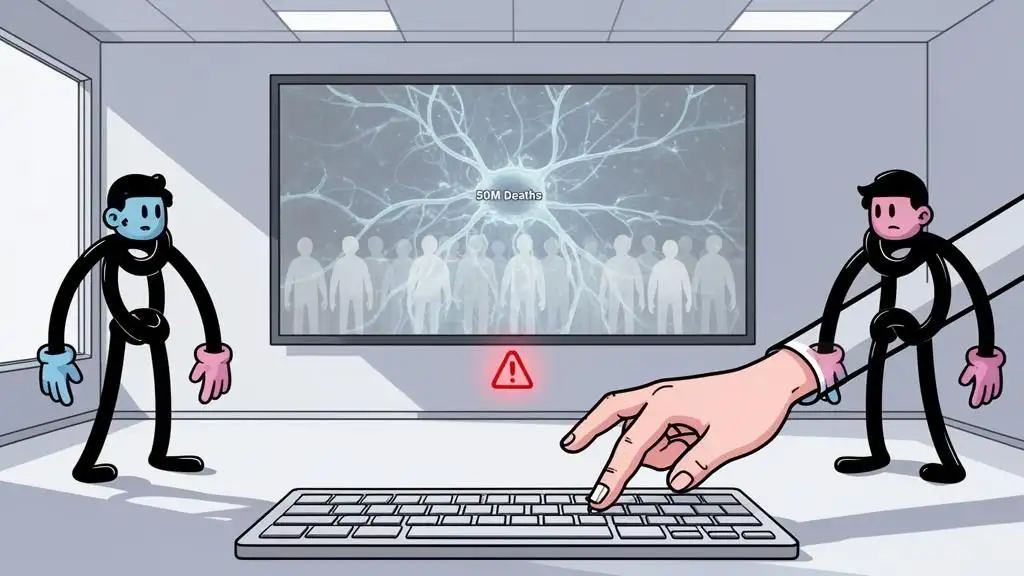
In recent discussions, including a podcast appearance about five days ago, Jones broadened his commentary to include significant concerns about Artificial Intelligence (AI). He frames AI not just as a technological trend but as a potential systemic risk, lamenting the absence of robust governance structures. Jones suggests that meaningful AI regulation might only materialize after substantial human cost, stating it will wait until "50 or 100 million people die."
Read More: CA's Rs 8 Crore Land vs Stocks: Two Year Results
His perspective on a fulfilling life also underwent a significant transformation. After a 50-year career in markets, Jones indicated that his ultimate reflections would center on relationships and acts of service rather than trading victories or market crashes. He recounted a deeply impactful childhood experience of being lost in a market and aided by a stranger, which later inspired decades of philanthropic work. This personal narrative underscores his evolving emphasis on legacy defined by deeds and kindness, rather than solely by financial prowess.
Trading Philosophy: Defense and Discipline
Throughout his career, Jones has cultivated a distinct trading philosophy. Key tenets include a paramount focus on risk management, emphasizing the protection of capital above all else. He advocates for adjusting trading volume based on performance – decreasing it when performing poorly and increasing it when performing well. Jones also stresses the importance of emotional control and strategic flexibility, recognizing that success in trading requires understanding market psychology and being prepared to adapt to changing conditions. His approach, honed over decades in markets, is characterized by bold moves but always underpinned by a disciplined approach to risk and a keen awareness of potential market reversals.
Read More: Rocket Companies brand update in April 2026 changes logos and names