

Strait of Hormuz Mission Declared Separate from Iran War
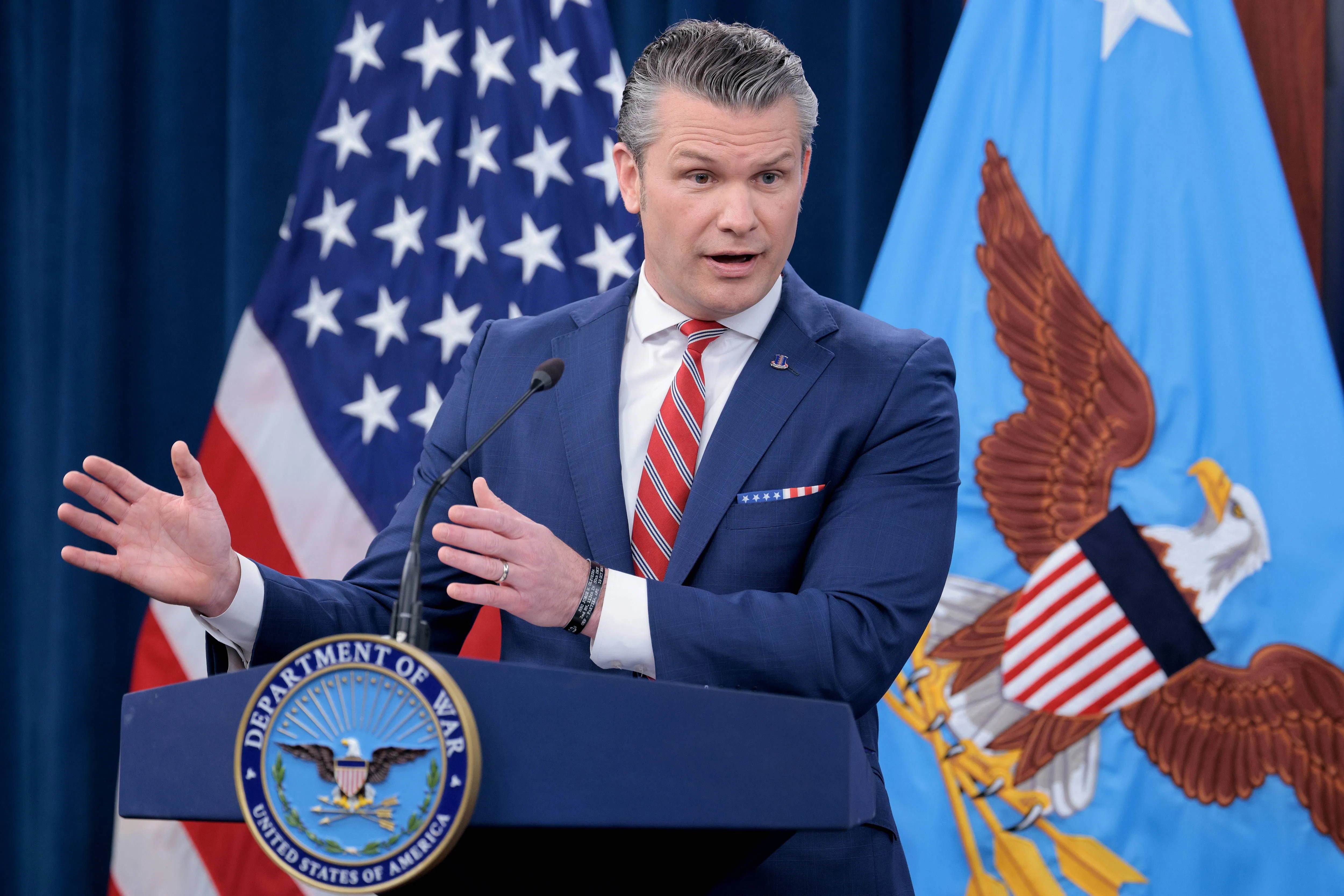
Defense Secretary Pete Hegseth stated on Tuesday, May 5th, that the U.S. military's new maritime security operation, "Project Freedom," is a distinct and temporary mission focused solely on safeguarding commercial shipping through the Strait of Hormuz. This initiative, launched on Sunday, May 3rd, under presidential orders, is intended to ensure the safe passage of international commercial vessels. Hegseth emphasized that the operation is "defensive in nature, focused in scope, and temporary in duration," with the singular objective of protecting innocent commercial shipping from Iranian aggression. He explicitly rejected comparisons between this effort and past U.S. military operations in the Middle East that evolved into protracted occupations.

The U.S. military reported destroying six Iranian boats that attempted to interfere with commercial vessels guided through the Strait of Hormuz on Monday, May 4th. The U.S. and Iran had agreed to a ceasefire on April 8th, but Iran has since attacked commercial vessels nine times and seized two container ships, while also engaging with U.S. forces more than ten times. Despite these incidents, U.S. officials, including Hegseth and Commander of U.S. Central Command Brad Cooper, maintain that the ceasefire is still holding, as these actions have not yet reached the threshold for restarting major combat operations.
Read More: US and Iran Ceasefire Holds Amid Strait of Hormuz Naval Activity

"Project Freedom" vs. "Operation Epic Fury"
Hegseth clarified that "Project Freedom" is "separate and distinct from 'Operation Epic Fury'," the broader U.S.-Iran military confrontation that commenced with joint U.S.-Israeli strikes on Iran in late February. This distinction aims to underscore the limited and defensive nature of the current operation.

Ceasefire Under Strain
The ongoing actions in the Strait of Hormuz pose a significant test to the fragile ceasefire established between the U.S. and Iran. Iran has warned that U.S. forces will be targeted if they enter the strait. Meanwhile, U.S. officials, including Secretary of State Marco Rubio, have stated that "Operation Epic Fury against Iran 'is over.'" President Donald Trump announced that the U.S. would assist in guiding vessels through the strait, warning that any interference would be met with force.
Read More: Trump Stops Strait of Hormuz Ship Escorts Due to Iran Peace Talks

Background: The Strait of Hormuz and Iran Conflict
The Strait of Hormuz remains one of the world's most critical oil shipping routes, with approximately one-fifth of the world's oil and liquefied natural gas transiting through it during peacetime. Prior to the U.S.-Israeli attacks on Iran in February, an estimated 130 ships crossed the passage daily. Iran effectively closed the waterway more than two months ago in retaliation for the earlier strikes. The U.S. Navy has since maintained a blockade of Iranian ports, significantly limiting Iran's ability to export oil.
Discussions regarding the potential use of unconventional weapons by Iran, including the widely reported and subsequently denied notion of "kamikaze dolphins," have added a peculiar dimension to the ongoing tensions. While acknowledging that marine mammals have a history of military use, Hegseth dismissed claims of Iran possessing such capabilities. The conflict has also drawn attention from international players, with Secretary of State Rubio reportedly discussing Iran with his Russian counterpart.
Read More: US pauses Strait of Hormuz escorts amid Iran tensions

