The pursuit of silver as an investment splits into a dichotomy: direct ownership versus indirect exposure. Investors looking for an entanglement with the metal itself confront the tangible considerations of physical silver, while others opt for proxies that promise convenience but eschew the actual metal.
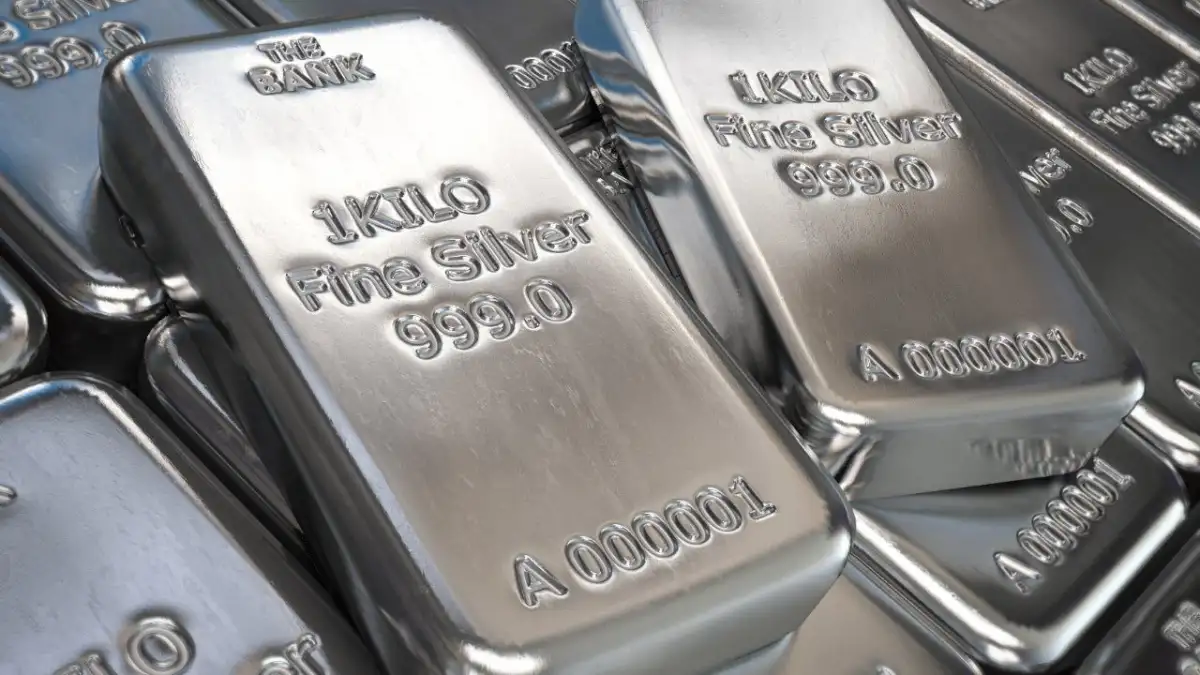
Direct physical ownership of silver, in the form of bullion (bars and coins), presents a stark reality of handling and storage. For those who recoil from such practical burdens, a variety of financial instruments offer a semblance of silver investment without the encumbrance of possessing the metal.

THE GHOST OF SILVER: INDIRECT EXPOSURES
A significant segment of the market engages with silver through vehicles that do not involve direct ownership. These include silver exchange-traded funds (ETFs) and silver-backed securities.

ETFs provide an accessible route, often pegged to physical silver, thereby offering exposure without the logistical headaches of storing bars or coins. Prominent among these are the iShares Silver Trust (SLV) and the Aberdeen Standard Physical Silver Shares ETF (SIVR).
Silver futures contracts allow participants to speculate on the metal's price movements, entering into agreements to buy or sell silver at a predetermined price on a future date. This method offers leverage but crucially, does not guarantee actual ownership of the silver itself.
MINING THE METAPHOR: SILVER EQUITIES
Beyond direct and physically-backed securities, the investment landscape extends to silver mining equities.
Read More: Solaris Energy SEI Stock Price Forecast Reaches $91.98 by July 2027
These stocks offer a way to participate in the silver market, but their performance is intrinsically tied to the operational success and market valuations of the mining companies, rather than the spot price of silver.
Diversification within this sector is possible through silver-focused mutual funds and specific miner ETFs, such as the Global X Silver Miners ETF (SIL), the iShares MSCI Global Silver & Metals Miners ETF (SLVP), and the Amplify Junior Silver Miners ETF (SILJ).
However, investing in mining stocks introduces a layer of risk distinct from holding the metal directly, as their value is subject to company-specific challenges and broader equity market dynamics.
A HISTORICAL ANGLE
The ways individuals and entities have sought to gain from silver's perceived value have evolved, moving from the tactile weight of bullion to increasingly abstract financial constructs. This shift mirrors broader trends in financial markets, where tangibility often yields to convenience and the allure of leveraged speculation. The persistent interest in silver, irrespective of the chosen investment vehicle, points to its enduring role as a subject of financial machination.