A Stark Warning for Parents
Reports detail how several families have faced profound loss after mistaking severe infections, which rapidly developed into sepsis, for common winter illnesses. The sudden and unexpected decline in health, often occurring within hours, highlights a critical gap in the public's understanding of severe illness symptoms, particularly in children. The emotional toll on these families is immense, as they grapple with the realization that what they believed to be a minor ailment may have been a precursor to a fatal condition. This pattern of misdiagnosis, when a seemingly minor sickness escalates dramatically, presents a serious public health concern, prompting a closer look at the subtle yet crucial signs that differentiate a typical bug from a life-threatening infection.

Context of Rapid Deterioration
Multiple accounts reveal a disturbing trend where children exhibiting symptoms initially perceived as typical winter illnesses, such as fever, fatigue, or general malaise, experienced a swift and severe downturn.
Read More: Snooki Shares Stage One Cervical Cancer Diagnosis and Treatment Plan on February 20, 2026
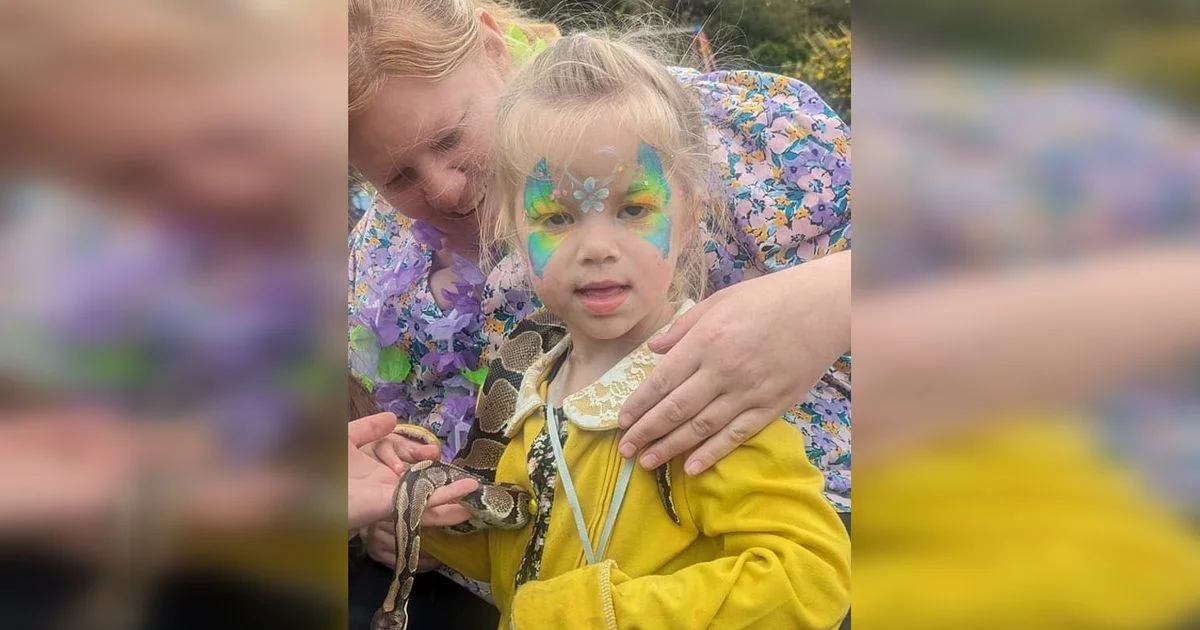
Timeline of Misjudgment: In December 2019, the case of Eliza Woods, a two-year-old, emerged. Her parents initially believed she had a "winter sick bug" or a "winter vomiting bug" after she developed a temperature. She was playing with Lego hours before her health worsened, and despite medication to control her temperature, she tragically died from sepsis.
Delayed Recognition: Another instance from January 2024 describes a daughter who appeared to have a "winter bug" but became "fatally ill with sepsis" within 12 hours. The parents in this case also noted that the child had been symptom-free for six months prior to this sudden, severe illness.
Similar Patterns: Reports from September 2023 and October 2025 describe children whose conditions were initially attributed to common winter ailments. One case involved a chest infection mistaken for a winter bug, while another described a child experiencing extreme fatigue and an inability to function, with symptoms described as a worsening condition where a "bacteria [was] taking over her body."
Broader Scope: While the focus is on children, the severity of infections can affect individuals of all ages. A report from September 2025 details a situation where a person initially thought they had a "winter bug" but it progressed to a "deadly condition" leading to the amputation of all limbs.
Evidence of Misguided Initial Assessments
The narratives consistently point to a common thread: the initial presentation of symptoms was misleading, leading families and, in some cases, medical professionals, to believe the illness was benign.

Article 4 & 5 (Eliza Woods): Both articles state that Eliza Woods' family initially thought she had a "winter sick bug" or "winter vomiting bug." She was described as eating and drinking and her temperature was managed with medication, leading her parents to believe she was recovering, mere hours before her death from sepsis.
Article 2 (Sepsis within 12 hours): This report mentions a daughter who seemed to have a "winter bug" but rapidly deteriorated. The implication is that the initial symptoms were common cold-like, obscuring the developing sepsis.
Article 3 (Chest Infection): In this case, doctors initially believed a "little girl's chest infection was [a] winter bug." This highlights that even medical professionals can initially misinterpret symptoms.
Article 1 (Bacteria taking over): The phrasing "how did we all miss the bacteria taking over her body?" suggests a delayed understanding of the true nature of the illness, which was initially perceived differently.
Article 8 (Doctor's Perspective): This article notes that "One day you’re fine, the next you’re floored with a high temperature, aching muscles, exhaustion, and a dry cough," which can be characteristic of severe infections, including sepsis, and might be initially mistaken for severe flu or a strong winter bug.
The Peril of Common Illness Mimicry
The critical danger lies in how sepsis, a life-threatening response to infection, can initially mirror the symptoms of common ailments like the flu, colds, or stomach bugs. This overlap creates a dangerous window where vital time for treatment can be lost.
Subtle Signs, Severe Consequences
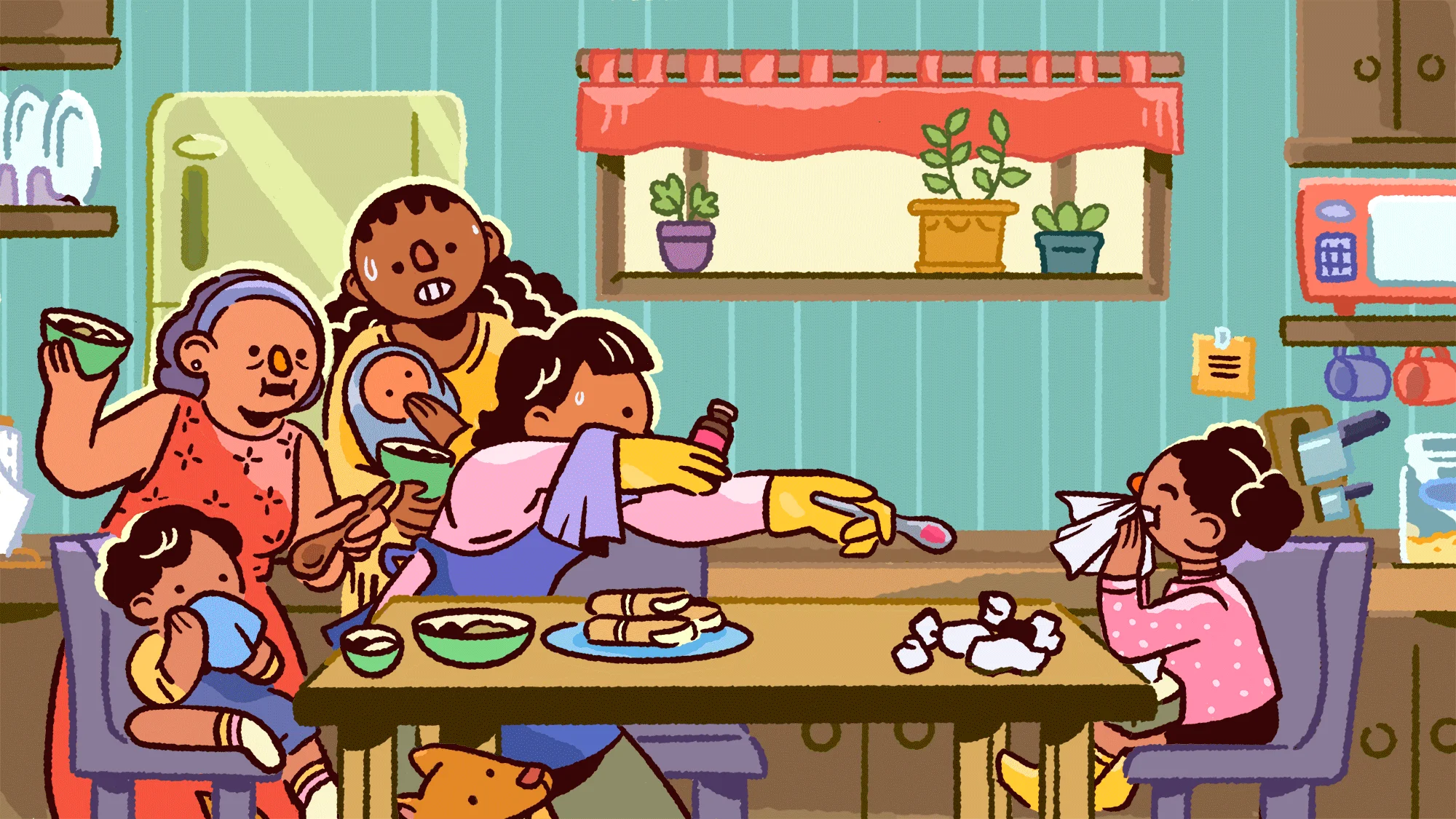
What begins as a cough, fever, or general fatigue—hallmarks of a typical winter bug—can, in the case of sepsis, escalate alarmingly. The challenge is discerning when these common symptoms are part of a more dangerous systemic response.
Article 11 ("When a Stomach Bug Might Be More Than It Seems"): This source explicitly warns that "sometimes, what seems like a routine bug may be a sign of something more serious." It advises contacting a healthcare provider if "something doesn’t feel right" or if a bug "came on faster than usual, or your child recovered only to relapse hours later."
Article 8 ("Winter bugs: what you need to know from a doctor’s perspective"): The description of rapid deterioration ("One day you’re fine, the next you’re floored…") underscores the potential for swift and severe illness progression that might initially be overlooked.
The Role of Previous Health Status
The history of a child's health, including prior conditions and periods of apparent wellness, can sometimes obscure the onset of new, severe threats.
Read More: Amanda Holden Faces Criticism for Classist Remarks on Britain's Got Talent
Article 1 ("No bad symptoms for SIX months"): The account of a daughter being symptom-free for six months before a sudden, severe decline suggests that prior health or the absence of symptoms does not preclude a rapid and dangerous illness.
Article 3 ("Without it she would deteriorate quicker"): This comment about a child with a muscle-wasting condition implies that underlying health issues can influence how quickly a patient deteriorates, making careful monitoring even more crucial.
Challenges in Diagnosis
The difficulty in diagnosis is compounded by the fact that children, especially younger ones, may not be able to articulate their symptoms clearly, and families often rely on visible signs of sickness.
Article 1 ("she could not think herself well"): This indicates a cognitive impact that parents might misinterpret as general illness or uncooperativeness, rather than a sign of a serious underlying condition affecting brain function.
Article 3 ("Even though she can't communicate sometimes, she seems to be able to communicate through music."): This highlights how non-verbal communication can be a child's way of expressing distress or their state of being, which might be missed if not carefully observed.
Article 2 ("When the nurse asked her for her date of birth, Lauren said January instead of July."): This specific instance demonstrates a potential cognitive impairment or confusion that could be an early sign of a severe infection affecting the brain, but might initially be dismissed.
Expert Insights on Sepsis Recognition
Medical professionals emphasize the critical importance of recognizing sepsis early, as timely intervention dramatically improves outcomes. They point out that while winter bugs are common, certain signs signal a need for urgent medical attention beyond simple home care.
NHS Guidance: While not explicitly an expert quote, the presence of articles like Article 12 ("Treating children’s winter bugs, illness or injuries - NHS") and Article 9 ("Winter illnesses all parents should know the symptoms of") from NHS trusts suggests a public health focus on parental awareness. These articles often advise when to seek medical help, differentiating between minor ailments and more serious conditions.
Article 11 ("When a Stomach Bug Might Be More Than It Seems"): This article, while from a pediatric clinic, offers practical advice from a healthcare provider perspective, stressing that "When something doesn’t feel right, don’t hesitate to reach out to your child’s healthcare provider."
Article 8 ("Winter bugs: what you need to know from a doctor’s perspective"): This provides general advice from a doctor about winter illnesses, reinforcing the need for rest and caution. The description of feeling "floored" by symptoms hints at the severity that warrants medical concern.
Conclusion: A Call for Heightened Vigilance
The documented cases serve as a stark illustration of how common winter illnesses can mask the rapid onset of life-threatening sepsis. The recurring theme of families mistaking severe symptoms for minor bugs underscores a critical need for greater public awareness and prompt medical assessment when a child's condition deteriorates rapidly or deviates from typical illness patterns.
Key Indicators: Symptoms such as extreme lethargy, confusion, rapid breathing, mottled skin, or a sudden worsening after a period of apparent improvement should be considered urgent warning signs.
Importance of Seeking Care: The experiences highlight that relying solely on home remedies for what appears to be a "winter bug" can be perilous if sepsis is developing. Families are urged to seek professional medical advice without delay if they harbor any doubts about the severity of their child's illness.
Future Implications: These tragedies may necessitate public health campaigns to educate parents and caregivers on the early signs of sepsis and the crucial difference between common, self-limiting infections and critical, time-sensitive conditions. The consistent pattern of misidentification across multiple reports points to a systemic issue requiring attention.
Sources Used:
Article 1: The Guardian - Published: October 8, 2025 - Link: https://www.theguardian.com/world/2025/sep/28/as-my-daughter-got-sicker-and-sicker-our-quest-for-answers-dragged-on-how-did-we-all-miss-the-bacteria-taking-over-her-body
Article 2: The Telegraph - Published: January 30, 2024 - Link: https://www.telegraph.co.uk/health-fitness/conditions/cold-flu/daughter-winter-bug-turned-into-fatal-sepsis/
Article 3: Liverpool Echo - Published: September 6, 2023 - Link: https://www.liverpoolecho.co.uk/news/liverpool-news/doctors-thought-little-girl-winter-27655103.amp
Article 4: The Mirror - Published: December 18, 2019 - Link: https://www.mirror.co.uk/news/uk-news/toddler-whose-family-thought-winter-21123622
Article 5: The Sun - Published: December 18, 2019 - Link: https://www.the-sun.com/lifestyle/170551/dads-heartbreaking-plea-after-baby-girl-dies-of-sepsis-when-they-mistook-it-for-a-winter-vomiting-bug/
Article 8: Joined Up Care Derbyshire - Published: December 12, 2025 - Link: https://joinedupcarederbyshire.co.uk/news/winter-bugs-what-you-need-to-know-from-a-doctors-perspective/
Article 11: Kidsville Pediatrics - Seen on: Brave - Link: https://www.kidsvillepeds.com/blog/1323304-7-signs-your-childs-stomach-bug-is-something-more-serious/
Article 12: NHS Cornwall and Isles of Scilly - Published: January 21, 2025 - Link: https://cios.icb.nhs.uk/2025/01/21/treating-childrens-winter-bugs-illness-or-injuries/
Article 13: NHS - Seen on: Brave - Link: https://www.nhs.uk/conditions/norovirus/
Article 15: Manchester Evening News - Published: January 31, 2023 - Link: https://www.manchestereveningnews.co.uk/news/greater-manchester-news/i-thought-daughter-just-insect-26092214 (Note: Summary extraction was limited, but title is relevant to misdiagnosis of serious conditions.)
Article 7: INKL - Published: September 3, 2025 - Link: https://www.inkl.com/news/i-thought-i-had-a-winter-bug-but-deadly-condition-left-me-with-all-my-limbs-amputated (Note: While not about a child, it reinforces the theme of mistaking a serious condition for a winter bug.)

:max_bytes(150000):strip_icc():focal(918x314:920x316)/nicole-snooki-polizzi-sirius-22026-0e306645334e4fd1bfea031b05bb8bdc.jpg)