


A woman has undergone the amputation of all four of her limbs due to a severe infection that medical professionals believe originated from a dog lick. The incident, which occurred to Marie Trainer, highlights the potential for serious health complications arising from interactions with animals, even in seemingly minor circumstances. The events leading to her condition have raised questions about the transmission of bacteria and the body's response to infection.

Marie Trainer, an Ohio resident and salon owner, experienced a rapid decline in health following what is thought to be an encounter with her German Shepherd. Initial symptoms included backache and nausea, which quickly escalated to a severe, tissue-damaging infection. Medical intervention was ultimately unable to save her hands and legs, necessitating amputation to prevent the spread of gangrene and preserve her life.
Read More: India IVF Costs And Social Barriers Limit Access In April 2026
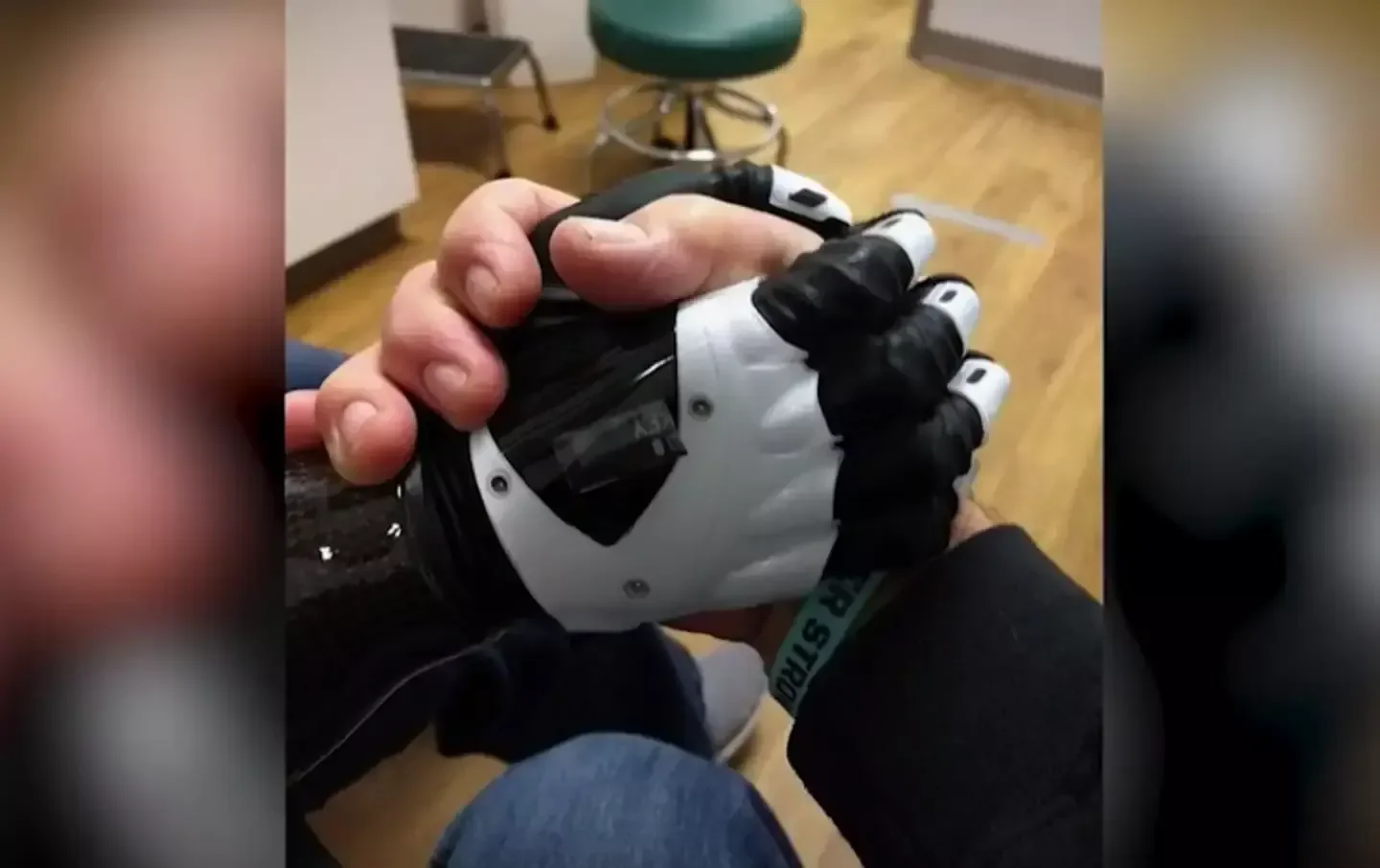
Timeline of Events and Medical Response
The reported timeline suggests that Marie Trainer’s health crisis began shortly after returning from a holiday.
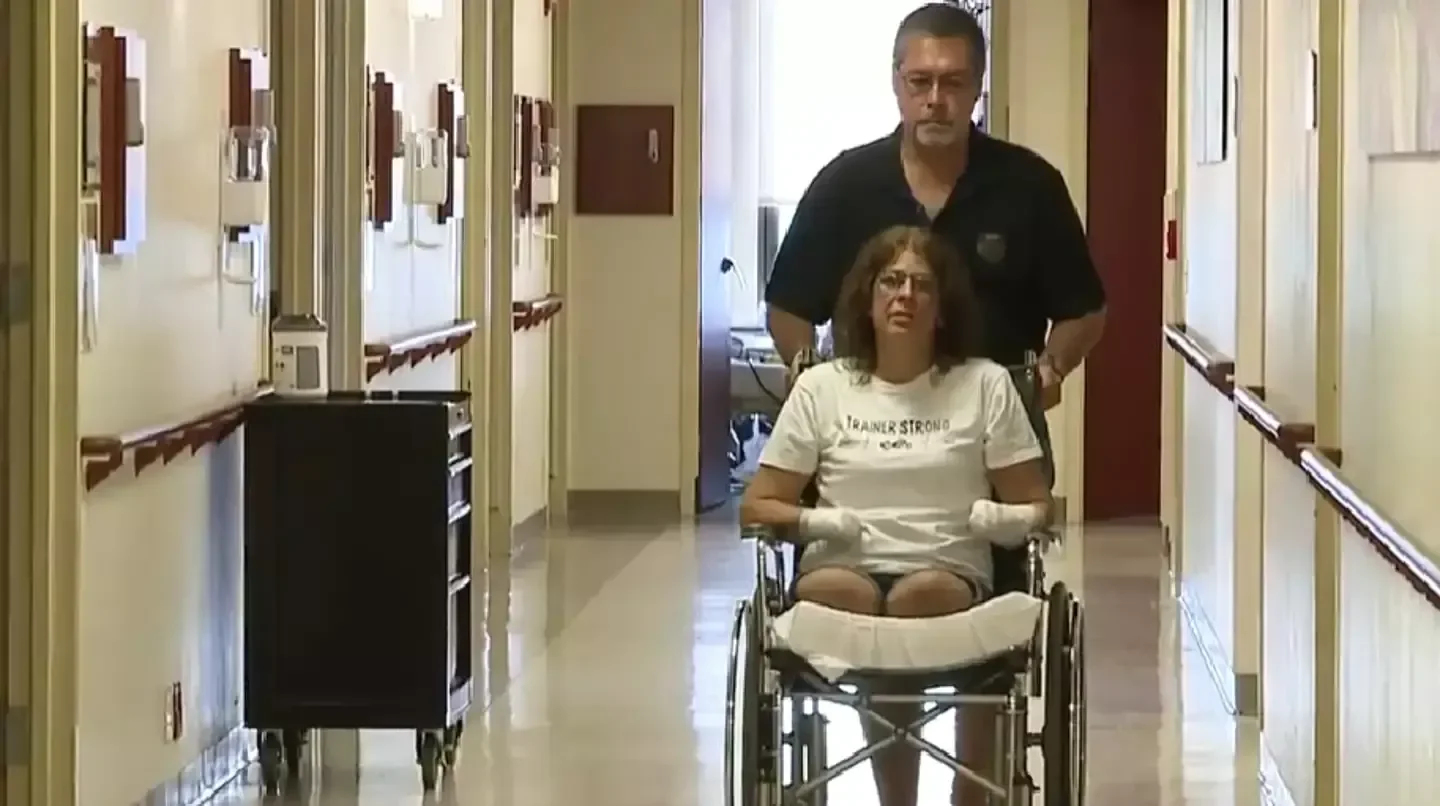
May 13: Trainer sought medical attention, reporting symptoms such as backache and nausea.
Following admission: Her condition deteriorated significantly, leading to her falling into a coma.
After a 9-10 day coma: Trainer awoke to find that surgeons had amputated her hands and lower legs. The infection had caused extensive damage to the tissue in these extremities, making removal necessary for survival.
Diagnosis: Trainer was eventually diagnosed with an infection caused by Capnocytophaga canimorsus, a bacteria commonly found in the mouths of dogs.
Subsequent Procedures: Reports indicate that the infection necessitated the amputation of all four limbs to contain its spread and prevent further gangrene.
Recovery and Prosthetics: Several years later, Trainer has been fitted with advanced myoelectric prosthetics, and she continues to focus on her recovery and rehabilitation.
The Role of the Dog Lick
Medical professionals widely believe that the infection entered Marie Trainer’s system when her German Shepherd licked an open wound, possibly a scrape or a cut on her hand. This is a common pathway for bacteria from an animal's mouth to enter the human bloodstream.
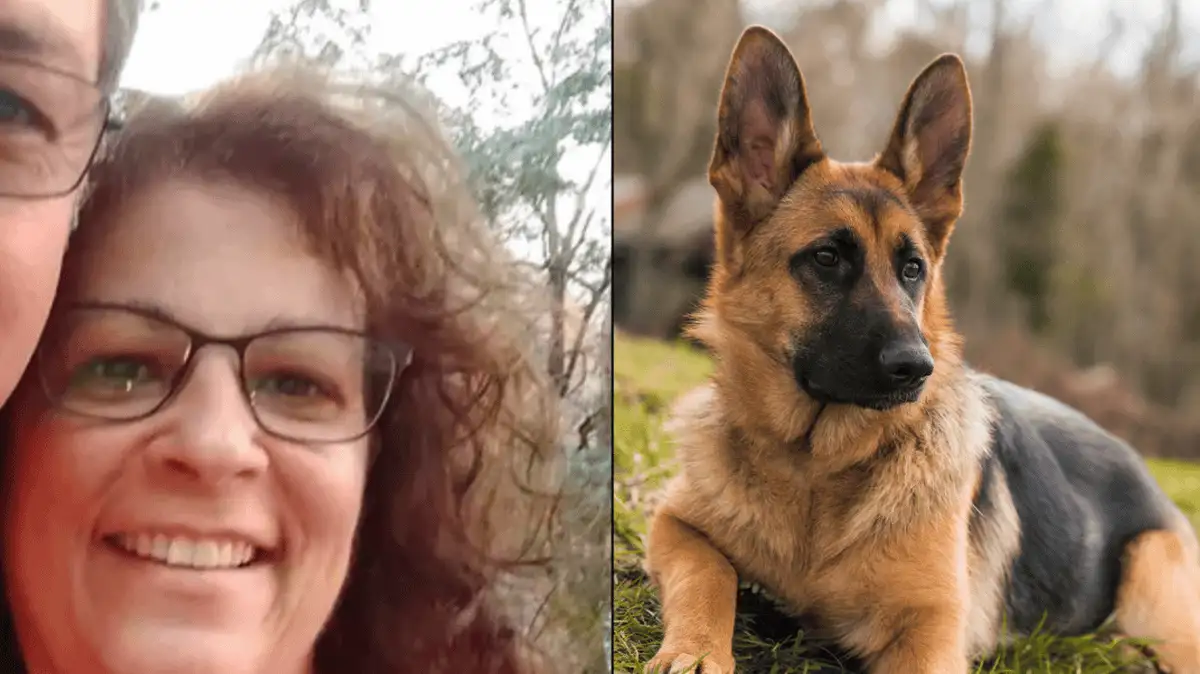
The bacteria, Capnocytophaga canimorsus, is a known inhabitant of a dog's saliva.
While most dog owners do not experience severe reactions, individuals with weakened immune systems or open wounds are at higher risk.
The speed and severity of Trainer’s infection suggest a particularly aggressive strain or a significant exposure.
Understanding Capnocytophaga Canimorsus
Capnocytophaga canimorsus is a bacterium that can be present in the mouths of healthy dogs and cats. Though not always pathogenic, it can cause severe illness in humans, particularly if transmitted through bites or scratches.
The bacteria can lead to a range of symptoms, from localized infections to life-threatening sepsis.
In severe cases, it can cause tissue death (gangrene) and damage to blood vessels.
Amputation is sometimes required to remove the affected, non-viable tissue and halt the infection's progression.
The exact prevalence of Capnocytophaga canimorsus in asymptomatic dogs is not fully understood, making risk assessment challenging.
Conflicting Perspectives on Severity
While the outcome for Marie Trainer was undeniably severe, the general consensus among medical experts is that such extreme reactions to dog licks are rare.
| Viewpoint | Details |
|---|---|
| Extreme Rareness | Most medical sources emphasize that severe infections like Trainer's are uncommon, even with direct contact. |
| Vulnerability Factors | The likelihood of serious illness may increase in individuals with compromised immune systems, spleen issues, or existing wounds. |
| Bacterial Load and Strain | The specific strain of Capnocytophaga canimorsus and the amount of bacteria present could influence the severity of the infection. |
| Individual Immune Response | A person's unique immune system plays a crucial role in how effectively it fights off potential pathogens. |
| Potential for Misidentification of Source | Could there be other contributing factors to the infection that were not directly identified, even if the dog lick was a trigger? |
Expert Analysis
Dr. Ajay Seth, an orthopedic surgeon involved in Trainer’s care, praised her progress, noting the difficulty of her recovery. The events underscore the importance of seeking prompt medical attention for any concerning symptoms following animal contact, particularly if there are pre-existing wounds or a compromised immune system. The precise mechanism and factors contributing to the extreme severity of Trainer’s infection remain a subject for further medical investigation.
Read More: Savage Industries Dog Harnesses Tested for Better Walks
Conclusion and Implications
The case of Marie Trainer serves as a stark reminder of the potential health risks associated with animal interactions. The severe infection, leading to the amputation of all four limbs, appears to have been triggered by a dog lick on an open wound.
Findings: Marie Trainer contracted a severe infection, diagnosed as Capnocytophaga canimorsus, resulting in the amputation of her limbs. The suspected point of entry for the bacteria was a lick from her German Shepherd on an open wound.
Implications: This incident highlights the importance of hygiene and caution when handling pets, especially around open wounds. It also emphasizes the need for prompt medical evaluation of any unusual or rapidly worsening symptoms after potential exposure to animal-related pathogens.
Next Steps: While this specific case is rare, it reinforces the medical community’s advice to wash wounds thoroughly after contact with animals and to consult a doctor if signs of infection, such as fever, swelling, or redness, appear.
Sources Used:
Live Science: Published August 6, 2019. Details the medical necessity of amputation due to tissue damage caused by the infection.
Link: https://www.livescience.com/66110-dog-kisses-infection-amputation.html
CNN: Published August 3, 2019. Reports on Marie Trainer's recovery and her thoughts on seeing her dogs again.
Link: https://www.cnn.com/2019/08/02/health/amputation-dog-lick-ohio-woman
Ladbible: Published October 20, 2024. Provides an overview of the incident and Trainer's use of advanced prosthetics.
Link: https://www.ladbible.com/news/us-news/woman-lost-limbs-pet-dog-kisses-ohio-680586-20241020
Unilad: Published September 1, 2024. Features Trainer speaking about the challenging aspects of her recovery and her continued affection for her dog.
Link: https://www.unilad.com/news/us-news/marie-trainer-limb-amputation-dog-lick-850134-20240901
Fox News: Published without a specific date, but references the events as having occurred. Reports on the amputation of parts of Trainer's limbs and her hospital stay.
Link: https://www.foxnews.com/health/ohio-legs-arms-amputated-dog-lick-infection
Metro: Published August 1, 2019. Describes the initial incident where a dog lick on a scrape led to severe sepsis and amputation.



:strip_icc()/GettyImages-688951857-586d7be13df78c17b6e3a3cb.jpg)


