ISLAMABAD - Pakistan has dispatched troops and fighter jets to Saudi Arabia, a move signaling its engagement in the volatile Middle East. This deployment occurred just prior to the extension of a ceasefire in the ongoing conflict involving Iran and the United States. The exact timing and specific nature of the deployment remain subjects of careful observation, given the delicate geopolitical landscape.

The presence of Pakistani military personnel and aircraft in Saudi Arabia underscores Pakistan's active role in regional security dialogues, particularly in its capacity as a negotiator between the US and Iran.
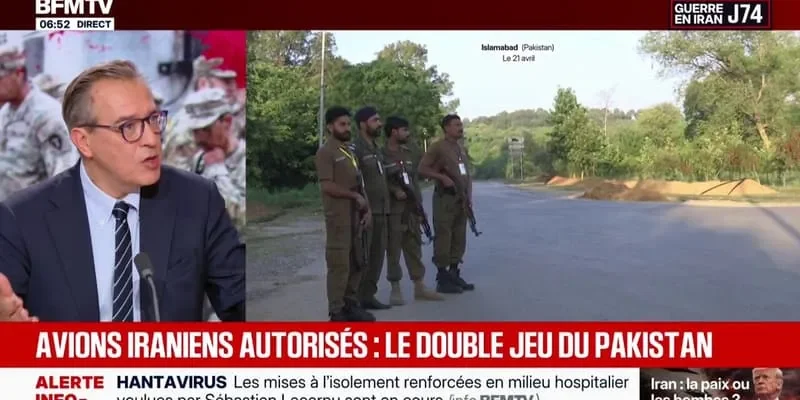
Recent developments indicate that Pakistan has been a key intermediary in brokering ceasefires and facilitating dialogue between the warring parties. News reports suggest that Pakistan authorized the temporary stationing of Iranian military aircraft on its soil just before the recent ceasefire. This action, detailed by CBS News, highlights Pakistan's willingness to accommodate sensitive arrangements amidst the conflict.
Read More: AFP Reviews War Crime Claims Against Australian in Gaza
Further complicating the situation, the Iranian foreign minister has departed Pakistan, and the United States had previously sent a delegation to Islamabad, indicating the capital's central role in these diplomatic efforts. Donald Trump, the US President, has made pronouncements about the ceasefire being "under life support" and has alluded to potential renewed hostilities should negotiations falter. Iran, meanwhile, has conveyed its demands, including an end to the conflict on all fronts and the securing of the Strait of Hormuz, through Pakistani mediators.
Broader Regional Context
The Pakistan-Iran-US mediation efforts are occurring against a backdrop of a precarious ceasefire. Donald Trump has repeatedly pressured Iran, even as he extended the truce, noting that negotiations were not yet "mature." The latest Iranian response, channeled through Pakistan, has reiterated its demands for a comprehensive peace and strategic waterway control.
Read More: Gulf Oil Exports Rise in June but Still Below Pre-War Levels
Internal and Border Tensions
Domestically, Pakistan has faced its own set of challenges. Earlier in the year, police destroyed opium poppy fields near the Afghan border, with farmers citing poverty as a reason for cultivation. Karachi, a major urban center, recently experienced a severe storm that resulted in at least 16 fatalities. Furthermore, tensions with India have flared, with reports of Indian missile strikes on Pakistani-controlled territory resulting in significant casualties. This exchange followed a missile test by the Pakistani army amidst heightened tensions, themselves stemming from an attack claimed by a Pakistani Taliban faction.
Pakistan itself is a nation shaped by its history, including independence from British rule and the partition of British India. Its geography is characterized by the Indus River and the Indo-Gangetic Plain, with varied climates from cool winters in the northern mountains to warmer conditions elsewhere. Culturally, it boasts landmarks like the Badshahi and Faisal mosques in Lahore and culinary traditions such as Biryani.
Read More: Indus Waters Treaty remains suspended in India and Pakistan April 2026