Researchers have uncovered a strain of yeast within Ötzi the Iceman's gut, a discovery that has led them to successfully bake bread using the ancient microorganism. This finding, published recently, suggests a potentially active and surprisingly well-preserved microbial ecosystem within the 5,300-year-old mummy.
The presence of this specific yeast strain in Ötzi's intestines opens a window into prehistoric diets and food preparation, suggesting that bread-making techniques might have involved deliberate cultivation of these microorganisms more than five millennia ago. The researchers were able to revive the ancient yeast and, using it, create bread, demonstrating its viability. This development offers a tangible link to the Iceman's life and culinary practices.
Microbial Life Thriving After Millennia
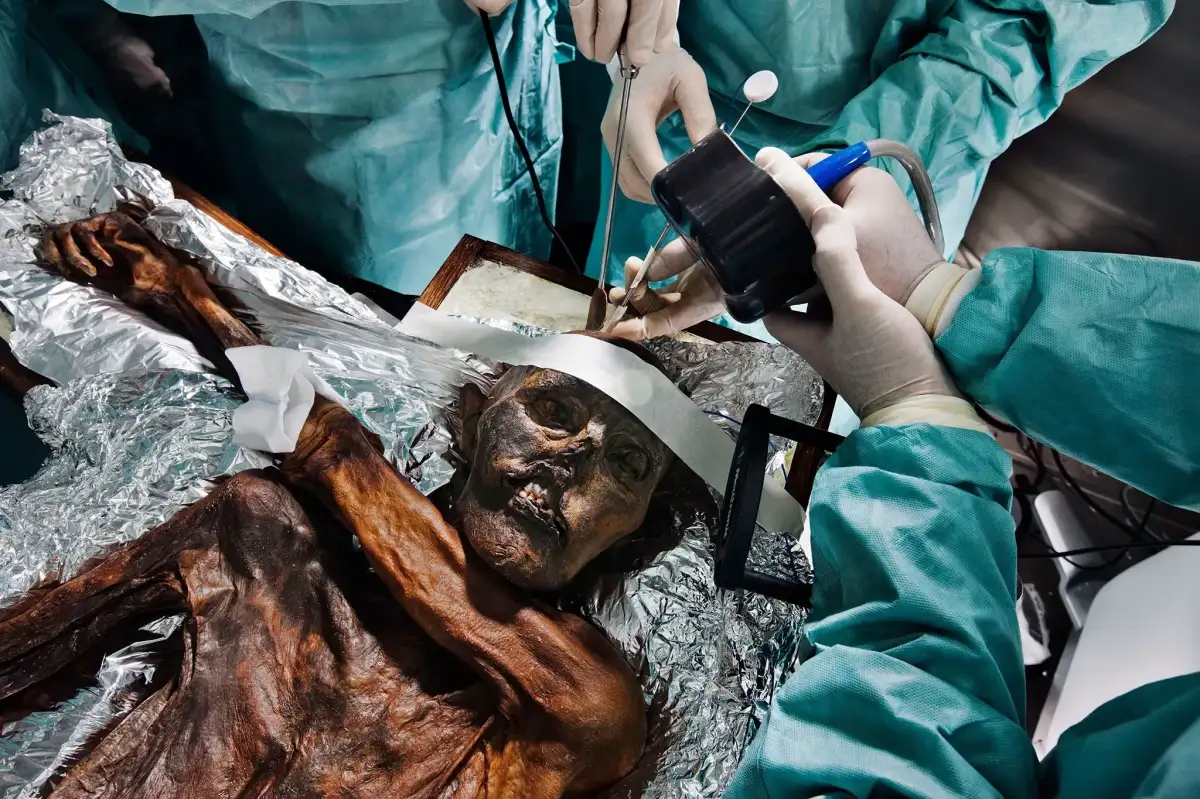
The study, appearing in the journal 'Microbiome', details the extensive inventory of microorganisms, including bacteria, fungi, and other microbes, found on and within Ötzi's body. While some of these microbes are ancient, dating back to Ötzi's time, others are more recent contaminants, posing a risk to the mummy's long-term preservation. Scientists have worked to identify and analyze these microbial communities, recognizing that some have remained active despite the extreme conditions of their preservation.
Read More: 5,900-Year-Old Child Skull Found in Norway Cave
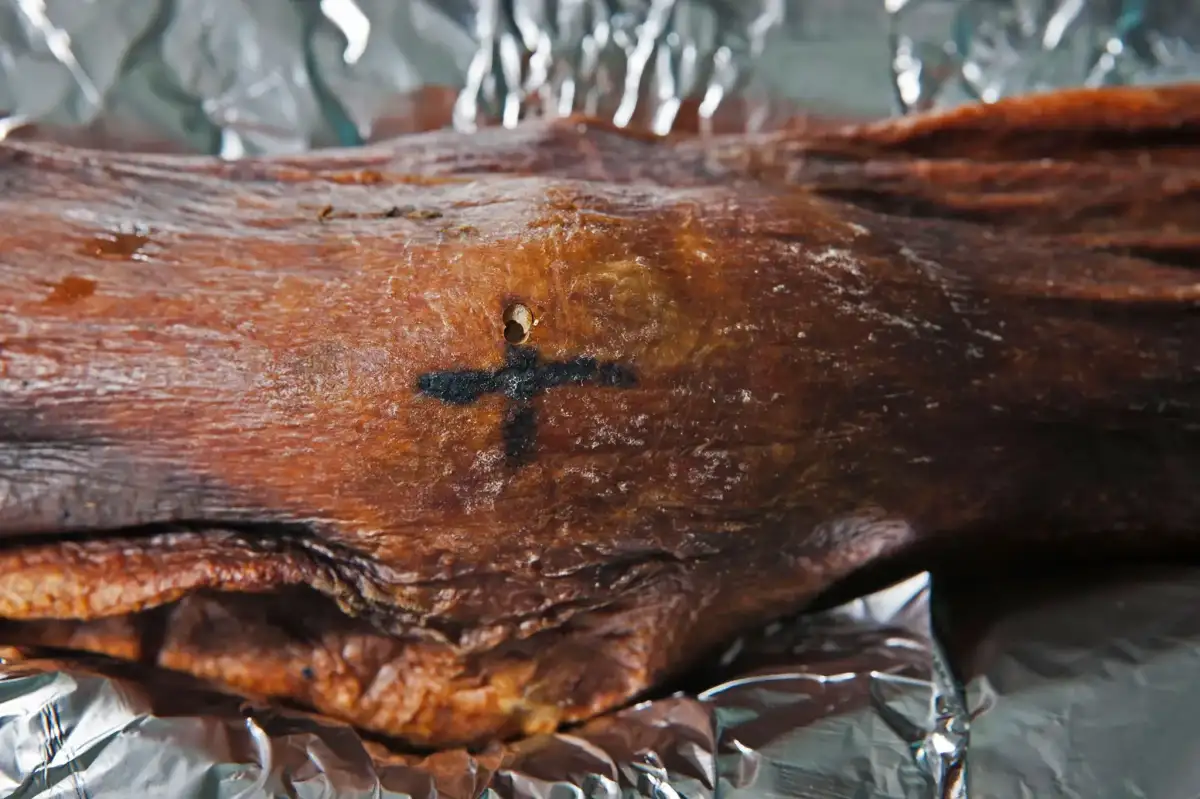
A Look into Ötzi's World
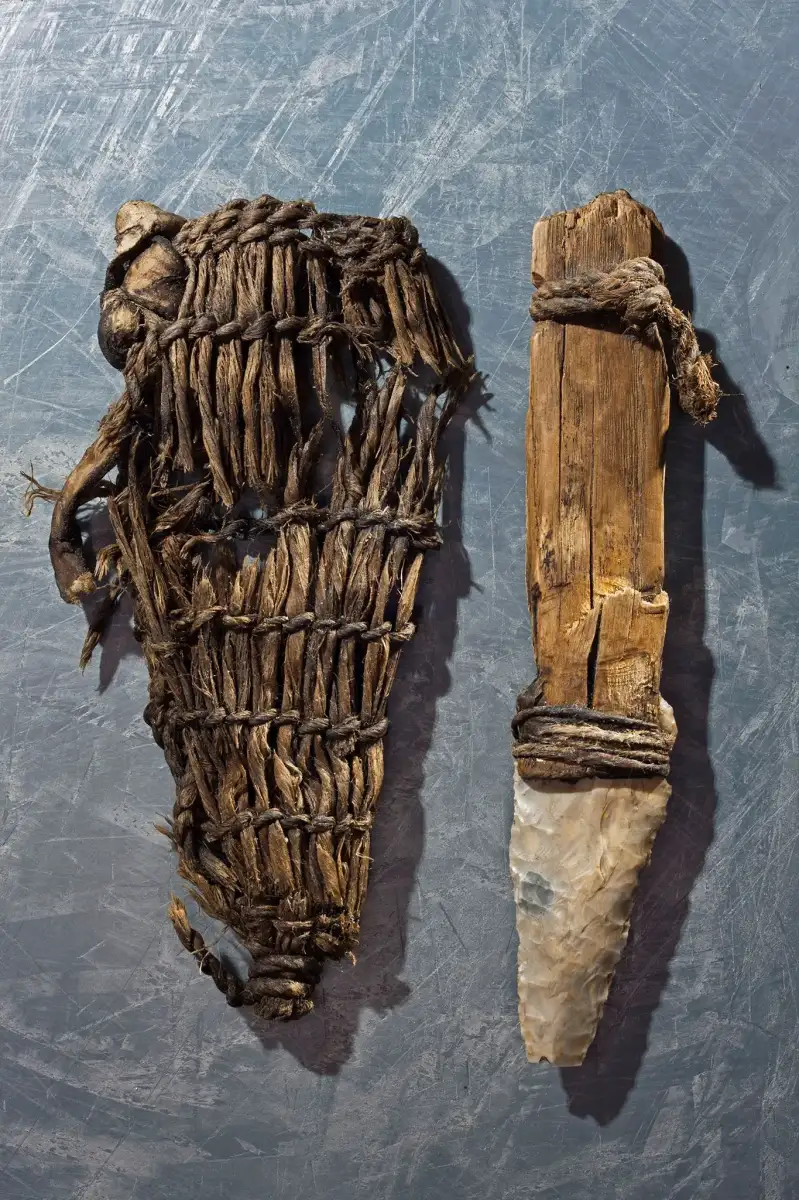
Beyond the microbial findings, investigations into Ötzi's remains continue to reveal details about his life and death. Analyses of his clothing, fashioned from sheep and goat skins, point to the use of materials readily available in his native region. Earlier research has also identified remnants of his last meals, which included deer, ibex, and spelt wheat, indicating a diet rich in fiber and whole grains, potentially more so than modern diets.

The Iceman's demise remains a subject of fascination, with various theories including assassination and accidental death due to cold. Forensic reconstructions of the arrow wound that likely contributed to his death suggest a projectile fired from approximately thirty meters away. Furthermore, traces of Borrelia burgdorferi, the bacterium responsible for Lyme disease, have been found in Ötzi's body, marking him as one of the earliest known cases of this infection.
Read More: Indigenous Data Rights Now Key in Conservation Genomics