
A recent investigation has illuminated the arduous journey of the Altar Stone, a significant component of the iconic Stonehenge monument. Researchers have detailed how this massive bluestone, weighing an estimated 25 to 50 tons, was transported across Britain, a feat demanding immense human effort and sophisticated understanding of logistics in prehistoric times. The findings suggest this stone, unlike others at the site, originated from the Preseli Hills in Pembrokeshire, Wales, a distance of approximately 140 miles from the Salisbury Plain.
The study posits that the Altar Stone's transport was not a simple, direct route. Instead, it likely involved a combination of land and water routes. This implies a complex, multi-stage operation, possibly utilizing rivers like the Bristol Avon, and requiring considerable planning and collective action. The scale of such an undertaking challenges conventional views of the organizational capacities of Neolithic societies.
Read More: 5,900-Year-Old Child Skull Found in Norway Cave
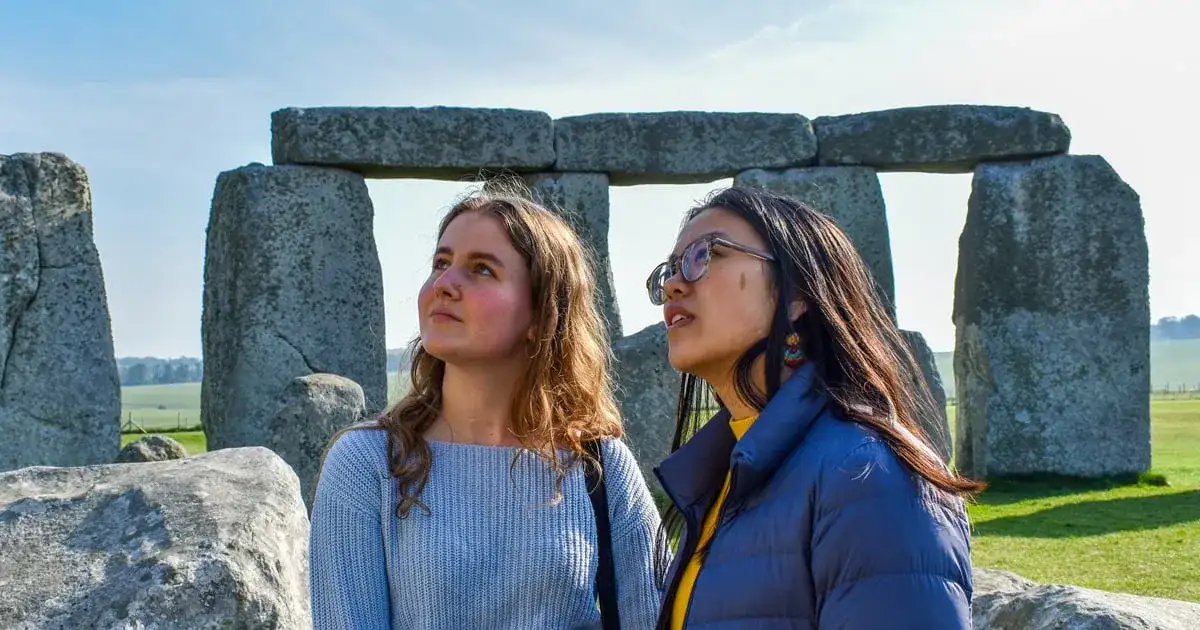
Tracing the Path
The investigation into the Altar Stone's origin and movement involved meticulous geological analysis and comparative studies of other bluestones found at Stonehenge. While many bluestones at the site have been traced to the Preseli Hills, the Altar Stone’s unique characteristics and sheer mass made its transportation a particularly significant endeavor.
Its placement within the Stonehenge arrangement, often standing apart or lying fallen, has long intrigued archaeologists.
The energy and resources required for its relocation point to a profound cultural or spiritual importance attributed to this specific stone.
Context of Monumental Construction
Stonehenge itself sits within a landscape rich with older monuments, indicating a long history of human activity and ritual in the area. The site was a focal point for Neolithic and Mesolithic peoples, with surrounding features like long barrows and cursus monuments dating back to the 4th millennium BCE. The construction of Stonehenge, particularly the movement of its massive stones, represents a peak of prehistoric engineering and societal organization in northwestern Europe.
The area around Stonehenge has yielded evidence of its use for purposes beyond mere construction. In 2008, archaeologists Tim Darvill and Geoffrey Wainwright proposed, based on findings like the Amesbury Archer, that the monument may have served as a 'place of healing'. This theory, supported by analysis of human remains showing no particular health disparities from other regions, adds another layer to the enduring mystery of Stonehenge's function.
Read More: Tess Daly wears wedding ring in London after split from Vernon Kay