OpenAI has rolled out a suite of tools, notably the Agent Builder, designed to simplify the creation and deployment of autonomous AI systems. This platform allows developers to construct agent workflows by connecting visual "nodes," akin to a drag-and-drop interface. The output can be integrated into existing applications via a provided ID with ChatKit or by using the downloaded Agents SDK. This move signifies a shift in how complex AI agents are engineered, potentially reducing the need for extensive custom infrastructure.
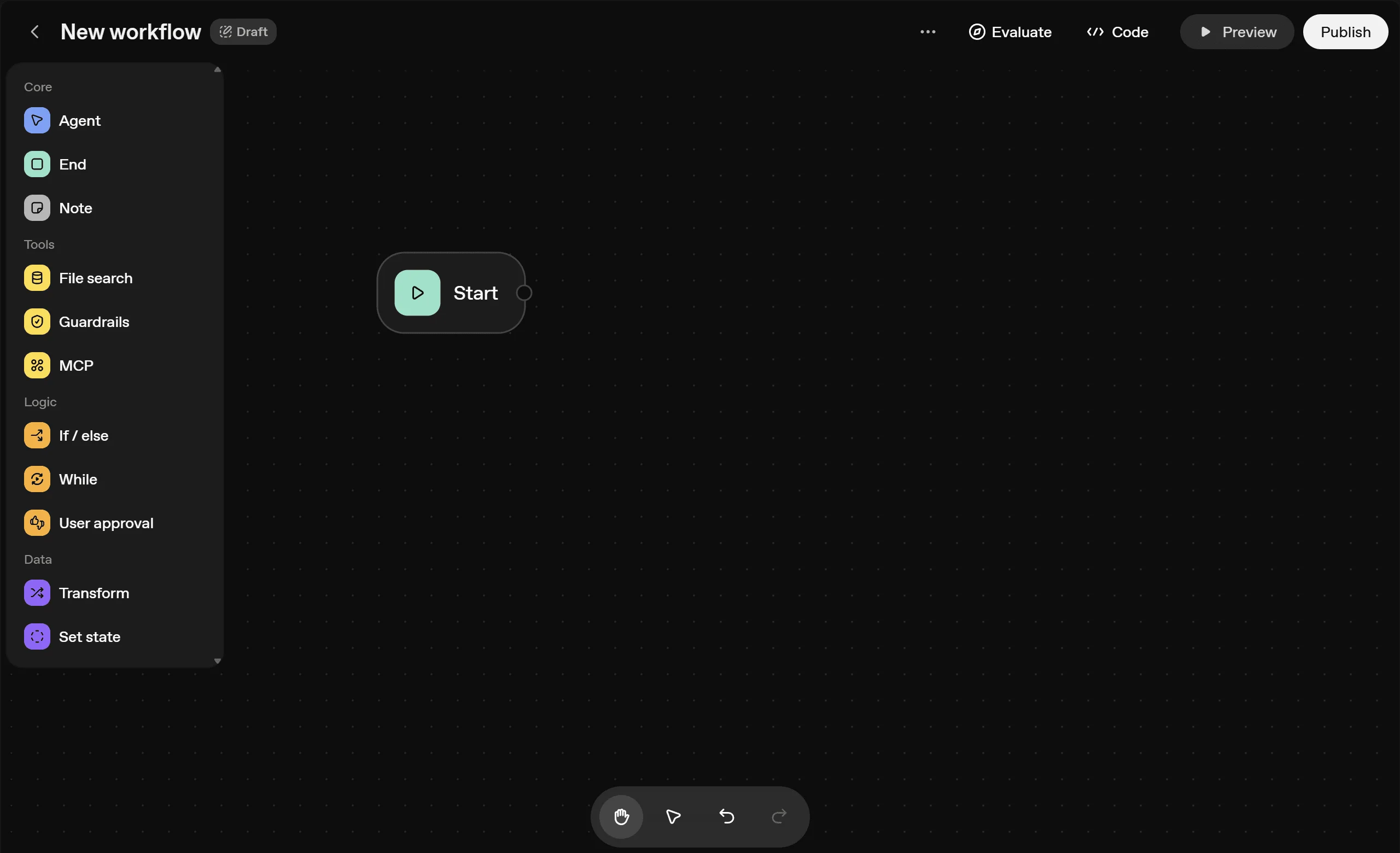
The Agent Builder platform allows for visual workflow composition, autosaving progress, and in-built evaluation tools, including trace graders. Developers can deploy these workflows directly using the ChatKit integration or by exporting the Agents SDK code. This provides a structured environment for building "production-ready" AI agents, moving beyond theoretical concepts into tangible application.
Read More: New Heat Flow Discovery in Thin Materials Changes How Heat Moves
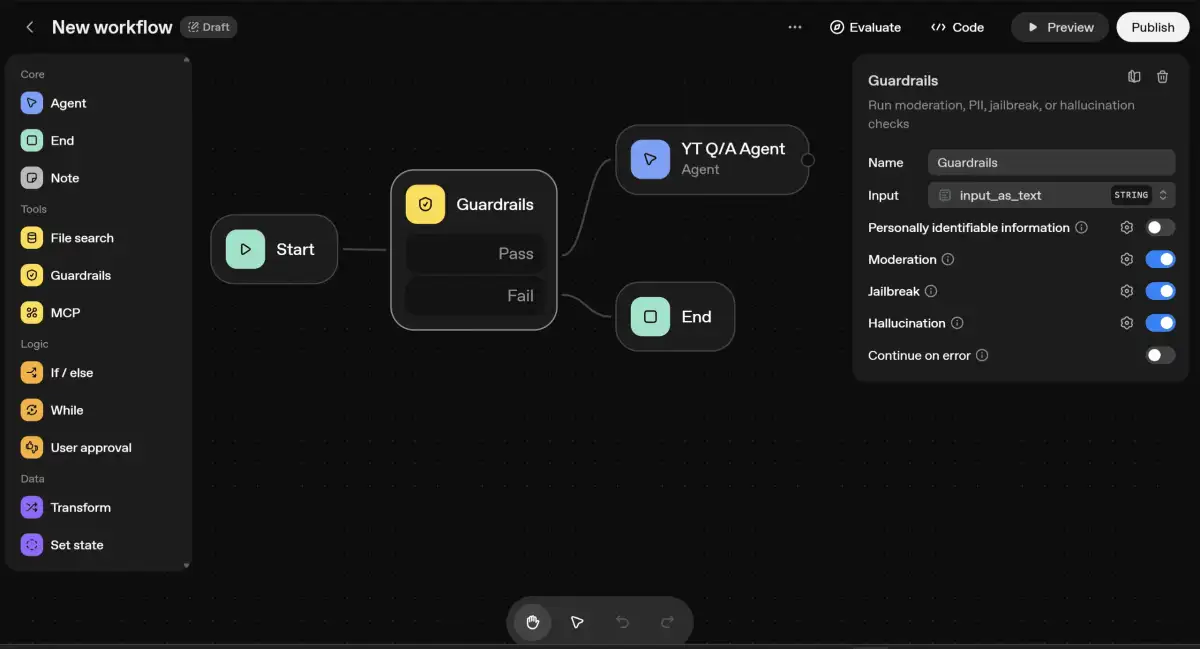
Visualizing Agent Construction
The Agent Builder is presented as a visual, node-based workflow creator. This approach aims to demystify the process, allowing for the composition of agents by connecting distinct functional blocks. This resembles existing visual workflow tools, making it accessible to a wider range of users. The system also incorporates features for evaluating agent performance, such as step-by-step trace grading.
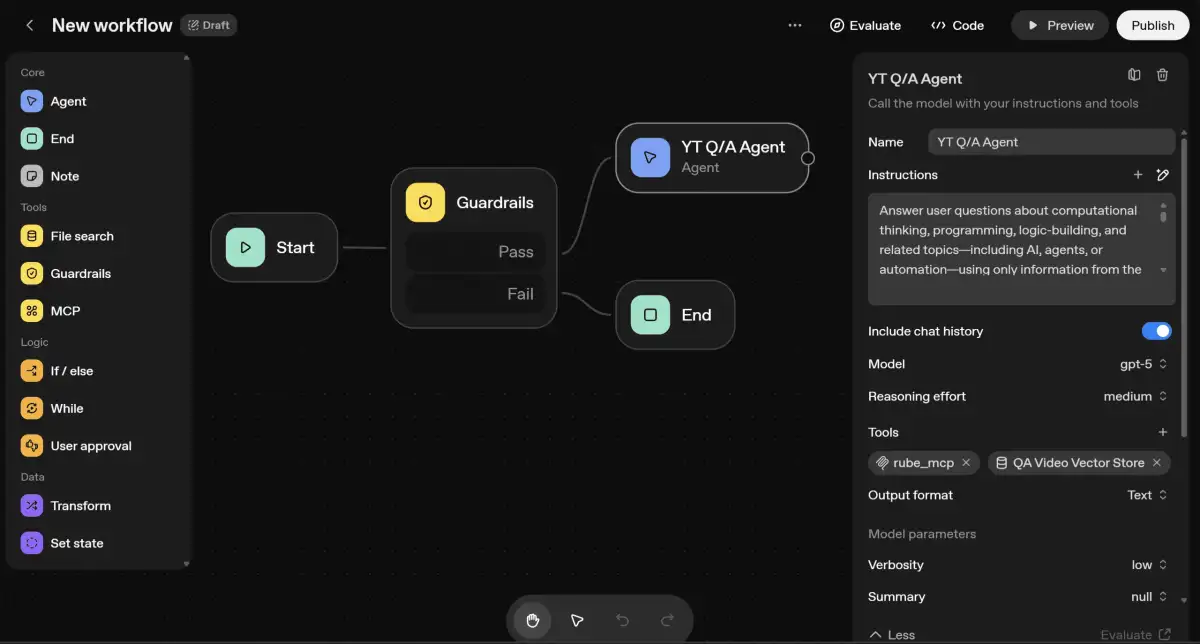
Integration and Deployment Pathways
For deploying these constructed agents, OpenAI offers two primary methods:
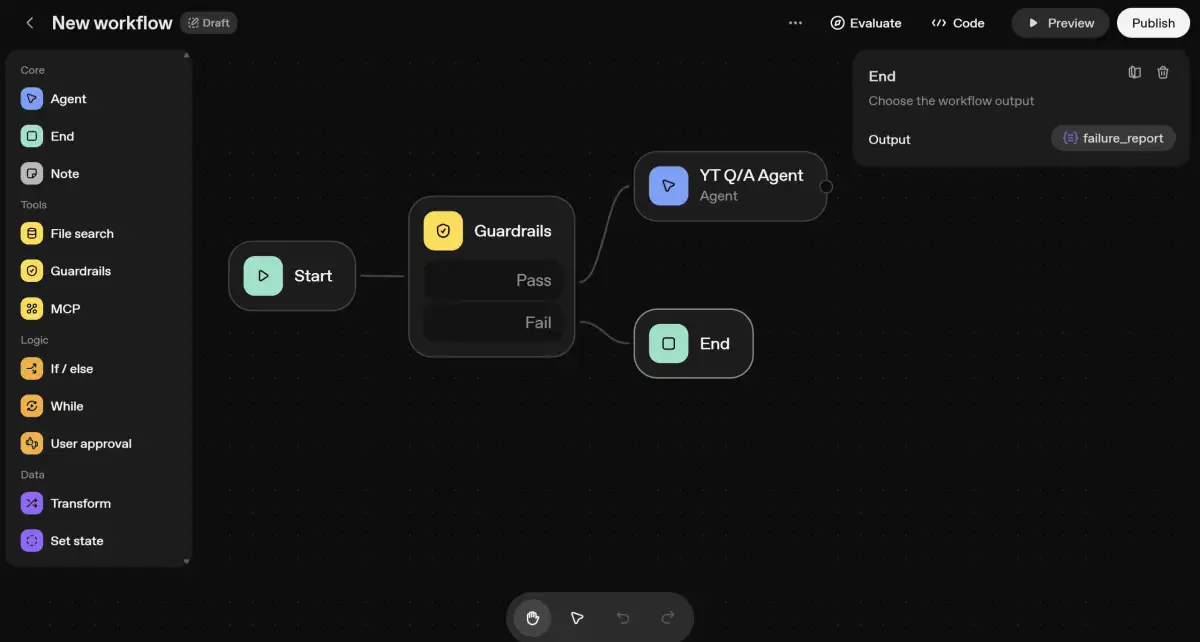
ChatKit Integration: Developers can embed workflows by passing a workflow ID into their ChatKit setup.
Agents SDK: Alternatively, the code for the agents can be downloaded for self-deployment.
These options provide flexibility for integrating agent capabilities into diverse applications and systems.
Industry Response and Development Context
The announcement of this new stack, including AgentKit, the Agent Builder, the Responses API, and integrated safety features, appears to be a significant development. Some companies, having invested heavily in custom agent infrastructure, are reportedly re-evaluating their existing systems in light of these new offerings. This suggests a potential industry pivot towards utilizing OpenAI's standardized tools for building autonomous systems.
Read More: Superlinked Co-Founder Wants Simpler AI Tools
Background: The Evolving API Landscape
The development comes as the broader conversation around APIs is shifting. There's a growing recognition that API design needs to evolve beyond human-centric considerations to accommodate the demands of AI agents. This involves rethinking principles for clarity, intuitiveness, and error handling from an agent's perspective. Tools like the OpenAI Agents SDK are part of this larger trend, aiming to streamline the integration of agentic AI capabilities into software development. Recent publications highlight the necessity of designing APIs for AI agents, not just as interfaces used by them, pointing to a fundamental change in software architecture and communication protocols.