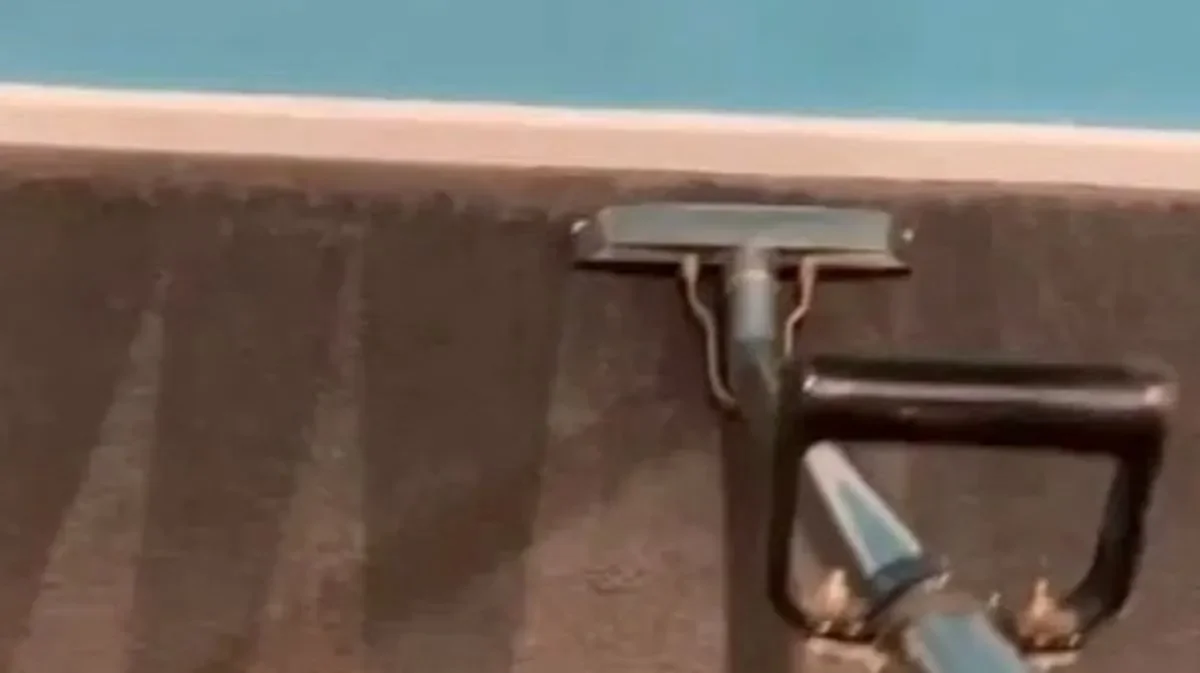
A recent surge in online discourse, particularly on platforms like TikTok, suggests a widespread misconception regarding the fundamental technique of vacuuming. Professional cleaners and lifestyle publications have illuminated what they describe as a more "effective" or "proper" method, challenging long-held habits and promising superior results. The core of this revised approach appears to center on deliberate, overlapping passes rather than rapid, haphazard movements.
The prevalent "mistake," as articulated by several sources, involves a hurried, back-and-forth motion that overlooks areas and reduces suction efficiency. Instead, the advocated technique emphasizes slow, methodical strokes. One method involves moving the vacuum forward and then drawing it back over the same strip, ensuring a thorough capture of dust and debris. This is followed by a second pass, creating a new strip immediately adjacent to the first, with a slight overlap. For enhanced cleaning, a perpendicular pass is also recommended.
Read More: Summer AC Settings: Save Money by Raising Thermostat
Beyond the Stroke: Maintenance and Preparation
The discourse extends beyond the act of vacuuming itself, touching upon crucial aspects of machine upkeep and area preparation.
Decluttering: Before the vacuum is even switched on, clearing the floor of obstacles is presented as a vital preliminary step. This prevents the vacuum from encountering impediments that could reduce its effectiveness or even cause damage.
Filter Care: The health of the vacuum's filter is frequently cited as paramount. Regular cleaning or replacement of filters is presented as essential for maintaining optimal suction power and prolonging the appliance's lifespan.
Canister Management: The frequency and method of emptying the vacuum's canister also emerge as points of discussion. Leaving the canister full is said to diminish suction and potentially impact the machine's overall performance.
The Viral Phenomenon and its Implications
The "right way" to vacuum has become a minor internet sensation, with videos demonstrating the techniques garnering millions of views and significant engagement. Accounts like "The Big Clean Co" on TikTok have played a key role in disseminating these cleaning insights. This phenomenon highlights a public fascination with discovering seemingly simple, yet overlooked, efficiencies in everyday tasks. It also underscores the pervasive influence of social media in shaping domestic practices and consumer information.
The timing of these revelations, with many articles published in mid-2021 and again in early 2025, suggests a recurring interest in optimizing household chores. The emphasis on "easier" methods and achieving a "cleaner, healthier feel" taps into broader desires for both efficiency and well-being in domestic spaces.
Read More: What guests notice when entering your home in April 2026
Key Concepts: