The Semiconductor Plant: A Beacon of Progress or a Questionable Promise?
The proposed semiconductor plant in Jagiroad, Assam, stands as a central piece in the Bharatiya Janata Party's (BJP) narrative of future-ready development. Officials from the Tata Group have indicated that local populations will form a significant portion of the plant's workforce. However, a murmur of doubt persists among some within the BJP itself, with questions raised about whether a highly specialized, technology-driven project will truly generate ample employment opportunities for residents of the region. This project, championed by the BJP as an economic game-changer for Jagiroad and Assam at large, has also garnered a degree of optimism from political rivals, including Bubul Das of the Congress.
Development as a Political Tool: Beyond Infrastructure
The Assam BJP's strategy for the upcoming assembly election appears to intricately weave together promises of substantial investment, job creation, and welfare schemes with themes of cultural identity, notably 'love jihad' and 'land jihad.'
This dual approach, combining tangible development pledges with appeals to cultural anxieties, forms the bedrock of the party's campaign. The BJP's electoral dominance in Assam, particularly over the past 15 years, is attributed to a sophisticated understanding of vote distribution, not merely vote acquisition.
Read More: Goldman Sachs predicts 15 million US jobs lost to AI by 2036
Land Reclamation: Development and Dispossession
The Assam government, under Chief Minister Himanta Biswa Sarma, has aggressively pursued the reclamation of state land, presenting these actions as crucial for cultural, ecological, and economic advancement. Over the last four years, approximately 1.2 lakh bighas of government land have reportedly been recovered from 25,000 encroachers.
However, this drive has not been without its critics. Opposition parties have voiced concerns about a looming socio-political imbalance, warning of long-term ramifications. Communities primarily consisting of Bengali-speaking Muslims, often the targets of these reclamation efforts, have allegedly been displaced significant distances from their ancestral homes, frequently relocating to areas with a predominantly Hindu or Assamese Muslim population.

A Decade of Transformation: The BJP's Retrospective
The state BJP leadership has been actively highlighting what it terms a "decade of transformation" under the BJP-led NDA government. This narrative emphasizes significant advancements in infrastructure, healthcare, and flood management. Spokespersons point to initiatives such as the establishment of AIIMS and major infrastructure projects as evidence of progress, contrasting the current administration's performance with that of previous Congress governments. The party also claims that Assam's historical perception of needing to resort to agitation to gain attention has shifted under the NDA's tenure, citing efforts in flood control and land rights for tea garden workers as contributing factors to anticipated electoral success.
Read More: Dorking Demolition Displaces Swifts During Nesting Season
High-Profile Visits and Roadmaps for the Future
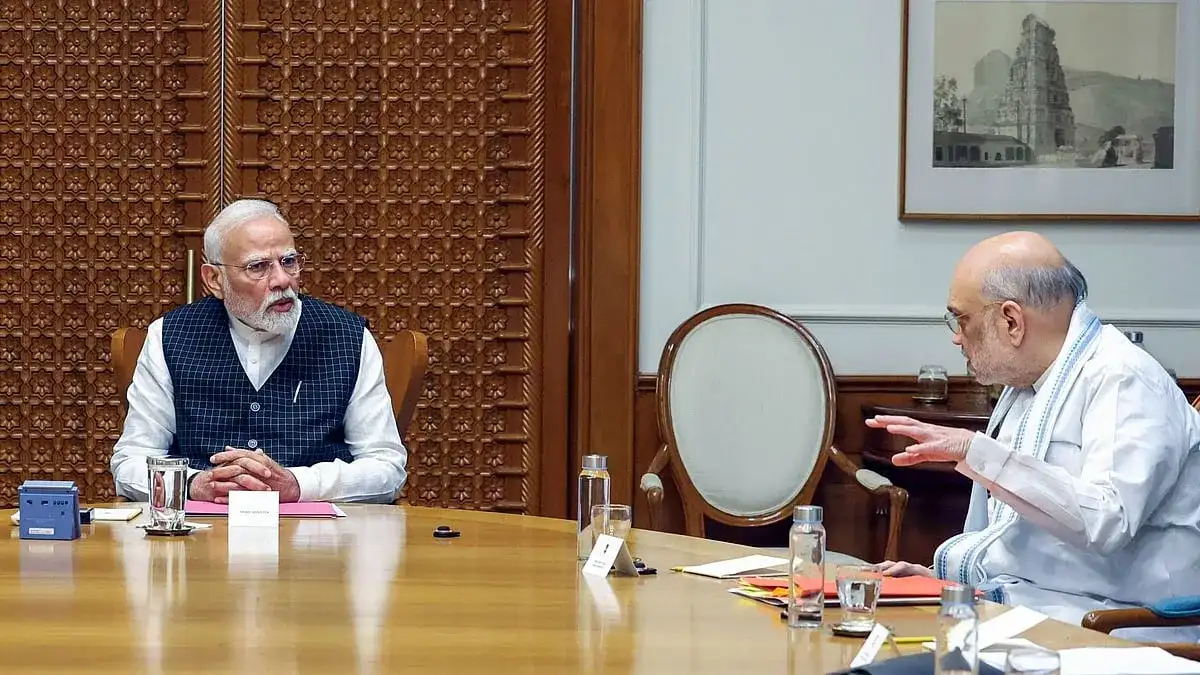
Visits by national leaders, including Prime Minister Narendra Modi and Union Home Minister Amit Shah, underscore the high stakes for the BJP in Assam. These visits are framed as opportunities to showcase the state's evolving infrastructure, bolster economic confidence, and foster direct engagement with the populace. Plans include the unveiling of an 80-foot statue of Lokpriya Gopinath Bordoloi, the first Chief Minister of Assam, and Prime Minister Modi's first visit to the Assam Movement Martyrs’ Memorial.
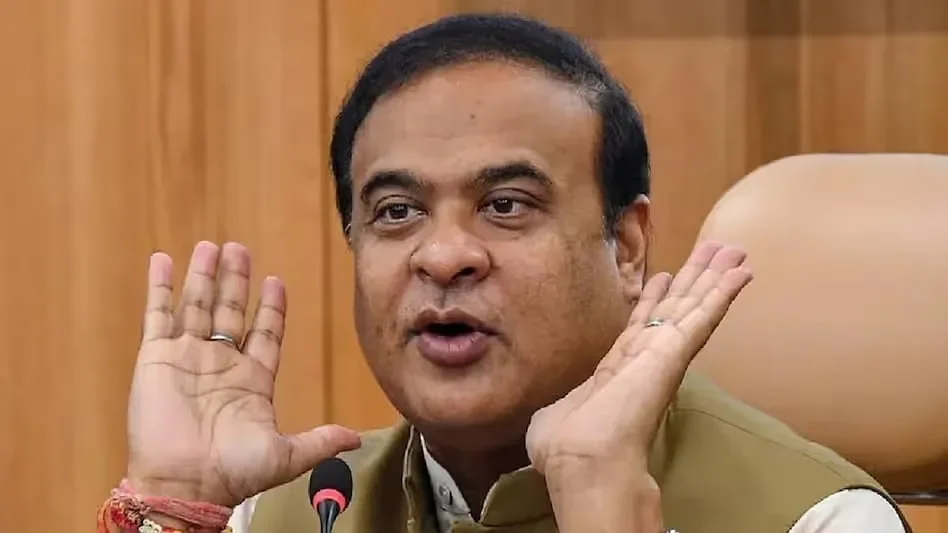
Prime Minister Modi himself has articulated a vision for Assam's development, projecting it as a future semiconductor hub and emphasizing the integral role of the state's progress in achieving a developed India. He has also highlighted welfare measures, such as the provision of permanent housing to over 22 lakh families, with plans to extend this to an additional 15 lakh. The invocation of Assamese icons like Lachit Borphukan and Bhupen Hazarika further serves to connect the party's agenda with the state's cultural heritage.
Read More: New ways to measure AI's impact on jobs and economy
Historical Context: Shifting Perceptions and Political Trajectories
The BJP's current political positioning in Assam is the culmination of a significant electoral trajectory over the past 15 years. This period has seen a marked shift in the political landscape, with the BJP gaining substantial ground against established parties. The party's strategy, often described as "precision politics," appears to leverage both broad development promises and targeted identity-based appeals to consolidate its influence across diverse demographics within the state. The emphasis on a "developed India" being dependent on Assam's progress signals a national ambition linked to regional development narratives.