A recent spate of reports and commentary highlights a perceived deficit in male role models for young boys across Britain. These observations coincide with trends pointing to declining happiness, educational underperformance, and shifts in family structures. The core assertion is that boys, particularly those from white working-class backgrounds, are experiencing a vacuum in guidance, impacting their well-being and academic trajectories.

A study indicated that only 27 percent of boys aged 10 to 15 reported being "completely happy," a drop from 36 percent approximately 15 years prior. This period also saw a significant decrease in the availability of youth clubs, with reports suggesting a reduction of one thousand such establishments over the past fifteen years.

Educational Outcomes Raise Concerns
The educational landscape for some demographic groups appears particularly stark. The proportion of white working-class pupils achieving grades five or higher in GCSE English and Maths was reported at 18.6 percent. This figure is contrasted with national averages, which are substantially higher. For white British pupils on free school meals, only 35.9 percent achieved a grade four or higher in GCSE Maths and English, a figure noted as being seven percent lower than the overall average and the lowest among ethnic groups.
Read More: Black Americans Hold Different Views on Race, Rice University Study Finds

Societal Shifts and the "Family Breakdown" Narrative
Commentary frequently links the alleged lack of male role models to broader societal changes. The report suggests that more young boys now grow up with a smartphone than with a father figure in the home. This observation is situated within a context of "family breakdown," a phrase used to describe evolving family structures.

Mentorship and Support Networks
Data suggests that while overall access to mentors is relatively common for boys and young men aged 12 to 21, a sizable minority lack specific male mentorship. For instance, 38 percent reported not having an adult male they could turn to for help with schoolwork, and 43 percent lacked a male contact for relationship advice. Regarding future planning, one in four boys and young men did not have an adult male to whom they could turn for guidance.
Diverse Perspectives Emerge
However, not all analyses frame the issue as a simple case of "absent dads." Some research indicates that many men do wish to be more involved and are actively participating in creating support networks for fathers. This perspective suggests that systemic challenges, rather than a singular lack of paternal presence, shape parenting experiences. Efforts are noted to involve fathers in addressing these complex issues.
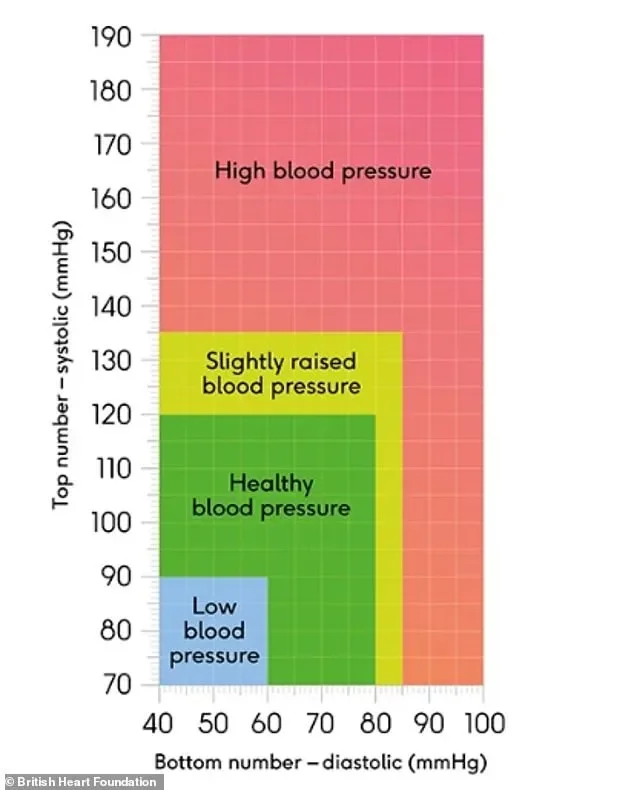
Read More: UK adults with high blood pressure: One in three affected, impacts ejaculary function
Background Context
The discussions surrounding "lost boys" and the perceived crisis of masculinity have become prominent in political and cultural discourse. This dialogue often references claims that Britain has "failed" white working-class boys, who are frequently identified as the lowest-performing demographic in English schools. The issue has also been framed within broader conversations about the "manosphere" and potential influences on younger generations. Some groups, such as the Church, have been suggested as potential institutions to provide increased male role models.