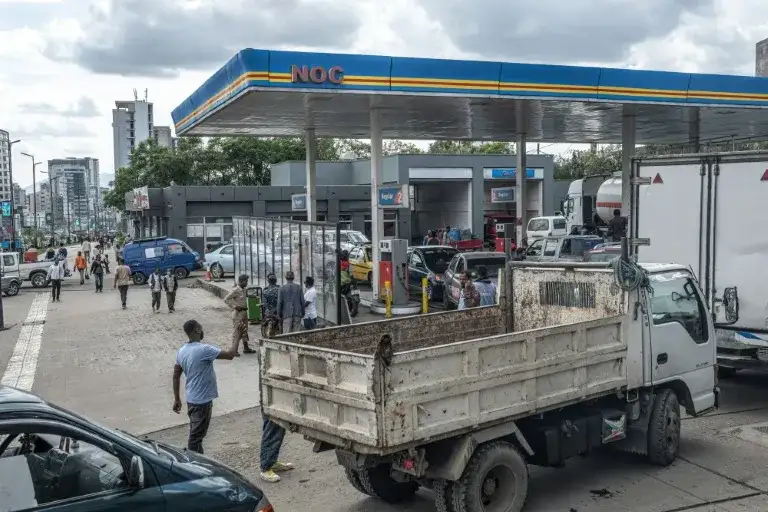
A report highlights that the ongoing conflict in the Middle East poses a serious risk to Africa, threatening to slow economic growth and exacerbate existing cost-of-living pressures across the continent. The conflict's disruption to global trade routes, energy supplies, and fertilizer markets is seen as a primary driver of these economic strains.
The Middle East accounts for a significant portion of Africa's trade, with 15.8 percent of African imports and 10.9 percent of exports flowing through the region. This deep trade interdependence means that instability in the Middle East directly impacts African economies, increasing the cost of essential goods and hindering export opportunities.
Economic Slowdown and Currency Woes
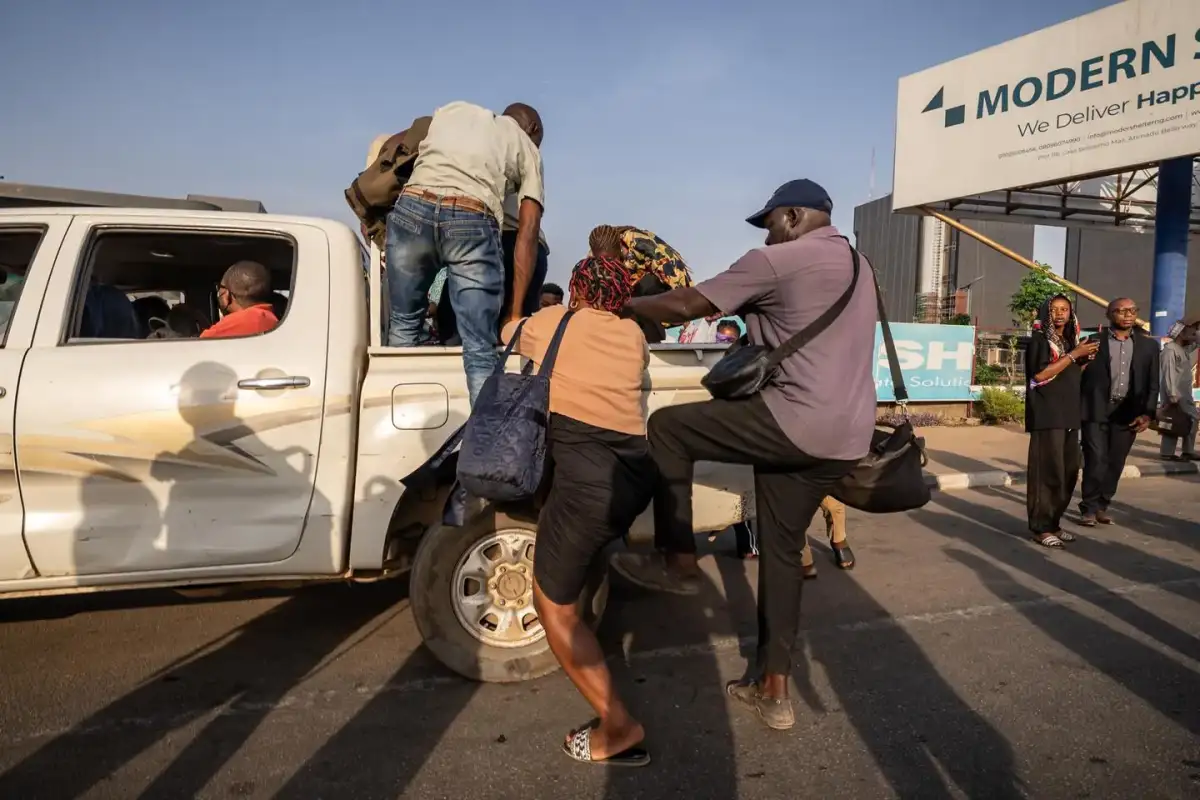
The report indicates that many African countries are already experiencing growth rates slower than those observed before the COVID-19 pandemic. The Middle East conflict is poised to further curtail this growth, with some projections suggesting a potential reduction of 0.2 percentage points in Africa's 2026 growth.
Read More: Assam Semiconductor Plant: Will Jagiroad Jobs Help Local People?
Adding to these economic pressures, the currencies of 29 African countries have already depreciated, according to data from the African Development Bank (AfDB). This currency devaluation increases the burden of servicing external debt, makes imports even more expensive, and depletes foreign exchange reserves, creating a precarious financial situation for these nations.
Potential Short-Term Gains and Shifting Trade Routes
While the overall outlook is concerning, some African nations might see marginal, short-term benefits. Countries like Nigeria, due to its oil exports, and Mozambique, for its liquefied natural gas (LNG) production, could experience temporary advantages.
Furthermore, the rerouting of global shipping around the 'Cape of Good Hope' is beginning to benefit certain African ports. Ports in Mozambique, South Africa, Namibia, and Mauritius are experiencing increased traffic as ships seek alternative routes to avoid disruptions in traditional shipping lanes. This shift, however, is a consequence of the instability, not a sign of broader economic improvement.
Read More: US F-15 Jet Crashes in Iran, One Pilot Rescued, One Missing

Looming Fertilizer Crisis and Geopolitical Competition
A particular point of concern is the looming fertilizer crisis. Disruptions to supply chains and rising costs for fertilizers threaten agricultural output across Africa, potentially leading to food shortages and further inflaming the cost-of-living crisis.
Beyond immediate economic impacts, prolonged instability in the Middle East could also intensify geopolitical competition on the African continent. Major global powers, including the United States, China, and Russia, alongside Gulf states, may increase their efforts to expand their influence in Africa amidst the shifting global landscape.
Policy Recommendations and Vulnerable Nations
The report, presented at the UN's Economic Commission meeting in Tangier, urges African governments to take swift action. Recommendations include strengthening domestic revenue collection, coordinating fuel procurement, establishing emergency food corridors, saving windfall oil revenues, and deploying targeted social protection measures.
Fragile states such as Sudan, Somalia, and Libya are identified as particularly vulnerable to intensified external involvement. Humanitarian operations in the Horn of Africa also face increasing costs and logistical challenges due to the conflict.
Read More: West Bengal potato farmers lose money after record harvest
Context: Pre-existing Economic Fragilities
These emerging threats come at a time when many African economies are already grappling with sluggish growth and high debt levels. The report from the UN's Economic Commission for Africa emphasizes that the current shocks are transmitting more rapidly and through more concentrated channels than past global disruptions, leaving African economies with little time to adapt. The findings underscore the need for coordinated action to build resilience and foster self-reliance across the continent.