The Past's Persistent Queries About Women and the Ballot
A century ago, a segment of women actively opposed extending voting rights to their own sex. This anti-suffrage movement, though ultimately unsuccessful, raised concerns about women's preparedness for political engagement and the societal shifts such participation would instigate. These arguments, rooted in notions of policy and expediency rather than inherent rights, continue to resurface in discussions surrounding women's roles and political involvement. The core of their dissent centered on whether women possessed sufficient knowledge of national affairs to cast informed votes and how increased public responsibilities would alter traditional domestic duties and gender dynamics.
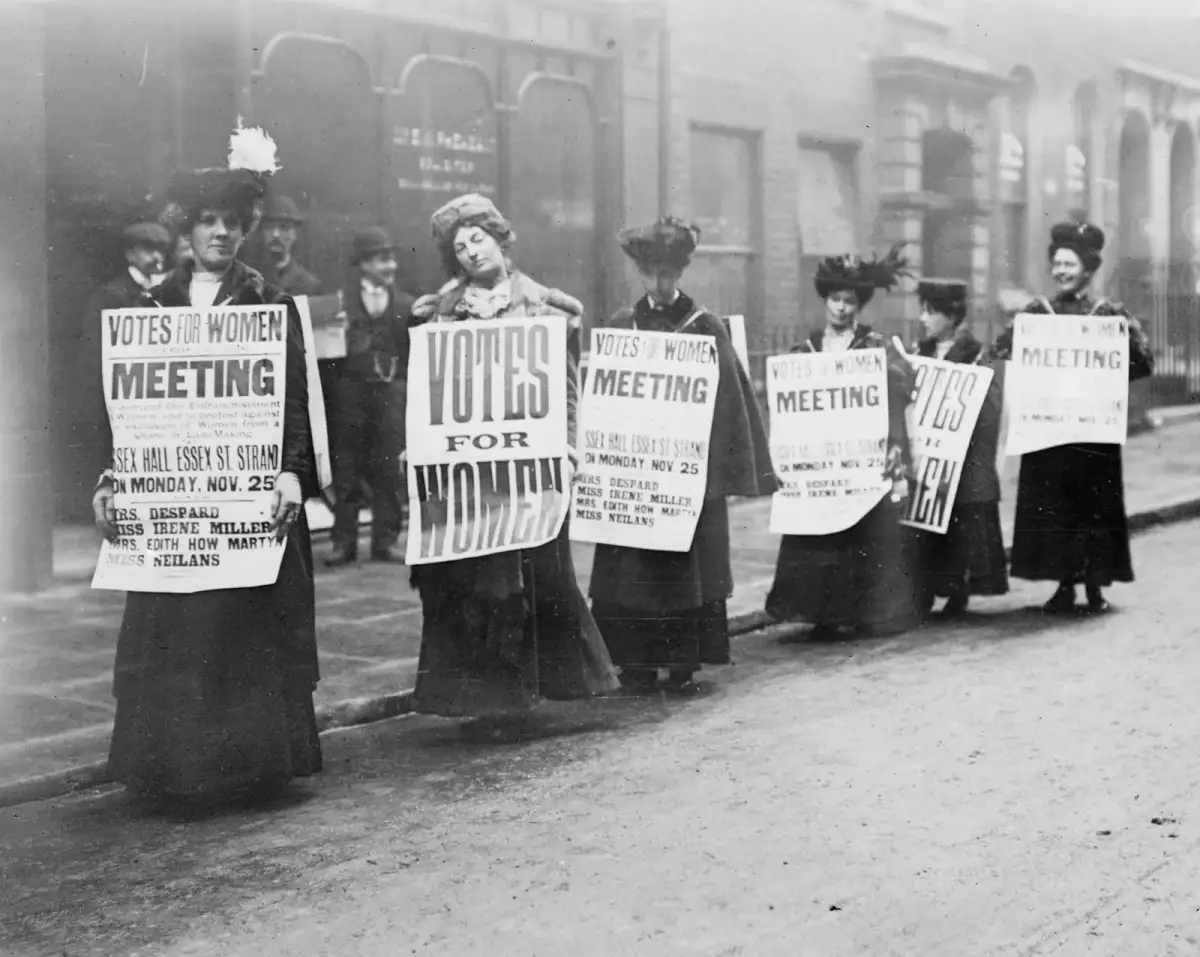
Women's Political Capacity and Societal Roles: The Anti-Suffrage Stance
The opposition to women's suffrage was not monolithic, yet common threads emerge. A significant concern revolved around the perceived lack of knowledge women held regarding national matters. Arguments were made that extending the vote would simply "double the vote," potentially amplifying undesirable and corrupt urban influences. Furthermore, a central tenet of the anti-suffrage position was the idea that voting, by its nature, implied immunity from executing the law, thereby making women irresponsible voters. This viewpoint posited that suffrage was a matter of policy, not justice, and that women's primary societal role was intrinsically linked to the home and family, a sphere potentially disrupted by active political participation.
Read More: 2500-Year-Old Dacian Helmet Stolen From Drents Museum in Netherlands Recovered After Plea Deal
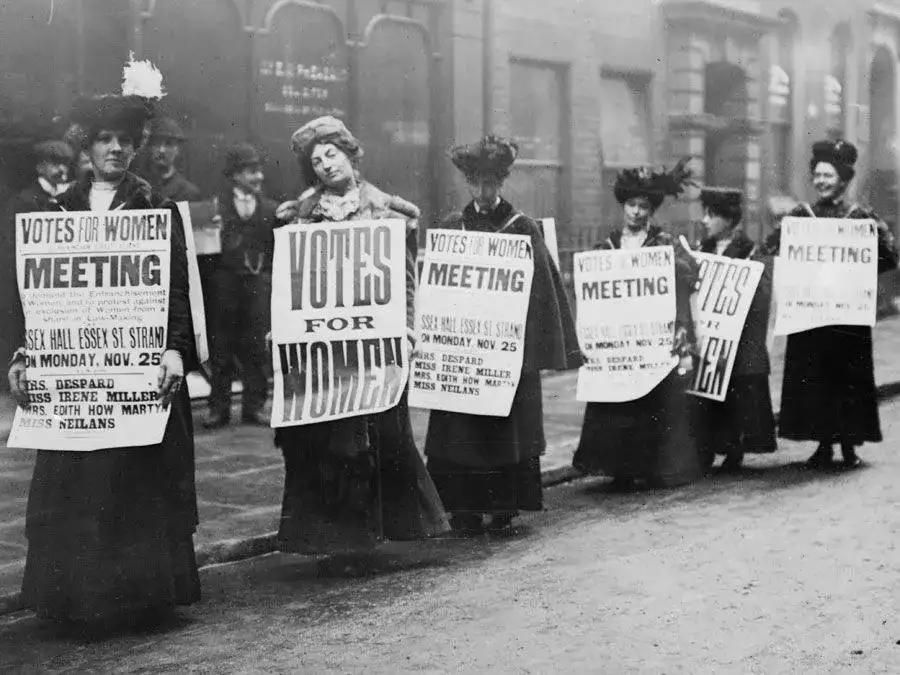
The movement found its voice through organizations like the Women's National Anti-Suffrage League (WNASL), which published materials like the 'Anti-Suffrage Review'. Figures such as Mrs. Humphry Ward were prominent, articulating concerns that mirrored those of conservative male anti-suffragists. These women often argued that their opposition stemmed not from a dislike of women, but from a specific vision of how society should function, one where women's engagement in the public sphere would necessarily create conflict with their roles as caretakers of children and disrupt established gendered divisions of labor. The historical record shows these women formed a significant, nationwide force that aimed to influence conservative thought across generations.
Read More: Women Entrepreneurs See No Money Gain From Startup Accelerators in Unequal Countries
Historical Context and Lingering Debates
Historically, the exclusion of women from the voting process was embedded in deep-seated societal views and formal legal structures. The struggle for women's suffrage, exemplified in nations like the United Kingdom and the United States during the 19th and 20th centuries, was a protracted one. While the suffrage movement celebrated victories, the extension of voting rights was not universally applied. In the United States, for instance, the passage of the 19th Amendment did not immediately grant suffrage to all women, with Black women in the South facing continued disenfranchisement through mechanisms like Jim Crow laws. This period was also marked by internal conflicts within the suffrage movement itself, including instances of racism that complicated the broader fight for equality. The ongoing discussions surrounding the 19th Amendment's vulnerabilities and unequal application highlight how debates about who gets to vote, and under what conditions, remain a complex aspect of democratic discourse.