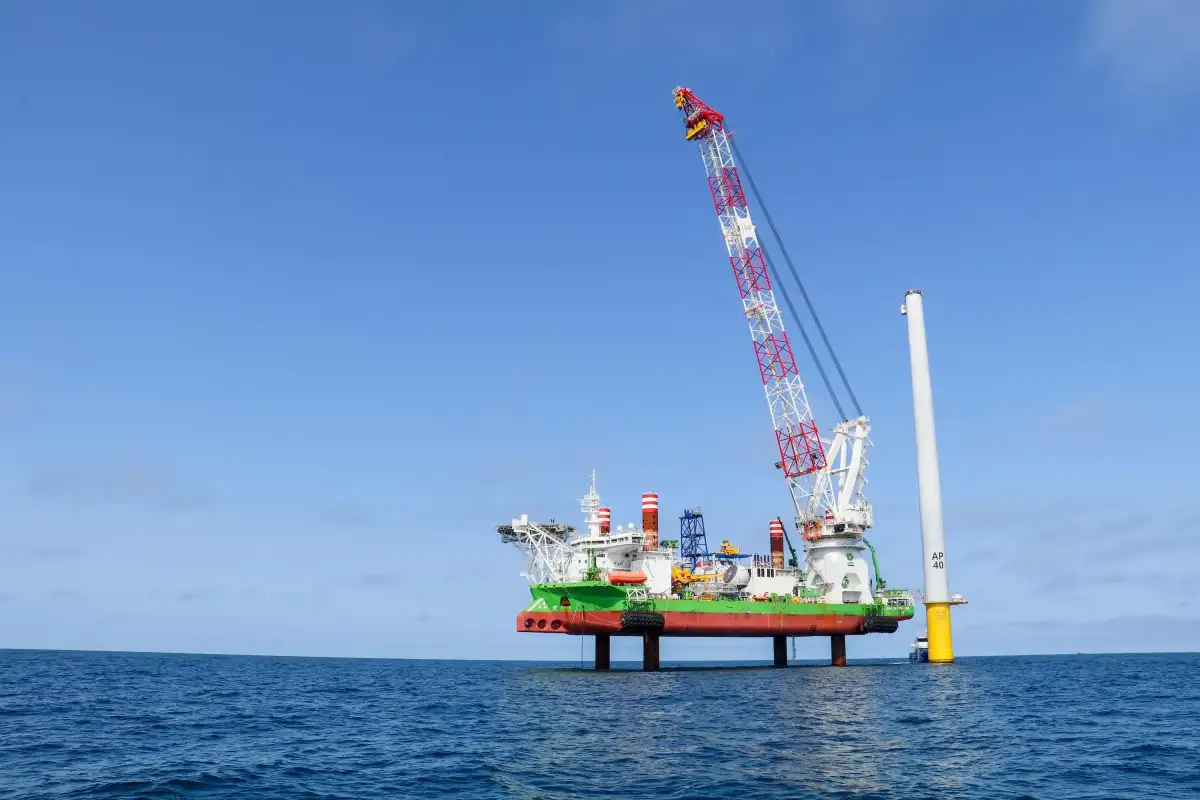
A series of legal battles are unfolding as developers of major offshore wind farms push back against the Trump administration's stop-work orders, which cite national security risks. Several federal judges have now granted preliminary injunctions, allowing projects like Vineyard Wind to resume construction after significant delays.
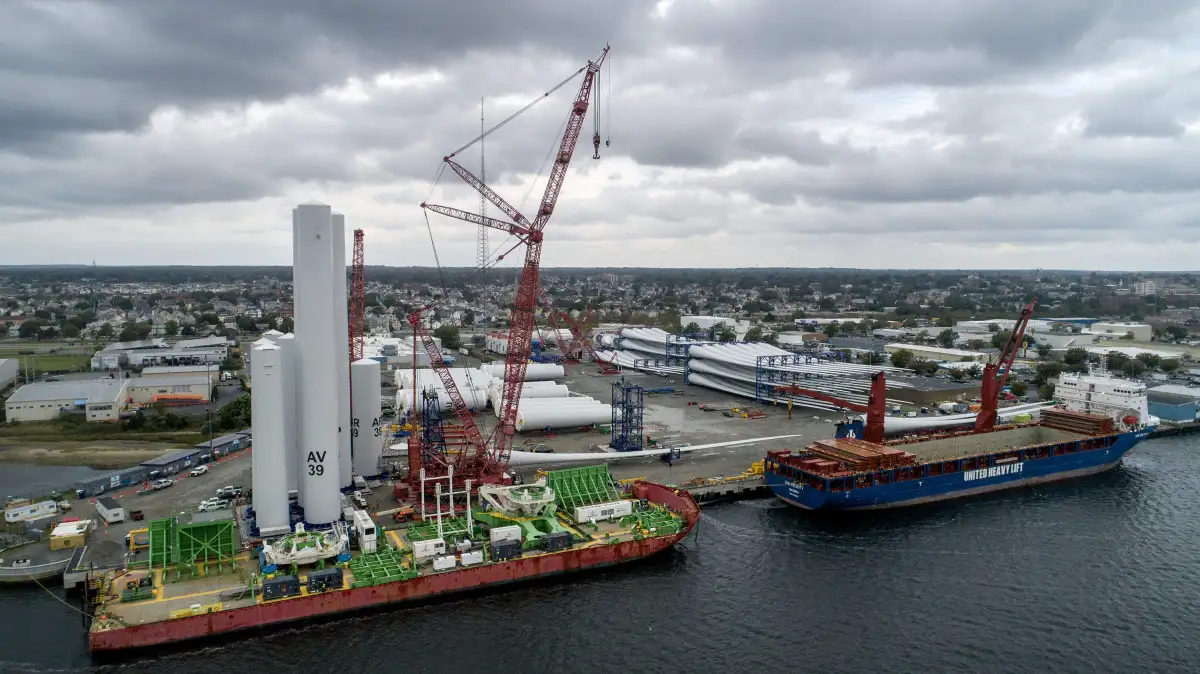
Legal Reprieves and Lingering Tensions
Federal courts are increasingly siding with offshore wind developers who have challenged the Trump administration's directives to halt construction. Vineyard Wind, the nation's first large-scale offshore wind project, has secured a critical reprieve, with judges allowing work to continue. This follows similar rulings for other projects, including Revolution Wind, which has also seen stop-work orders lifted by judicial intervention. The administration's justification for these halts has centered on alleged national security threats posed by offshore wind turbines, a claim met with skepticism by both developers and some legal bodies.
Read More: Donkarayi Power House Undergoes Major Work After 13 Years

The administration's actions have been characterized as an attempt to freeze construction on key East Coast projects.
Developers argue these orders cause irreparable harm, including significant economic losses and job threats.
Judges have cited the likelihood of developers succeeding on their claims and potential economic fallout as reasons for granting these reprieves.
Industry Under Fire
The offshore wind sector, heralded by some as a crucial component of clean energy transition, finds itself caught in a protracted conflict with the federal government. The Trump administration's stance has been notably critical, with the former president himself reportedly calling wind farms "losers." This rhetoric underscores a broader political tension surrounding renewable energy development.
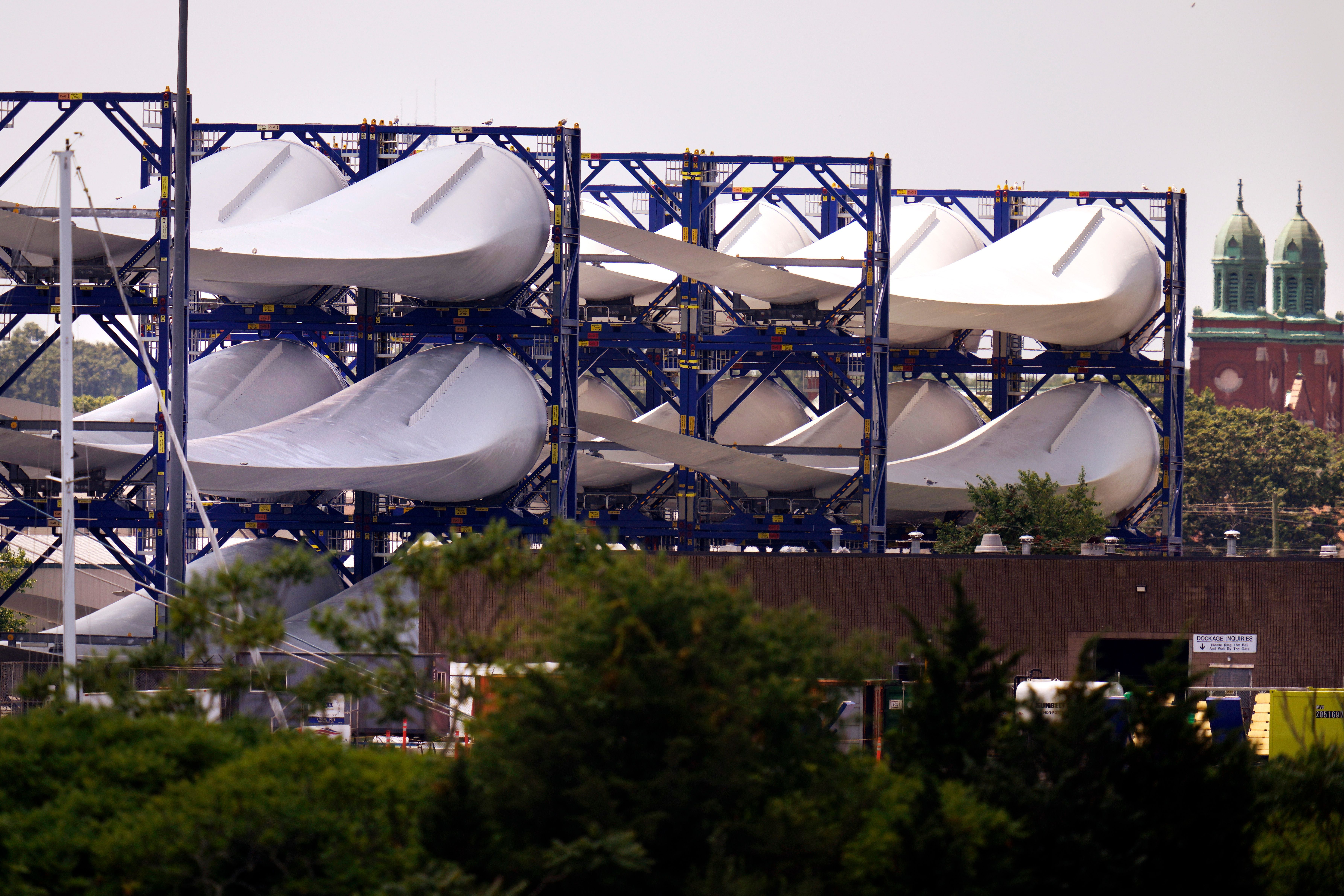
Vineyard Wind's legal action was one of the latest in a series of lawsuits filed by developers.
Revolution Wind and other projects also pursued legal avenues after facing similar work stoppages.
Concerns about the national security implications of offshore wind have been amplified, though the specifics of the classified information cited remain largely undisclosed to the public.
Project Milestones and Setbacks
Despite the legal imbroglios, some projects are reaching significant construction milestones. Vineyard Wind recently completed its construction, installing its final turbine blades. Concurrently, Revolution Wind has begun transmitting power to the grid, signaling progress even amidst the administrative hurdles. These achievements, however, are shadowed by the ongoing legal disputes and the uncertainty they cast over future developments.
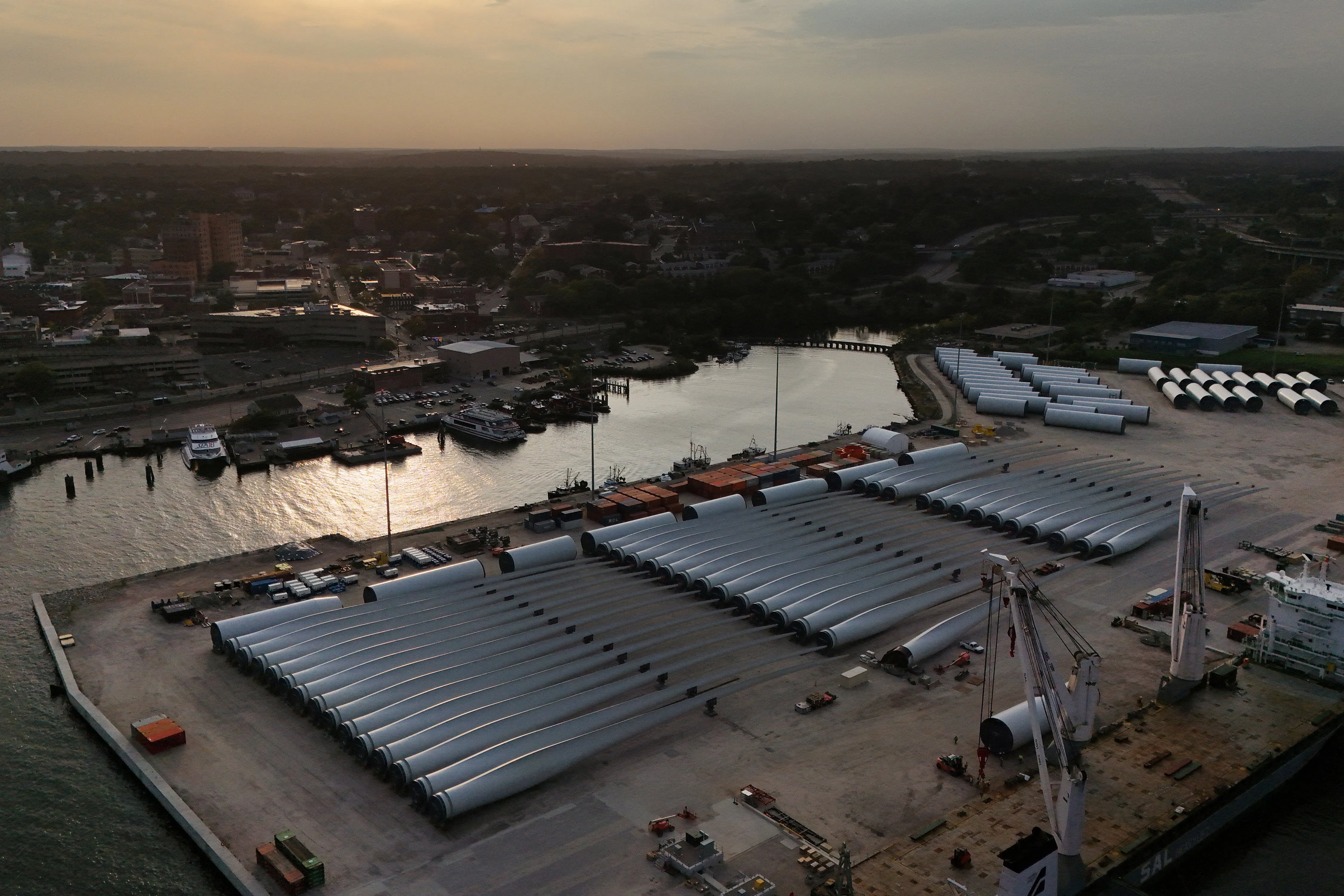
Vineyard Wind's completion marks a notable achievement for the nascent U.S. offshore wind industry.
The project faced a complex and lengthy federal permitting process, making it a focal point for industry observers.
Other projects, such as Empire Wind and Sunrise Wind, have also experienced similar stop-work orders and subsequent legal challenges.
Background: A Pattern of Disruption
The current wave of litigation follows a pattern of administrative disruption. In late December 2025, the Trump administration issued broad stop-work orders impacting at least five major offshore wind projects along the East Coast. This decision came shortly after a federal judge overturned an earlier, indefinite halt on new wind energy project permits. The administration's stated rationale—national security—has been a recurring theme in its opposition to offshore wind, leading to repeated clashes with developers and, at times, with judicial oversight. The industry has expressed frustration over these delays, pointing to the extensive federal reviews already conducted for these projects, which they contend addressed various concerns, including national security.
Read More: Prince Harry Sued for Defamation by Charity Sentebale He Co-Founded