A recent ruling by the Supreme Court of Eswatini has sided with four men deported from the United States to the African nation, granting them access to legal counsel. This decision comes after a protracted nine-month legal battle where the men were systematically denied meetings with lawyers. The court's judgment overturns a previous lower court decision that had allowed local lawyer Sibusiso Nhlabatsi, working on behalf of U.S.-based attorneys, to meet with the deportees. The Eswatini government had immediately appealed that initial ruling.

The core issue is the protracted denial of basic legal access to individuals deported by the U.S. to Eswatini, raising fundamental questions about due process and the human rights implications of third-country deportation agreements.
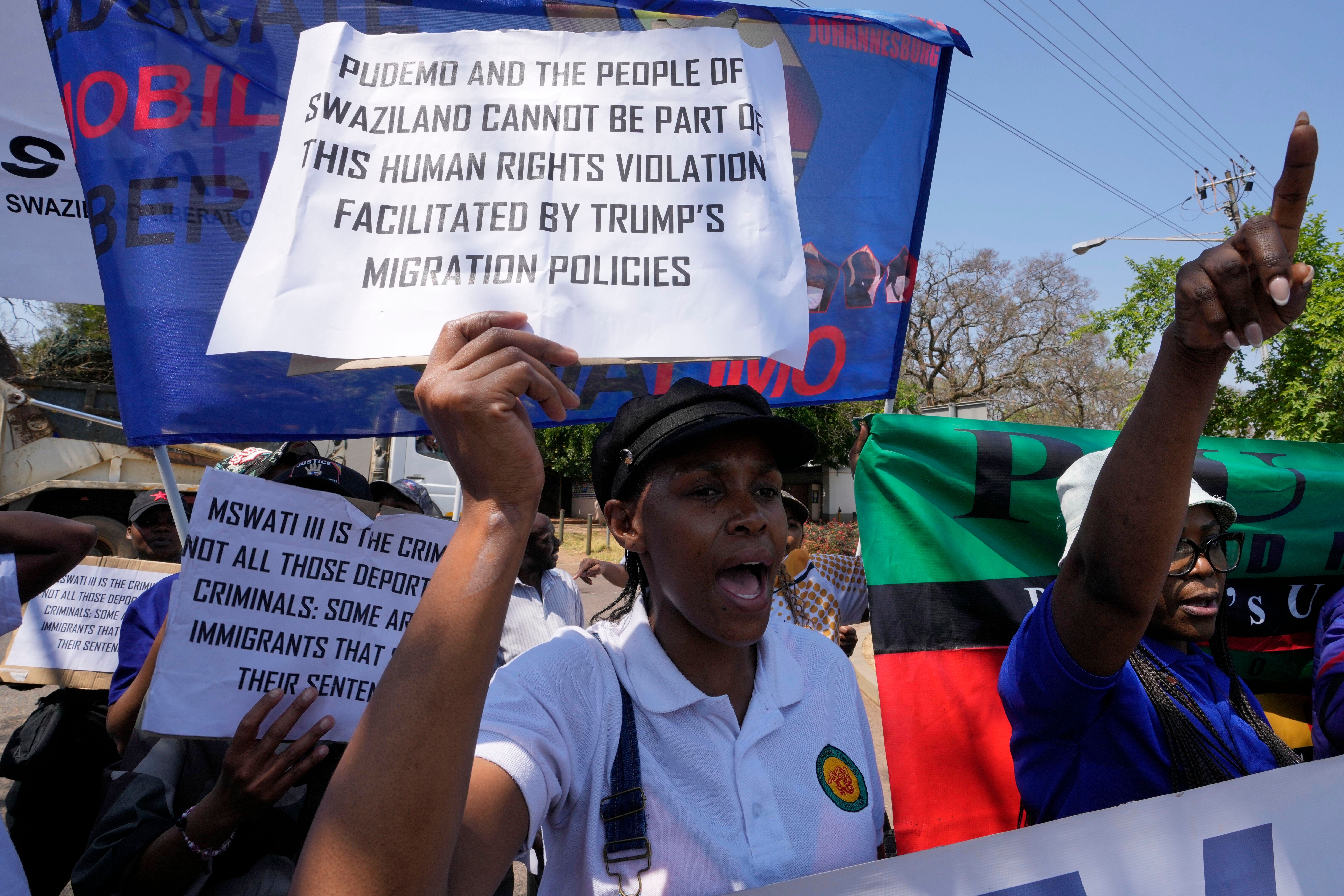
Lawyers for the men argue that their continued detention at Eswatini’s maximum-security Matsapha Correctional Complex is unlawful, as they have not been charged with any offenses in the country. Alma David, a U.S.-based lawyer with Novo Legal Group representing two of the men, stated that the nine-month legal fight to simply allow attorney meetings "speaks volumes about how hard the government of Eswatini is fighting to deny these men the most basic of rights." The Eswatini government has not immediately commented on the Supreme Court's latest ruling.
Read More: Supreme Court May Order Ayodhya Temple Fund Audit Due to Theft Claims
Background: A Pattern of Deportation and Legal Challenges
Eswatini is among at least eight African nations that have entered into agreements with the U.S. government to accept deported migrants who originate from other countries. The four men in question, as well as an initial group of five, were convicted of serious crimes in the U.S. and were subject to deportation orders. U.S. authorities have characterized these individuals as dangerous criminals, some with convictions for murder, stating they were sent to Eswatini because their home countries allegedly refused to take them back. This contradicts statements from some nations, like Jamaica, whose foreign minister has denied refusing to accept deportees.
Read More: Fikra API Africa Mobile Money AI Access for Developers
The deportations are part of an expanded third-country deportation program, a policy linked to the Trump administration. This program has drawn criticism for potentially violating deportees' legal rights in countries with questionable human rights records and to which the deportees have no prior ties. Non-profit organizations in Eswatini have accused authorities of employing delaying tactics to sidestep scrutiny of these cases. Concerns were also raised when the men initially arrived, with Eswatini authorities reportedly holding them in solitary confinement, a move criticized by lawyers as a denial of due process. The U.S. Department of Homeland Security has maintained that the men with criminal records were deported to Eswatini under these agreements.