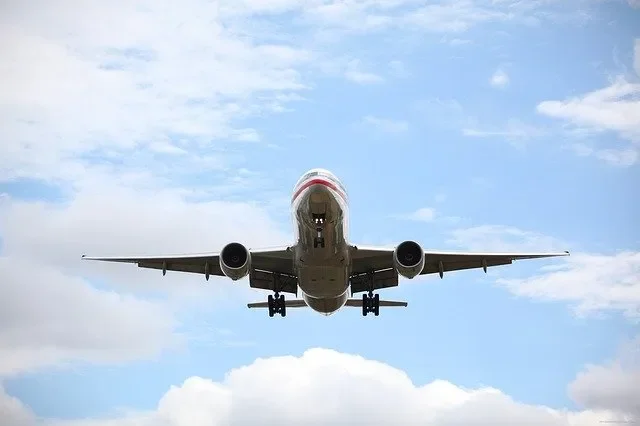
British Airways is significantly restructuring its summer flight schedule, channeling capacity towards India and Africa while curtailing services to the Middle East. This strategic shift, driven by ongoing regional instability and a surge in demand for non-Gulf routes, sees the airline bolstering its India network to an unprecedented level.

India Becomes a Central Hub
British Airways is slated to operate a total of 63 weekly flights between the United Kingdom and India this summer. This expansion includes adding a third daily service from Delhi to London Heathrow, commencing on April 7, 2026, and a third daily flight from Mumbai to London Heathrow beginning May 15, 2026. These additions collectively introduce over 1,000 extra seats weekly. The airline is also increasing its flights to Bengaluru and Nairobi, Kenya.

"The airline is reallocating capacity amid the evolving West Asia situation."- Neil Chernoff, British Airways' chief planning and strategy officer
Middle East Service Contracts
Concurrent with the ramp-up in India, British Airways is implementing a scaled-back schedule for its Middle East operations. Flights to Dubai will be reduced from three daily services to one. Services to Doha, Tel Aviv, and Riyadh will also be halved, moving from two daily flights to a single daily service. The London-Jeddah route is being eliminated entirely from April 24, 2026. Flights to Larnaca, Cyprus, are scheduled to resume on May 22, 2026.
Read More: Fresno Airport $85 Million Funding Boost Improves Travel in April 2026
Wider Industry Trend
This strategic pivot by British Airways mirrors a broader trend among European carriers. Airlines such as Lufthansa and SWISS Air are also expanding their flight frequencies to India, capitalizing on the disruption to traditional routes through the Gulf. Lufthansa, for instance, is adding flights to Chennai, Delhi, Hyderabad, and Bangalore from its Frankfurt and Munich hubs. This surge in non-Gulf connectivity is creating an "unprecedented surge" in bookings for these routes.
Underlying Factors and Future Implications
The restructuring is a direct response to "Middle-East turbulence" and airspace restrictions stemming from the ongoing Iran war. This situation has rendered traditional one-stop corridors between India and Europe untenable, pushing passengers towards alternative routes.
Read More: Margaret River Named World's Best Wine Place
"As the crisis evolves, the balance between Gulf and non-Gulf routings is likely to remain one of the most closely watched dynamics in the India–Europe aviation market."
Analysts suggest this network shift aligns with a long-term strategy for British Airways to diversify away from volatile geopolitical regions and tap into India's expanding corporate travel market. The airline is also enhancing its onboard product, including the introduction of Starlink connectivity, to maintain its competitive edge in this high-growth sector.
The increased flight frequencies to India also coincide with a landmark trade mission involving UK CEOs and government ministers, underscoring the growing economic ties between the two nations. British Airways has a history of over 100 years in India, with approximately 2,500 employees based in the country.