


The NVIDIA GeForce GTX 295, an artifact of hardware design that materialized fifteen years ago, stands as a monument to the industry's historical obsession with raw throughput over architectural elegance. By bonding two GT200b graphics processors onto a single expansion board, NVIDIA engineered a performance-heavy solution that leaned heavily on Alternate Frame Rendering (AFR) to masquerade as a single, unified power source.
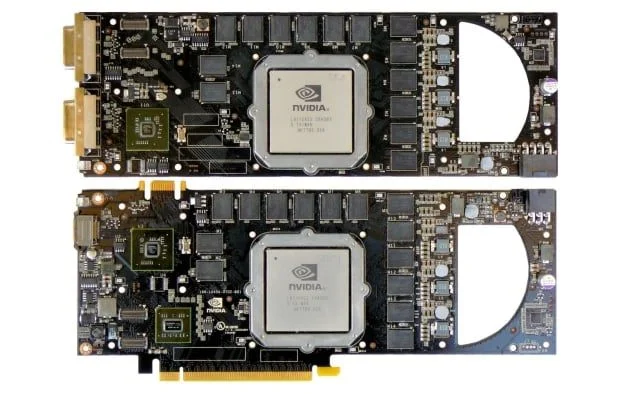
| Feature | Specification Details |
|---|---|
| GPU Architecture | Dual 55nm GT200b Cores |
| Memory Capacity | 1792MB Total (2x 896MB GDDR3) |
| Memory Interface | 2x 448-bit bus |
| Core Strategy | Multi-GPU SLI implementation |
The Architecture of Redundancy
Unlike a singular, optimized powerhouse, the GTX 295 was an asymmetrical hybrid. Its core specifications were notably pared down from the flagship GTX 280, effectively functioning as two down-clocked GTX 260 units operating in tandem. This choice—driven by thermal constraints and power delivery—demonstrates a recurring industry pattern where manufacturers prefer adding more chips to a board rather than perfecting the efficiency of one.
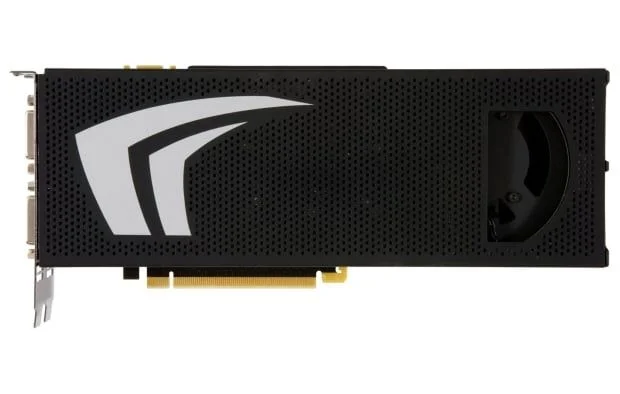
The card necessitated massive Power Consumption footprints, requiring high-output power supplies that were not standard for typical users.
The use of two PCBs on the initial reference models reflected a desperate, crowded engineering environment, prioritizing market-share dominance over internal space or cooling optimization.
Market Context and Historical Legacy
At its inception, the GTX 295 was a direct response to the ATI Radeon HD 4870X2. It represents a specific epoch where both major silicon manufacturers were engaged in a Multi-GPU arms race. This era—often romanticized as the pinnacle of PC enthusiasm—was actually defined by driver instability and scaling inefficiencies that often plagued AFR-based hardware.
Read More: Chrome mimeHandler API lets extensions handle file types
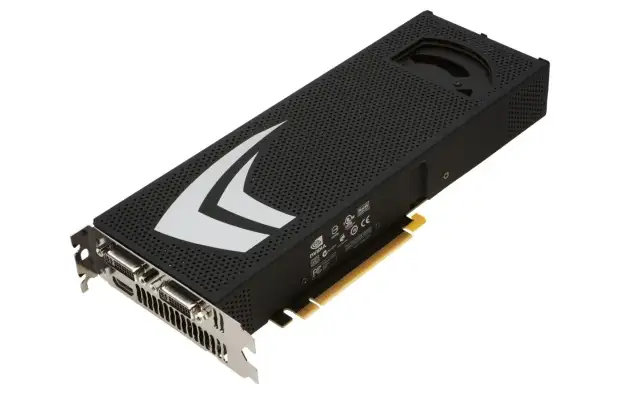
The card was not merely a product; it was a desperate tactical maneuver. With single-GPU architecture hitting physical scaling walls, firms turned to these "Frankenstein" cards to retain the top position on performance leaderboards. Following this period, NVIDIA would continue to experiment with dual-GPU layouts through the GTX 590 and the TITAN Z, though these products ultimately functioned as placeholders for future advancements in die shrinking and transistor density.
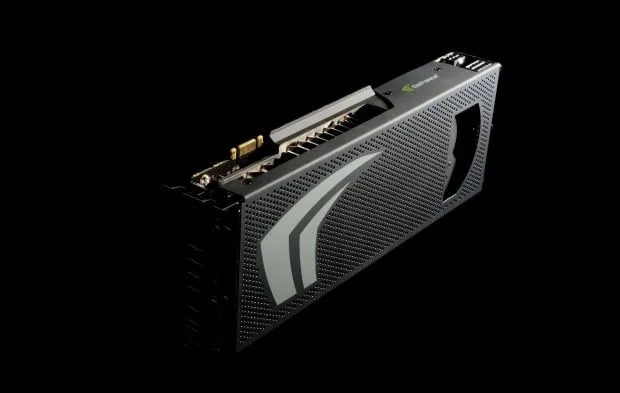
Today, the GTX 295 remains a signal of a past design philosophy—one where brute-force internal hardware communication attempted to bypass the inherent limitations of software-side synchronization. The industry has since pivoted away from such designs, favoring massive, highly efficient monolithic dies, leaving these dual-core cards as dense, complex curiosities of a less refined technical age.
Read More: GPU Power Growth 2009-2025: RTX 5090 vs Radeon HD 5870 Analysis



.png)

