As of 17 May 2026, the Eurovision Song Contest grand final concluded with the United Kingdom entry, Look Mum No Computer, finishing in the final position. While the performance faced widespread public dismissal, domestic audience reception remained anchored to the commentary provided by Graham Norton.

The broadcaster’s reputation has decoupled from the actual competition results, with audiences increasingly framing his sarcastic delivery as the primary utility of the broadcast rather than the musical performances themselves.

Analytical Snapshot: UK Performance vs. Reception
| Metric | Status | Public Perception |
|---|---|---|
| UK Entry Placement | Last Place | "Deserved nil points" / "Cringe" |
| Commentary Value | High | "Shining light" / "Worth watching" |
| Primary Audience Signal | Engagement | Viral validation of cynical critique |
The Mechanics of "Cringe"
Public discourse on platforms such as X reflects a shift in viewing habits where the competition acts as a scaffold for professional irony. By targeting hosts and specific acts with disparaging remarks—including commands for viewers to vacate the room during performances—Norton functions as an arbiter of taste for a cynical demographic.
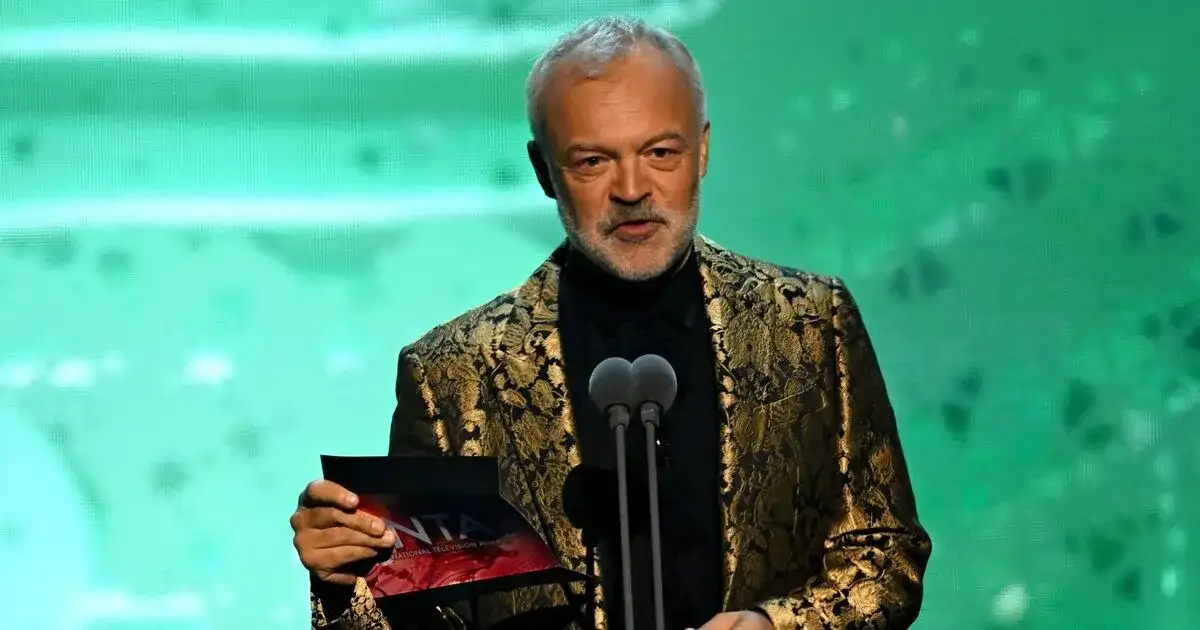
Audience Dependency: Social media data indicates a significant portion of the viewership treats the contest as a performance piece for the commentator’s 'zingers' rather than a genuine musical contest.
Dissonance: The recurring placement of UK acts at the bottom of the scoreboard is no longer treated as a shock but as a predictable failure, one which validates the sarcastic tone of the commentary.
Technical Hurdles: Historical data from 2025 shows persistent complaints regarding microphone volume, suggesting that audience frustration with technical quality often mirrors their intense focus on the clarity of the commentary itself.
Contextualizing the Spectacle
The Eurovision Song Contest relies on professional jury and public votes, yet the domestic perception in the UK has moved toward a model of ironic consumption. The current iteration—defined by the 2026 failure of the UK entry—demonstrates that the 'value' of the program to the British public is increasingly found in the detachment of the observer. The broadcaster does not merely narrate the event; they insulate the viewer from the perceived inadequacy of the show through the use of brutal sarcasm.
Read More: Delta Goodrem gets 4th place at Eurovision 2026

This trend—the prioritization of commentary over the subject—highlights a shift in how mass media events are validated by the public, specifically through the mediation of negative or detached critiques.