Immediate Consequences Spell Mass Starvation, Ocean Collapse
The direct and indirect results of any nuclear war, regardless of scale, point toward a profound disruption of global food systems and marine environments, potentially leading to widespread starvation and a prolonged collapse of oceanic life. Scientific modeling suggests that soot injected into the atmosphere would block sunlight, causing worldwide crop failures. This climatic disruption would cascade into catastrophic impacts on global food markets and agricultural production, decimating yields across the board. Estimates suggest that within the initial 72 hours, a significant portion of the Earth's population could perish.

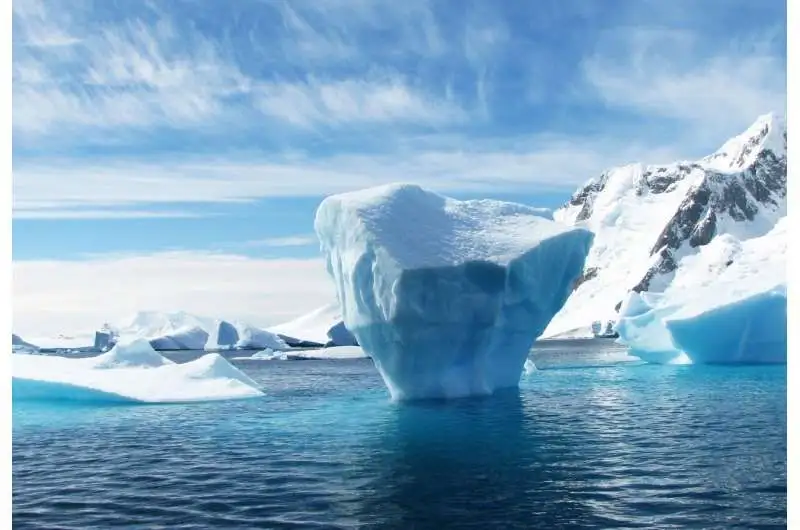
Beyond land-based agriculture, oceanic ecosystems are predicted to face rapid cooling and a surge in sea ice formation. Marine life would face extinction-level events, with recovery projected to take decades, if not longer. These shifts would not reverse existing global warming trends but rather introduce a new, devastating environmental crisis.
Read More: Amazon Land Use Changes Cause Disease Clusters in Brazil
Nuclear Winter's Reach: Famine and Ecological Devastation
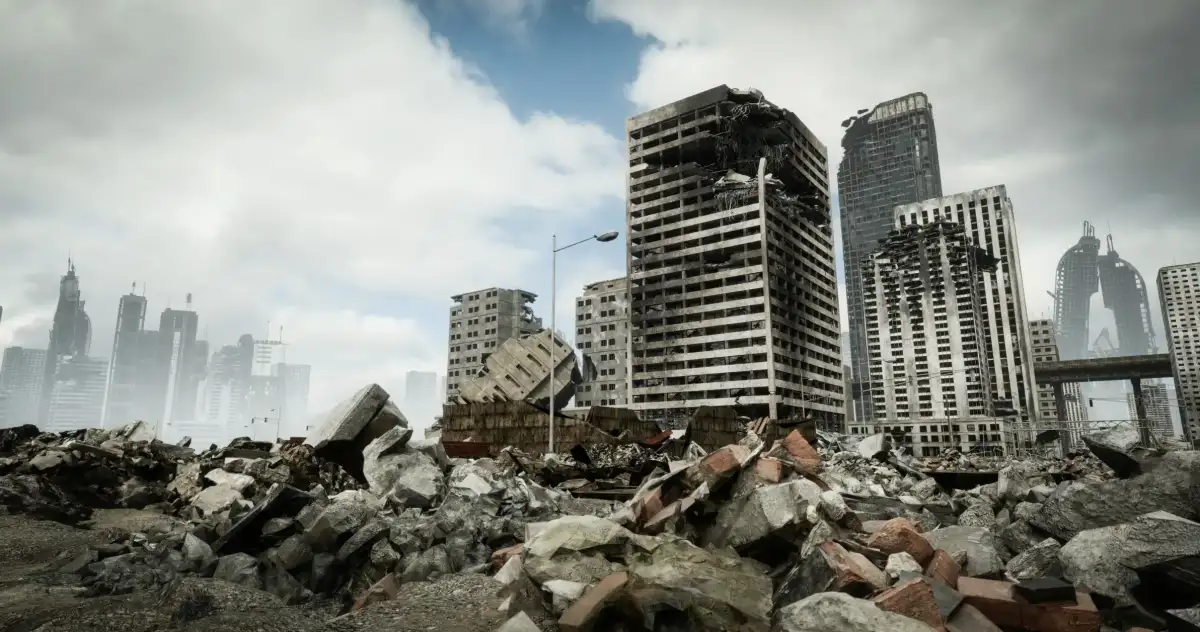
The concept of 'nuclear winter,' a well-established area of scientific inquiry, highlights the severe climatic consequences. Studies simulating various nuclear conflict scenarios, from regional disputes to large-scale exchanges, consistently predict drastic reductions in agricultural output. Even a limited conflict between nations like India and Pakistan is modeled to trigger global famine. This projected scarcity of food, coupled with the initial devastation of direct strikes and lingering radiation, presents a grim outlook for human survival.
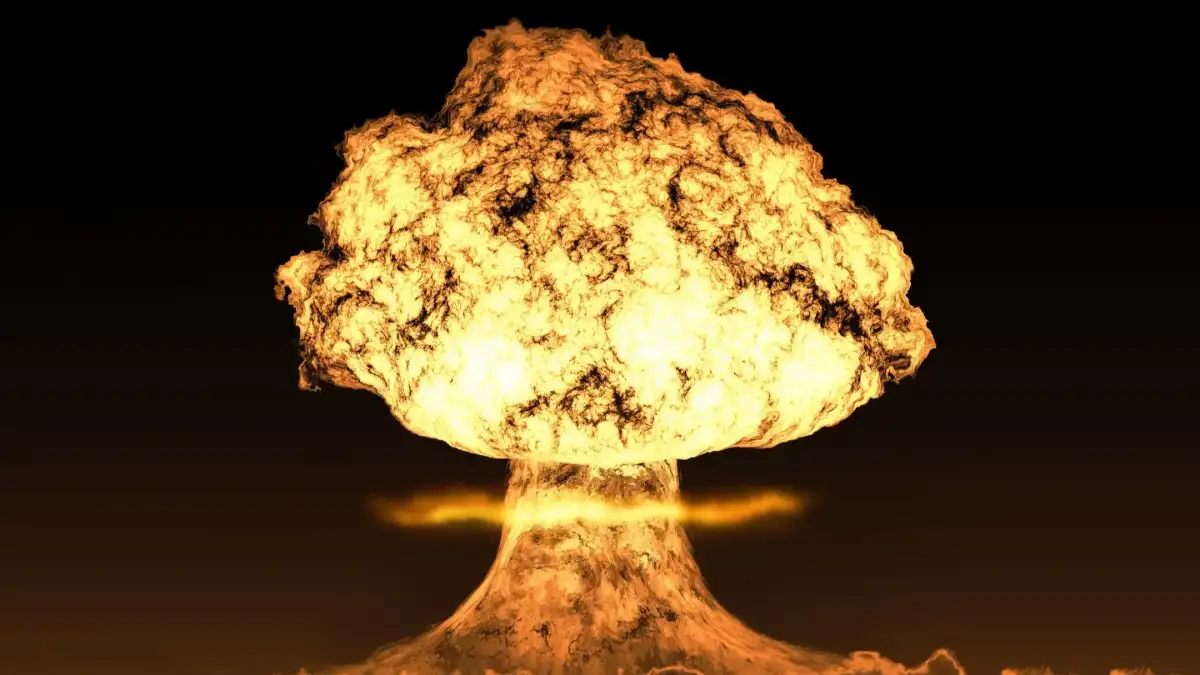
The aftermath would see even manageable medical issues become insurmountable problems in a world stripped of its modern infrastructure and resources. The consequences extend beyond humanity, impacting wildlife, plant life, and entire natural systems.
Background: A Persistent Threat
Concerns about nuclear conflict have resurfaced amid heightened geopolitical tensions, particularly in light of ongoing events in Ukraine. Nations such as Russia and the United States possess substantial nuclear arsenals, with some countries reportedly increasing their stockpiles. This backdrop of escalating nuclear readiness underscores the relevance of scientific assessments regarding the potential aftermath.
Read More: UN Panel Warns AI Risks Grow Faster Than Science and Rules
Research, including studies published in journals like Nature Food and AGU Advances, has sought to map the multi-faceted impacts of nuclear war. These investigations often involve interdisciplinary teams from various global institutions, aiming to provide the most scientifically grounded predictions using available data and modeling. The consensus among these scientific endeavors is clear: the devastation wrought by nuclear war would be global and long-lasting, underscoring the imperative to prevent such a conflict from ever occurring.