The Largest-Ever Magnetic Field Map Promises Deeper Cosmic Understanding
A groundbreaking map, the most extensive and detailed depiction of the universe's hidden magnetic fields yet created, has been unveiled. Dubbed SPICE-RACS, this new chart is five times the size of all previous magnetic field mapping efforts combined, signifying a major leap in our comprehension of cosmic forces.

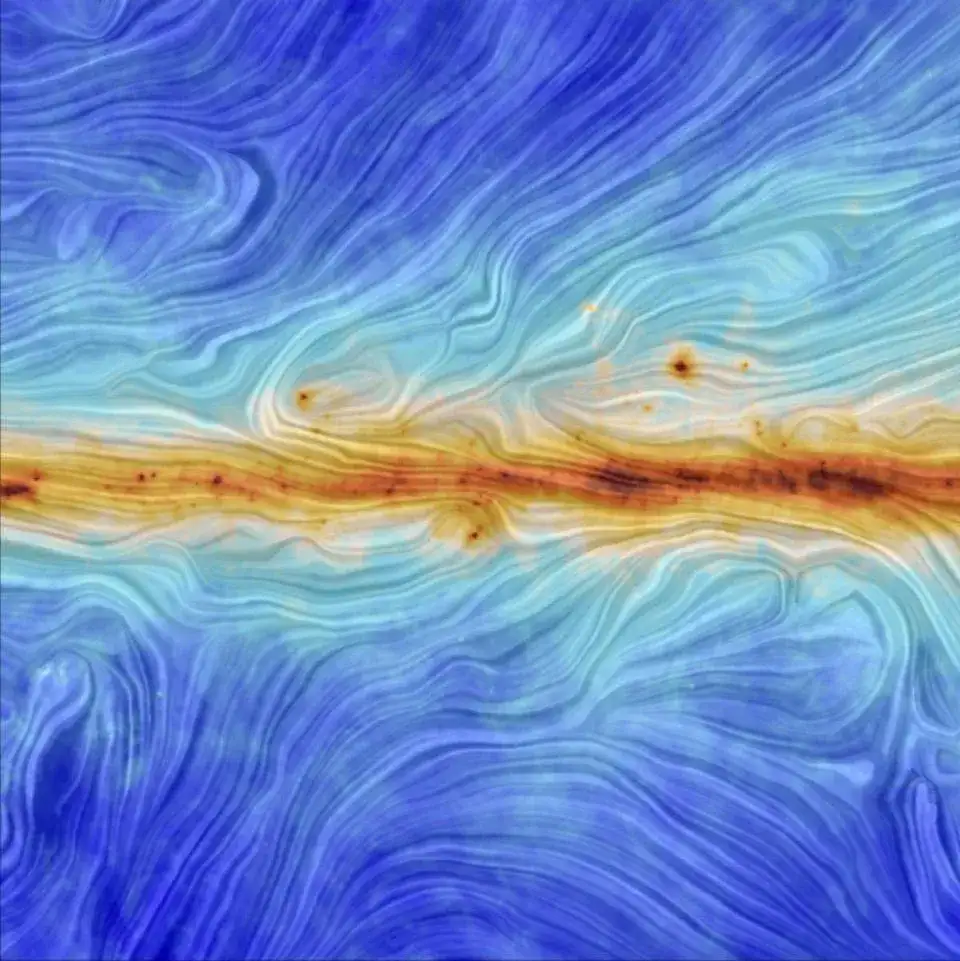
The map, assembled using data from CSIRO’s ASKAP radio telescope located on Wajarri Yamaji Country, operates on a fundamental principle: light, as it traverses space, twists in the presence of magnetic fields. By meticulously measuring this rotation, scientists can infer the presence and strength of these invisible structures.

Magnetic fields are understood to be fundamental constituents of the universe, shaping the evolution of galaxies, guiding the movement of matter, and influencing cosmic development over billions of years. Despite their pervasive presence and profound influence, their origins remain a persistent enigma.
Read More: Indigenous Data Rights Now Key in Conservation Genomics
Unlocking Cosmic Mysteries
This colossal map is poised to fuel a new era of research into intergalactic magnetism. It offers scientists the ability to probe fundamental questions concerning the physics governing the universe and our own galaxy.
“Magnetic fields greatly vary across the universe. With enough measurements, we can create a map of magnetic fields in the universe. We still don’t know how magnetic fields came to exist in the universe, but we do know they’re everywhere.”
The creation of such a comprehensive map was previously hampered by limitations, with earlier endeavors failing to even encompass the entirety of the southern sky.
The map's revelations extend beyond just magnetic fields. Recent radio sky surveys, like the LoTSS-DR3, have also brought to light previously elusive celestial phenomena. These include faint supernova remnants, merging galaxy clusters, and radio emissions possibly linked to exoplanets interacting with their parent stars. These findings have the potential to reshape theories about the formation and growth of supermassive black holes and the life cycles of galaxies.
A History of Magnetic Field Exploration
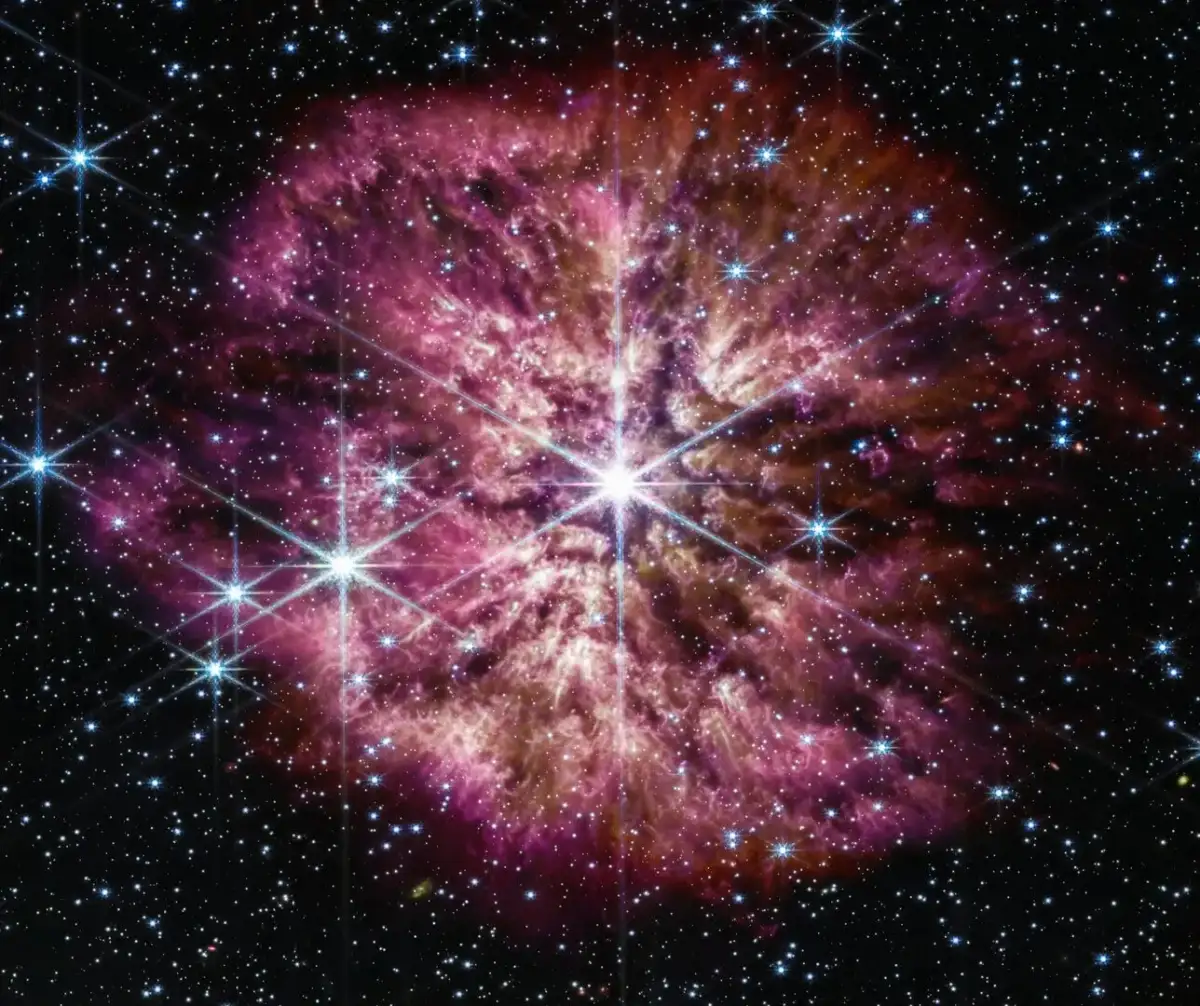
Prior to this expansive mapping, significant research had already begun to illustrate the crucial role of magnetic fields in galactic centers. Studies, such as those focusing on the heart of our galaxy, have shown how magnetic field boundaries align with observations of ionized carbon emissions. These investigations have even identified specific stellar types, like Wolf-Rayet stars, within chaotic regions, providing crucial insights into star formation and evolution in extreme environments. The consistency found between different astronomical surveys of the same regions offered early indications of the detailed stories magnetic fields could tell.
Read More: JWST Finds Oldest Barred Spiral Galaxy M1149-BSG-z5