New simulations suggest that magnetic fields play a crucial role in the rapid formation of binary star systems. These fields appear to act as a kind of cosmic brake, siphoning off angular momentum from nascent protostars. This loss of spin allows the two forming stars to spiral closer together, facilitating their assembly within observable timescales. The findings also extend to the formation of massive binary black holes, offering a potential explanation for how these giants converge.
The computer models indicate that magnetic fields threading through the surrounding gas actively draw protostars nearer. This mechanism is vital, as observations hint that these binary arrangements solidify before the stars are fully mature.
Shifting Perspectives on Celestial Dance
Previous theories grappled with explaining the swiftness of binary system formation. The latest simulations, however, present a compelling case for magnetic fields as a fundamental ingredient.
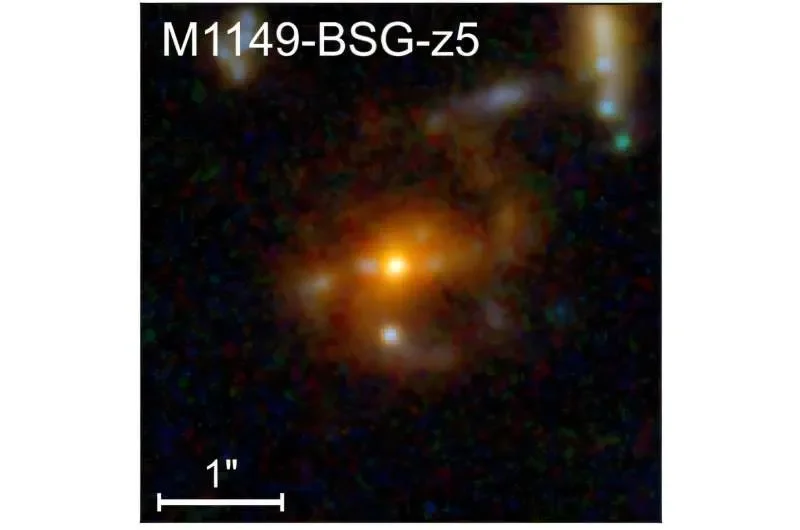
Read More: JWST Finds Oldest Barred Spiral Galaxy M1149-BSG-z5
Momentum Stripped: Magnetic fields are shown to effectively remove angular momentum from the swirling gas and dust clouds that give rise to protostars.
Gravitational Synergy: Instead of flinging apart due to their spin, protostars are nudged closer by magnetic forces, allowing gravity to establish a stable binary configuration.
Black Hole Parallels: The same principles of angular momentum transfer via magnetic fields are posited to influence the merging of supermassive black holes in galactic cores. This could help resolve questions about how these colossal objects coalesce.
Probing the Universe's Magnetic Heart
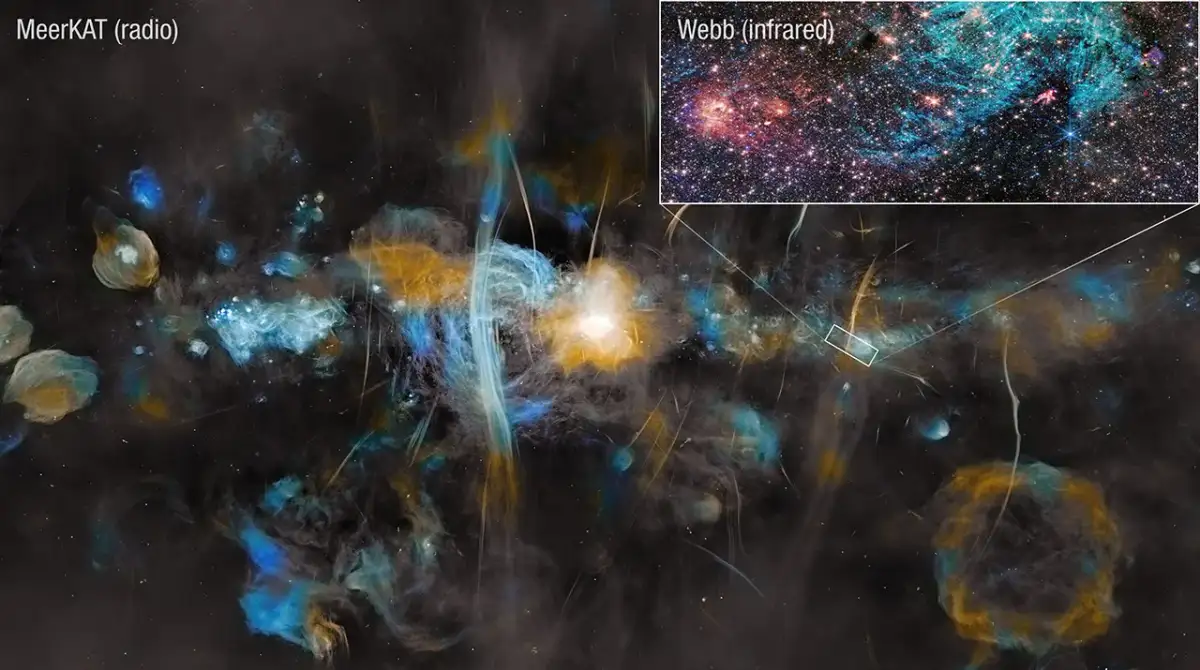
Recent astronomical observations, including those from NASA's James Webb Space Telescope, are beginning to shed light on the complex interplay between magnetic fields and star birth. Studies of regions like Sagittarius C have observed strong magnetic fields that appear to resist gravitational collapse, potentially influencing star formation rates. This suggests that magnetic forces are not merely passive participants but actively shape stellar nurseries.
Webb's infrared capabilities allow for the detection of low-mass protostars, previously obscured by dust.
Comparisons with data from ground-based telescopes like ALMA and MeerKAT help refine models of star formation.
The galactic center, with its extreme conditions, serves as a unique laboratory for testing star formation theories.
While older research has explored aspects of angular momentum transport in binary systems, the latest simulations underscore the centrality of magnetic field interactions in bringing these celestial pairs together.