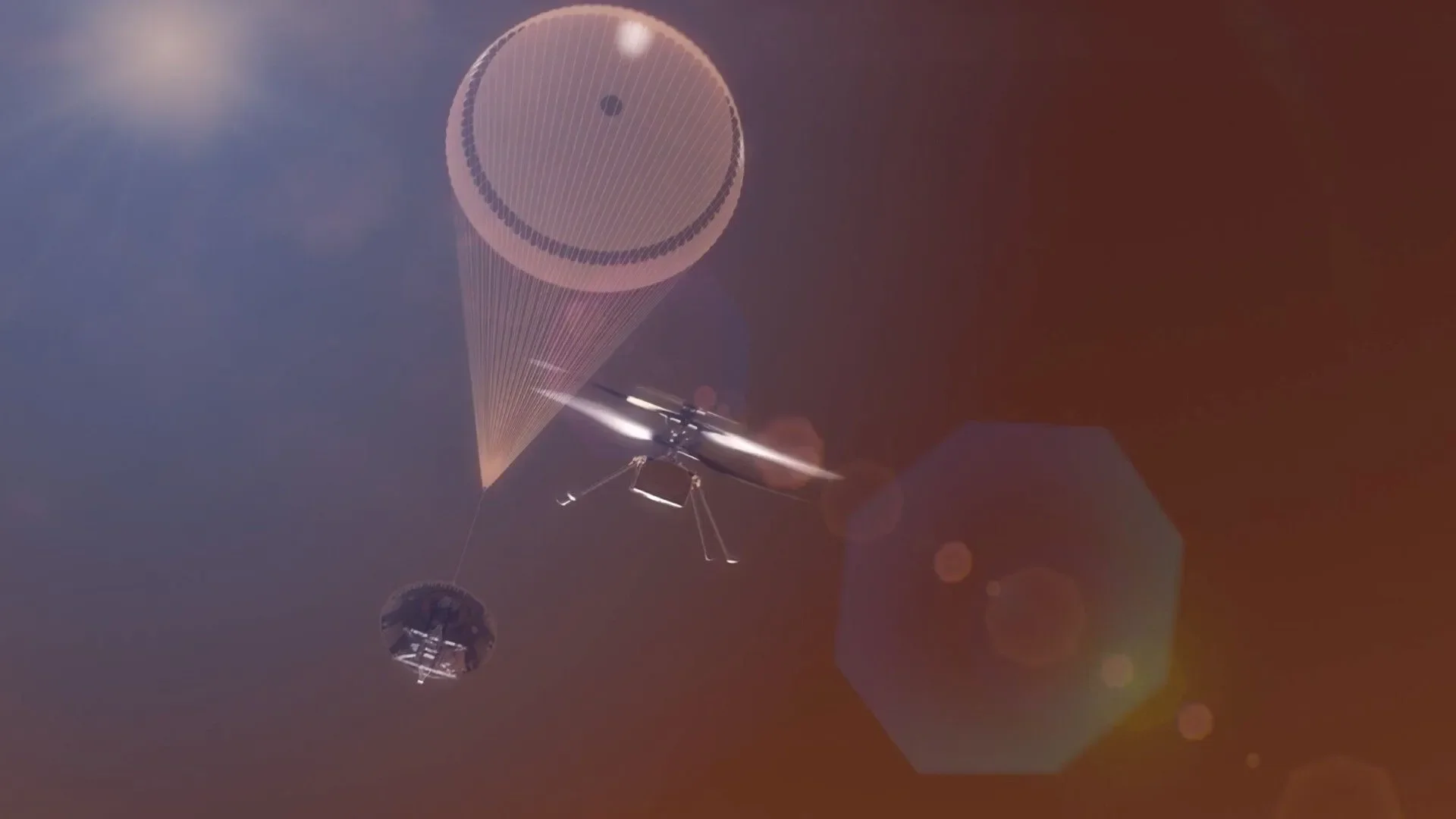
Recent trials at NASA's Jet Propulsion Laboratory have seen experimental rotor blades for future Mars helicopters exceed the speed of sound, reaching up to Mach 1.08 in simulated Martian atmospheric conditions. These tests, conducted in March at the JPL facility in Southern California, represent a significant step in developing more capable aerial vehicles for the Red Planet. Engineers spun the blade tips fast enough to break the Mach 1 barrier, a crucial hurdle for effective flight in Mars's thin atmosphere.
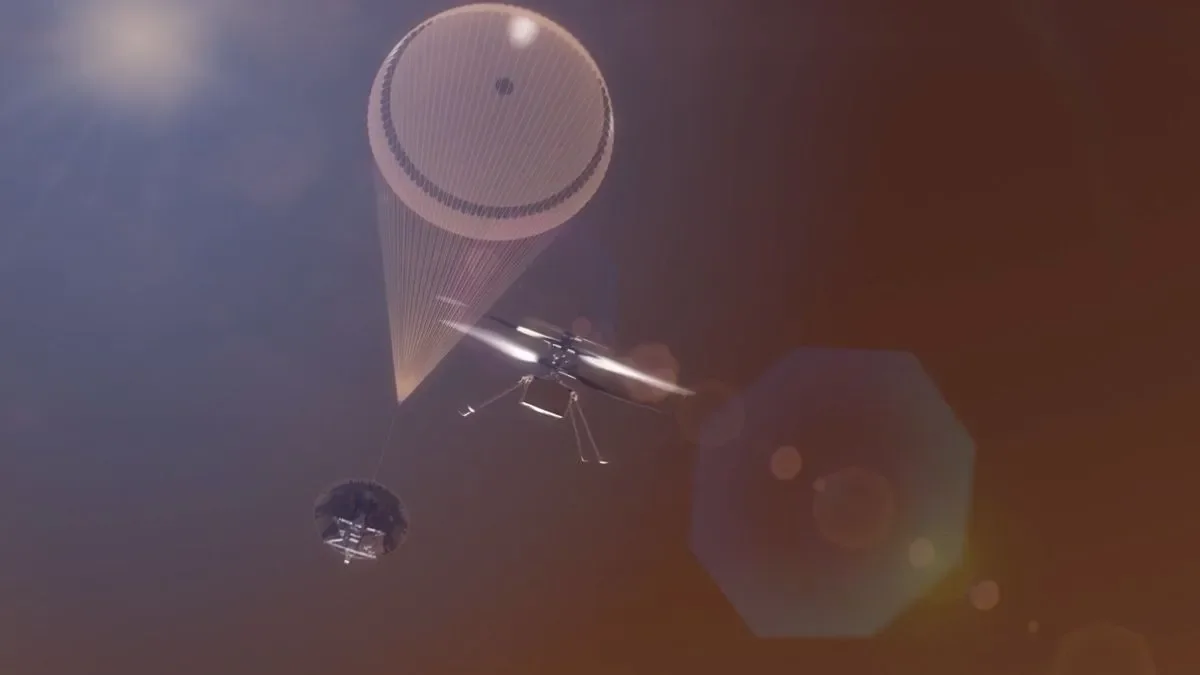
The next-generation Mars aircraft are being designed for enhanced performance compared to previous craft like the Ingenuity helicopter, which was not conceived as a full science vehicle. The new designs aim to allow future helicopters to carry heavier payloads and fly greater distances.

Engineers experimented with different rotor configurations, including a two-bladed design dubbed SkyFall. This particular design achieved near-supersonic speeds with fewer rotations per minute due to its increased length. In comparison, Ingenuity's rotor blades operated at speeds below Mach 1, never exceeding 2,700 revolutions per minute. The tested three-blade designs, for instance, spun up to 3,750 rpm, reaching Mach 0.98.
Read More: Indigenous Data Rights Now Key in Conservation Genomics
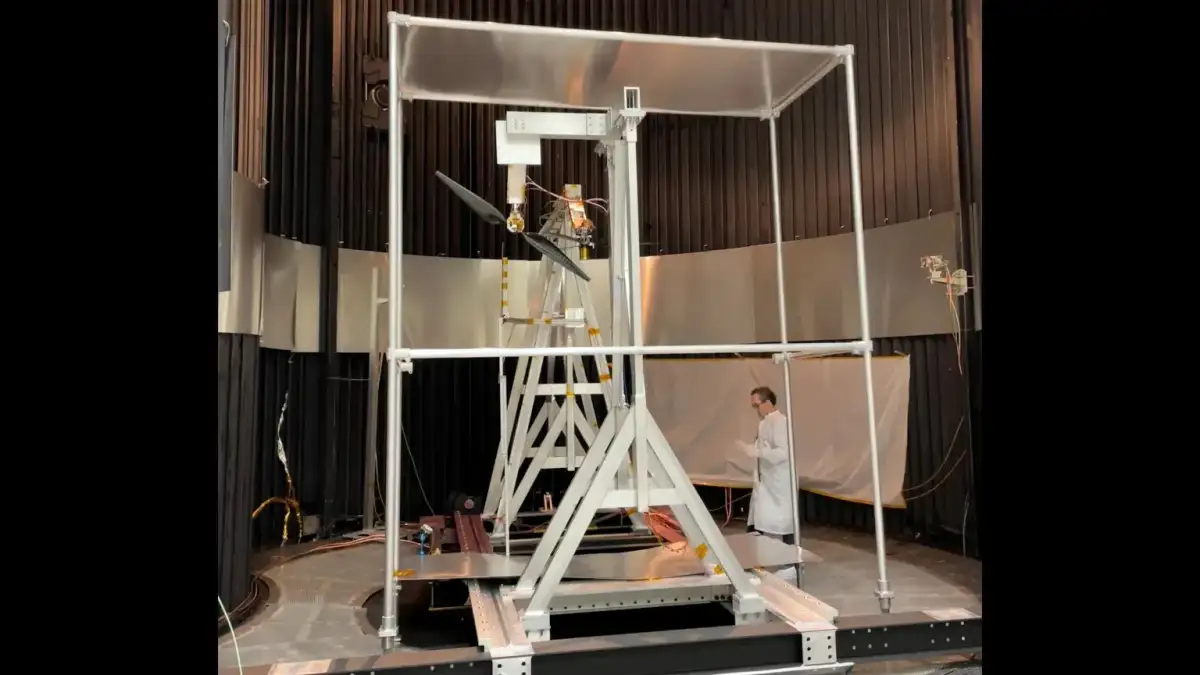
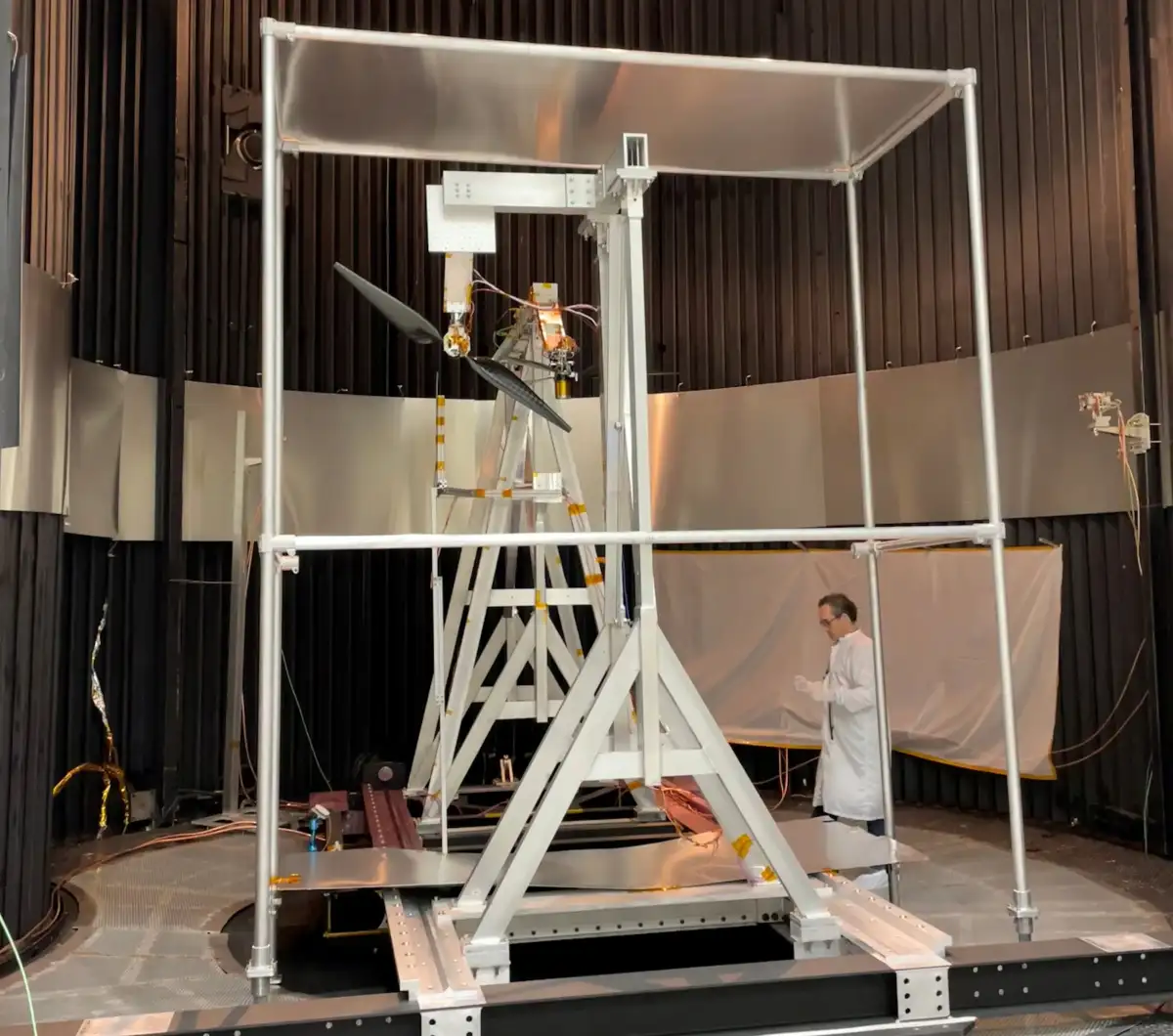
The ability of these rotor tips to reach speeds exceeding Mach 1 without structural failure is critical for overcoming the challenges posed by the thin Martian atmosphere. Crossing the sound barrier creates shock waves that can destabilize rotor structures. These tests, carried out within the 25-Foot Space Simulator, replicated Mars's cold, carbon dioxide-rich environment, confirming the blades' structural integrity under these extreme conditions.
The speed of sound varies significantly between Earth and Mars. On Earth at sea level, Mach 1 is approximately 1,223 km/h (760 mph). On Mars, however, due to its colder and thinner atmosphere, the speed of sound is closer to 869 km/h (about 540 mph). The successful completion of these tests pushes the boundaries of off-world aviation and aerodynamic capability for future planetary exploration.
Read More: US Space Force Victus Haze Mission Successfully Tests Orbital Intercepts