Since returning to the White House, Donald Trump has moved international relations to the center of his agenda. While many presidents focus on laws within their own borders, this administration treats global deals as a primary tool for domestic success. Reports show a mix of direct action and assertive talk. For example, records indicate a high focus on trade balances with Europe and military action against Iran’s nuclear capabilities.
This "peace through strength" plan aims to change how the United States deals with both friends and rivals. Some observers see these moves as effective deals that put American interests first. Others suggest the focus is on creating big public moments rather than fixing long-term issues. This report examines the facts behind these global changes and the different ways they are viewed. The central theme of this period is the use of American economic and military power to force new terms in global agreements.
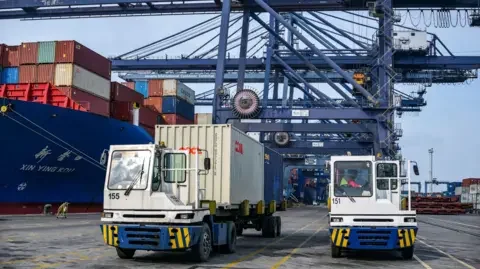
Read More: US and Indonesia agree new 19% tariff rate on goods from July 23, 2025
Timeline and Key Players
The current foreign policy path began with a shift in how the U.S. views its role in the world. Instead of working through large international groups, the administration has chosen direct talks and specific demands.
Donald Trump: Leading a "foreign policy first" approach that views global trade as a domestic issue.
Steve Witkoff: A key negotiator tasked with handling complex discussions in the Middle East.
Key Regions: China (main strategic rival), Iran (target of military strikes), and the European Union (focus of trade rebalancing).
Timeline of Events:
Late 2024: Formal shift toward "Peace through Strength" and criticism of traditional alliances like NATO.
Early 2025: Intensive Middle East negotiations and trade pressure on China.
Summer 2025: Reported U.S. strikes on Iran’s nuclear facilities at Natanz and Fordow.
Early 2026: Diplomacy becomes the defining feature of the second term, moving faster than Congressional action.
Evidence of Action and Strategy
Data and official statements show a pattern of using pressure to reach goals. The administration has moved away from traditional group diplomacy to a more "hands-on" style.
"Trump is not waiting for Congress to lead. He has been using U.S. economic, diplomatic, and military power to deliver on every aspect of his foreign policy agenda." — Foreign Affairs, 2025
| Action Category | Specific Evidence | Stated Goal |
|---|---|---|
| Military | Strikes on Iran's Natanz and Fordow sites | Stop nuclear enrichment without a full war. |
| Trade | Shift in EU-US trade volumes | Address and fix the trade imbalance. |
| Diplomacy | Direct talks with North Korea and Middle East leaders | Use "American Strength" to get tangible wins. |
| Alliances | Public criticism of NATO funding and UN roles | Reduce U.S. costs and shift focus to Indo-Pacific. |
Military Pressure: The Case of Iran
One of the most significant reported events involves direct military action. Sources indicate that during the summer of 2025, the U.S. conducted strikes on Iranian nuclear sites. These strikes aimed to destroy the equipment used for enriching nuclear material.
The Result: Reports suggest the strikes crippled Iran's ability to continue its nuclear program.
The Strategy: This action was taken without starting a full-scale war, fitting the "deterrence" model favored by the administration.
The Question: While the enrichment was stopped, it remains unclear if this has led to a permanent peace agreement or if it has simply delayed the conflict.
Trade and the "China First" Rivalry
The administration views China as its top global rival. This has led to a two-part plan: trade pressure and a military presence in the Indo-Pacific.
Economic Front: The trade war continues with a focus on protecting U.S. industries. The administration argues that trade policy is actually a form of domestic policy.
Security Front: There is an increased focus on the Indo-Pacific region to counter China's growing military power.
Contrasting View: Some critics, such as Dr. Andrew Latham, argue that while these moves look big in the news, they may prioritize "theater" over solving the underlying causes of the rivalry. Is the goal to win a permanent victory, or to create a series of dramatic moments for the public?
The Role of Personal Diplomacy
Negotiators like Steve Witkoff have been used to handle delicate Middle East talks. This approach relies on "direct and assertive" talks rather than slow bureaucratic processes.
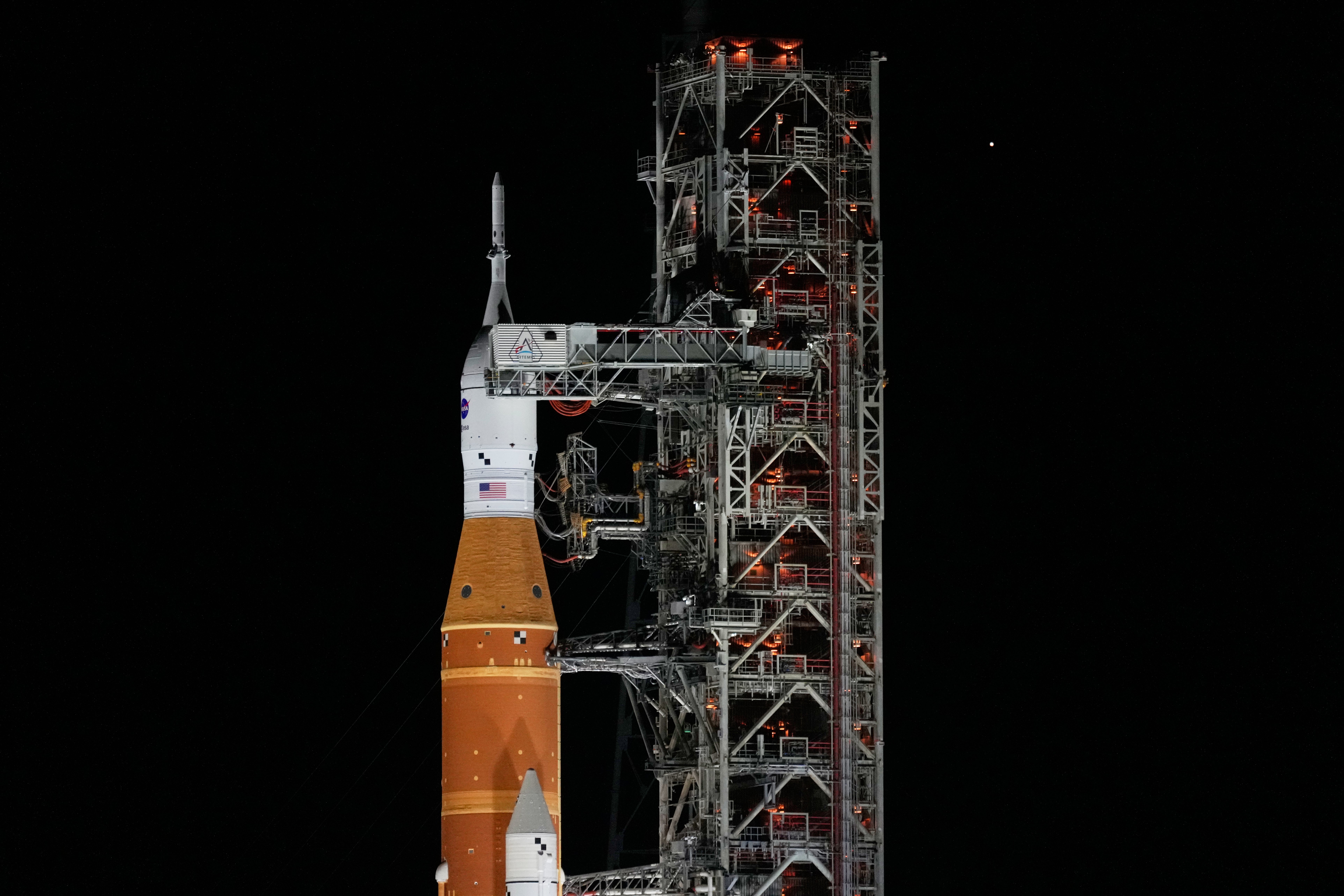
Read More: NASA Artemis II Rocket Completes Second Fueling Test, Launch Date Expected Soon
Middle East Goals: Achieving "tangible outcomes" through persistent engagement.
European Relations: The U.S. has pressured the European Union to change trade volumes. This has caused some tension, but the administration maintains it is necessary to fix economic imbalances.
Ambiguity: Evidence suggests that after a big announcement or "prizefight" moment, the administration often stays comfortable with "ambiguity." This means they may move on to a new topic before the first one is fully settled.
Expert Analysis
Experts are divided on whether this style of leading is effective in the long run.
Supporters point to the Iran strikes as proof that the U.S. can act decisively to protect its interests. They argue that the administration is "outmaneuvering" China and making the U.S. more secure by being blunt and unpredictable.
Critics, however, worry about the lack of steady commitment. As noted by 19FortyFive, the pattern appears to be "a dramatic opening swing, a declared victory, and a quick pivot to the next headline." This raises questions about whether the "wins" are lasting or just temporary displays of power.
Conclusion and Findings
The investigation into the current foreign policy shows a clear shift toward a "foreign policy first" presidency. The administration has proven it is willing to use military force and economic pressure to reach its goals quickly.
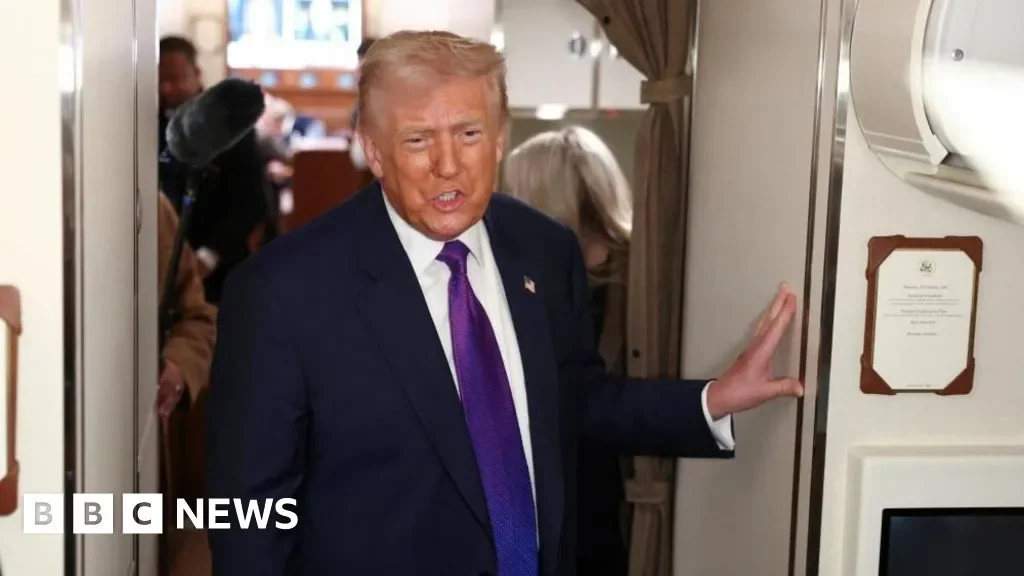
Read More: Donald Trump's Board of Peace Secures $5 Billion for Gaza, Visits Georgia
Key Findings:
Military Force: Strikes on Iran were used as a tool of "selective commitment" to stop nuclear progress.
Economic Priority: Trade imbalances, especially with the EU and China, are treated as the most important issues for the American worker.
Negotiation Style: The use of personal envoys and "bluntness" has replaced traditional group meetings at the UN or NATO.
Next Steps and Unknowns:The main question remains whether this "prizefight" style of diplomacy can lead to lasting global stability. While enrichment sites may be destroyed and trade deals may be forced, the long-term impact on alliances and global law is still being determined. Investigators should continue to watch trade volume data and military movement in the Indo-Pacific for signs of the next major "pivot."
Sources Used
Time Magazine (2026): On the bluntness of the administration and China as a top priority. https://time.com/collections/davos-2026/7345543/trump-foreign-policy-second-term/
AARR (2025): Steve Witkoff’s insights on Middle East negotiations and assertive diplomacy. https://aarr.org/trump-foreign-policy-success-dealmaker-strategy/
European Union Institute for Security Studies (2026): Analysis of trade volumes and the "Foreign Policy-First" focus. https://www.iss.europa.eu/publications/commentary/foreign-policy-first-president-us-external-action-under-trump-20-data
19FortyFive (2026): Critical analysis by Dr. Andrew Latham on the "theater" vs. "consolidation" in policy. https://www.19fortyfive.com/2026/01/donald-trumps-foreign-policy-go-big-look-good-and-never-solve-anything/
New York Center For Foreign Policy Affairs (2024): Historical context on the shift away from NATO and the Indo-Pacific strategy. https://nycfpa.org/11/11/donald-trumps-foreign-policy-a-comprehensive-analysis/
Foreign Affairs (2025): Details on the military strikes against Iran’s nuclear facilities. https://www.foreignaffairs.com/united-states/case-trumps-second-term-foreign-policy
Voice of America (2024): Background on the "Peace through Strength" summary and view of authoritarians. https://www.voanews.com/a/how-trump-won-and-what-it-could-mean-for-u-s-foreign-policy-/7857533.html
CEO Today (2025): Overview of the trade war with China and denuclearization talks. https://www.ceotodaymagazine.com/2025/01/a-comprehensive-overview-of-donald-trumps-foreign-policy-key-actions-and-controversies/