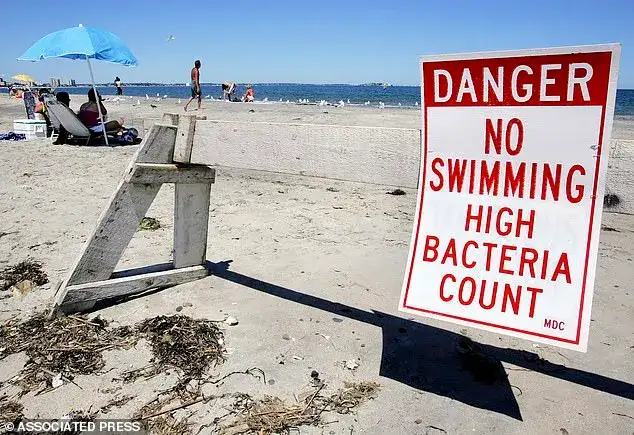
Chelikunta Lake, a vital water body in Tellapur, has recently witnessed a catastrophic fish kill, with estimates suggesting around 10 tons of fish perishing.== This incident, reported on June 27, 2024, has sent shockwaves through the local community, particularly among the over 100 fishing families who depend on the lake for their livelihood. The immediate financial loss is pegged at approximately Rs 1 crore.
A DROWNING ECOSYSTEM
The immediate aftermath of the mass fish deaths in Chelikunta Lake (also referred to as Chitkul lake and Pedda Cheruvu) has been met with widespread concern and demands for action. Local fishermen pointed to the possibility of chemical waste and industrial effluents polluting the waters, alleging that fish began floating dead shortly after heavy rains. Officials from the Pollution Control Board, however, initially found no concrete evidence of industrial pollution in their preliminary examinations.
Read More: Amazon Land Use Changes Cause Disease Clusters in Brazil

"We demand that the government divert the industrial effluents flowing into Pedda Cheruvu. The dead fish started floating on Monday, a day after the area witnessed a good amount of rain." - Local Fishermen
Further complicating the narrative, a report from June 27, 2024, also mentioned that officials cited a depletion of dissolved oxygen level in the water body as a potential cause for the mortality. Measures were reportedly taken to increase dissolved oxygen, leading to a decrease in fish mortality after the initial surge.
ENCRROACHMENT AND CONCRETE REINFORCE THE DECLINE
This recent ecological disaster unfolds against a backdrop of persistent issues plaguing Tellapur's water bodies. Three lakes in Tellapur – Mella Cheruvu, Vanam Cheruvu, and Chelli Kunta – have shrunk drastically, from over 45 acres to a mere 10 acres. This dramatic reduction is attributed to ongoing encroachment and the direct flow of sewage from upstream residential areas like Tellapur and Nallagandla.

"Apart from government bodies, three corporates, which had adopted the lake in the past, have turned their back on these dying water bodies." - Residents
Residents have also voiced frustration over the lack of sustained effort from various entities, including past corporate initiatives. Concerns about untreated sewage water being directly released into lakes, contributing to their degradation and harming aquatic life, have been raised repeatedly, with Gopanpally Lake (also known as Chinna Pedda Cheruvu) being a recent focal point for such complaints. The Greater Hyderabad Municipal Corporation (GHMC) has been called upon to address illegal dumping and sewage management issues.
Read More: Hyderabad SHE Teams Arrest 127 for Harassment in June 2026
A LONGER HISTORY OF NEGLECT
The plight of Tellapur's lakes is not an isolated incident. In November 2024, the Hyderabad Disaster Response and Asset Protection Agency (HYDRAA) commissioner was alerted to similar problems, including encroachments and pollution stemming from sewage in gated communities, during visits to various lakes, including the aforementioned Tellapur cluster. Petitions submitted by locals at the time sought protection and restoration of these water bodies, with assurances given regarding non-encroachment. However, the recurrence of such severe ecological events suggests that broader, more effective solutions remain elusive.
Read More: Kanyakumari Atomic Mining Permit Extended for 1144 Hectares in 2026