Congressional leaders have reached a deal to end the prolonged shutdown of the Department of Homeland Security, with the Senate advancing legislation to fund the agency, including the Transportation Security Administration. This move comes after weeks of disruption at airports nationwide, exacerbated by staffing shortages and confusion over immigration enforcement priorities. While the immediate crisis appears to be subsiding, the chaos has reignited discussions about the future of TSA, with privatization emerging as a significant consideration.
Acting TSA administrator Ha McNeill has publicly stated that "nothing is off the table" regarding potential privatization, even acknowledging the agency's existing 'Screening Partnership Program' which already involves private companies. This admission follows persistent calls from conservative groups like the 'Competitive Enterprise Institute' for years, arguing that privatization would streamline operations and address the inefficiencies highlighted by the shutdown.
Read More: Acting DNI Pulte Fires Dozens of Intelligence Officials Starting Thursday
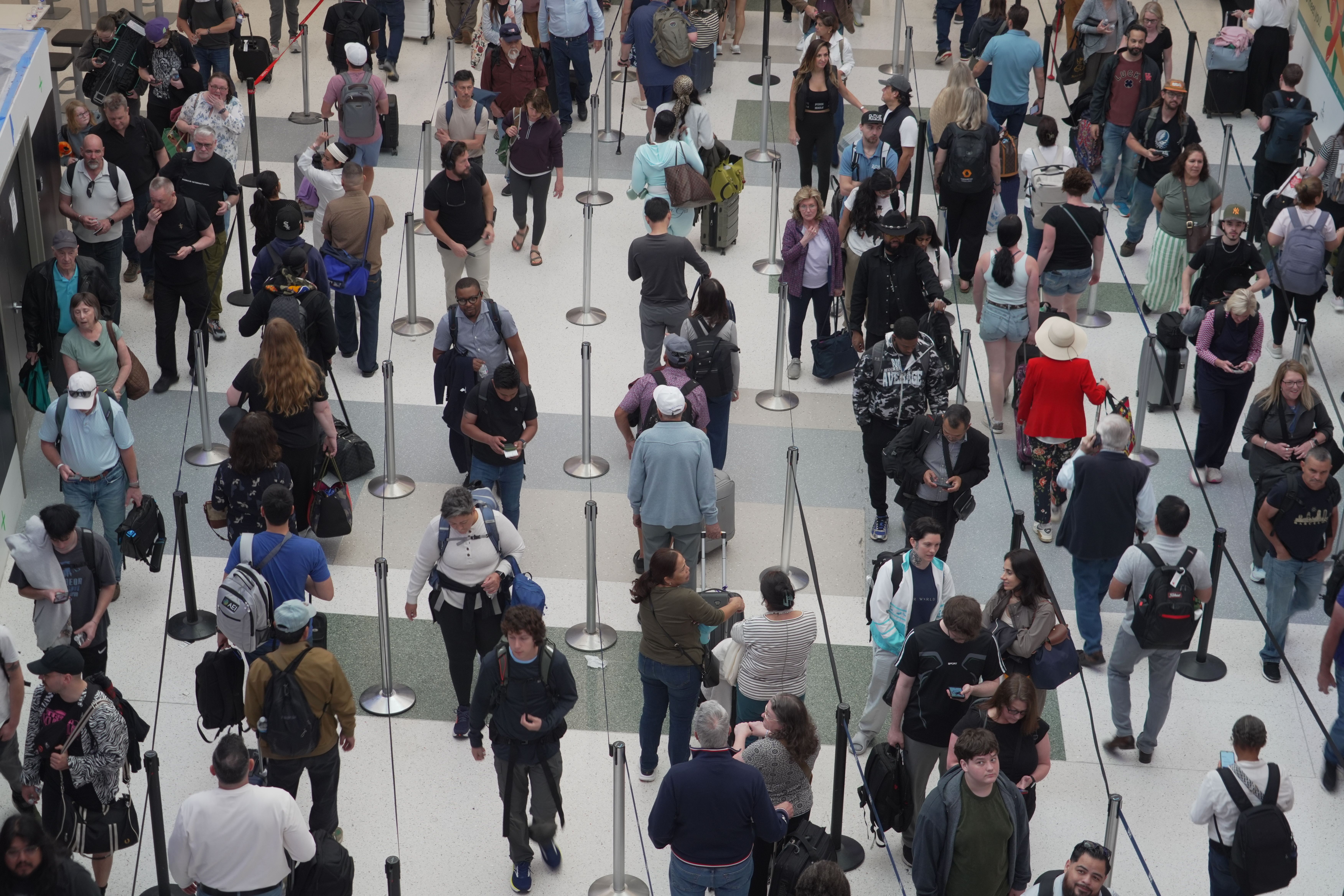
The shutdown, which had become the longest-ever partial government shutdown, saw TSA officers leaving their posts—with over 450 reported to have quit since its onset. This staffing crisis led to unprecedented wait times at major airports, with Houston's George Bush Intercontinental Airport experiencing lines of three to four hours. In some instances, Immigration and Customs Enforcement (ICE) officers were deployed to assist at security checkpoints, a move that raised concerns among some lawmakers.
The legislative wrangling that led to the shutdown’s potential end revealed deep divisions over immigration policy. Democrats had withheld funding for DHS unless changes were made to immigration enforcement, specifically targeting practices associated with 'Donald Trump’s violent mass deportation machine,' as stated by House Minority Leader Hakeem Jeffries. Republicans, conversely, aimed to fund critical security functions while deferring more contentious immigration issues. The "two-track deal" brokered by Senate Majority Leader John Thune and House Speaker Mike Johnson seeks to address immediate funding needs while proposing separate legislation for long-term border security funding.
Read More: New Bengaluru Green Line Metro Trains Arriving by August 2026
A History of Scrutiny and Calls for Change
The TSA, established in the wake of the September 11, 2001, attacks, has long been a subject of debate. Its core mission—preventing weapons and explosives from reaching airplanes—remains paramount. However, the agency's operational efficiency and the role of federal employees in security screening have been consistently questioned. The 'Screening Partnership Program,' where private companies provide security screening services under TSA's regulatory oversight, is often cited as evidence that a more privatized model is not only feasible but potentially more effective. Critics, such as Veronica Escobar (D-Texas), have voiced strong opposition to any move toward full privatization, emphasizing the importance of federal control over national security functions.

/newsfirstprime/media/media_files/2026/02/18/green-line-metro-2026-02-18-14-46-47.jpg)