A Crossroads for Transatlantic Ties
The Munich Security Conference in 2026 has become a focal point for discussions on global security, with significant attention on the future of transatlantic relations and the ongoing conflict in Ukraine. Leaders from Europe and the United States have used the platform to voice their concerns and aspirations, highlighting areas of agreement and divergence. The gathering underscores a period of geopolitical flux, where traditional alliances are being re-examined and new approaches to international cooperation are being debated.
Context of Emerging Tensions
The Munich Security Conference is a prominent annual forum for discussing international security policy. This year's event unfolds against a backdrop of several critical global issues:
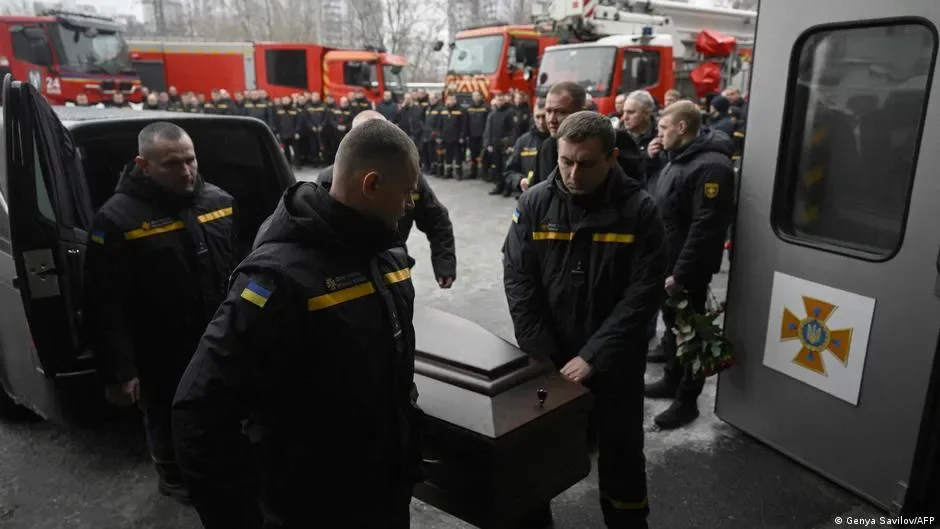
The protracted war in Ukraine, now in its fourth year, remains a central concern. Recent reports indicate that not a single power plant in Ukraine has been left undamaged.
Tensions with China continue to be a significant factor in global strategy.
Discussions around a potential nuclear deal between Iran and the US are also on the agenda.
A significant point of discussion has been the approach of the United States, particularly under a potential Trump administration, towards its European allies.
This year's conference follows statements from US Senator Marco Rubio, who is leading the US delegation. Rubio has articulated a vision for a "reinvigorated alliance," emphasizing shared history and values, while also calling for a rejection of "managed decline" and urging allies to confront challenges such as deindustrialization and mass migration.
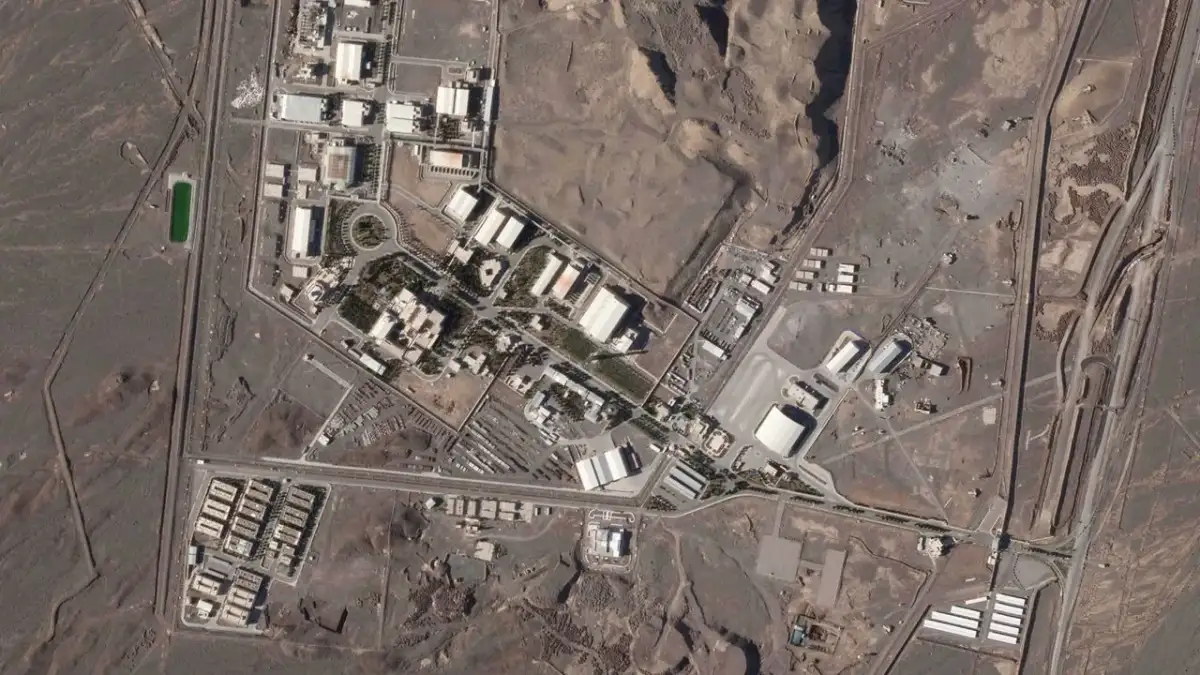
Read More: Iran Zagros Mountain Nuclear Site Construction Update April 2026
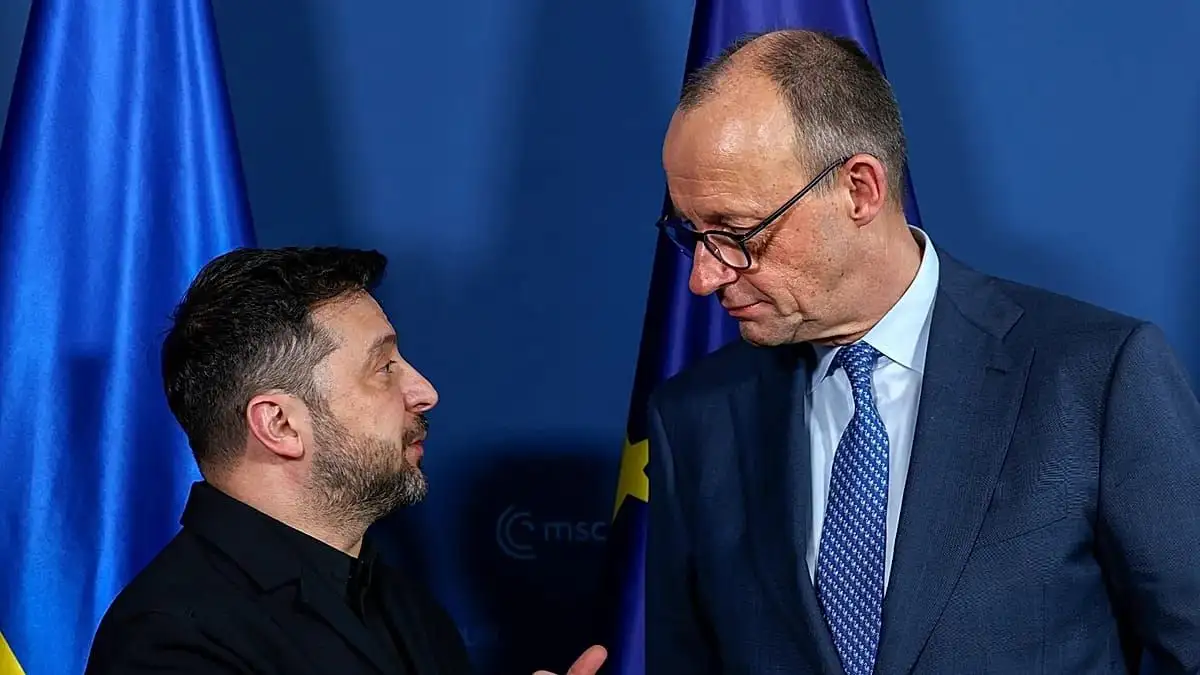
Meanwhile, Ukrainian President Volodymyr Zelenskyy has continued to press for strong security guarantees for Ukraine and Europe, stressing that President Putin is the core obstacle to peace. He has also voiced frustration that the US too often asks Ukraine, not Russia, for concessions.
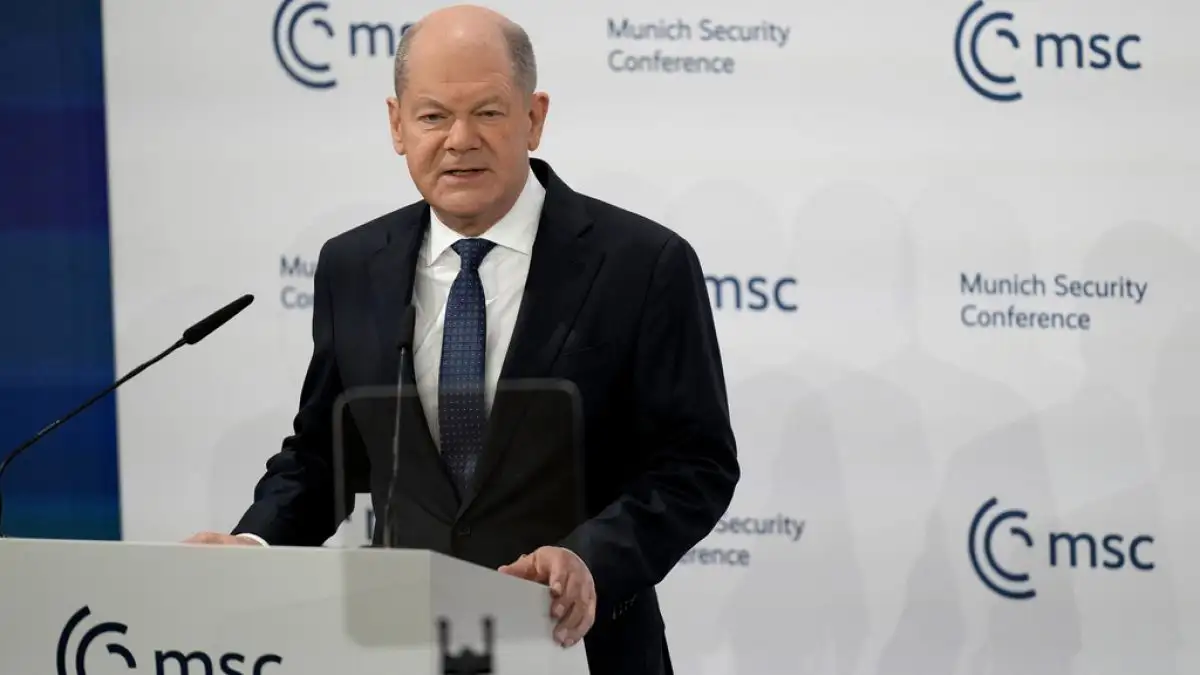
French President Emmanuel Macron has advocated for Europe to prepare for greater independence from the US, while NATO Secretary General Mark Rutte has affirmed the strength of transatlantic bonds.
Evidence of Disagreement and Convergence
Key statements and events from the conference provide insights into the evolving dynamics:
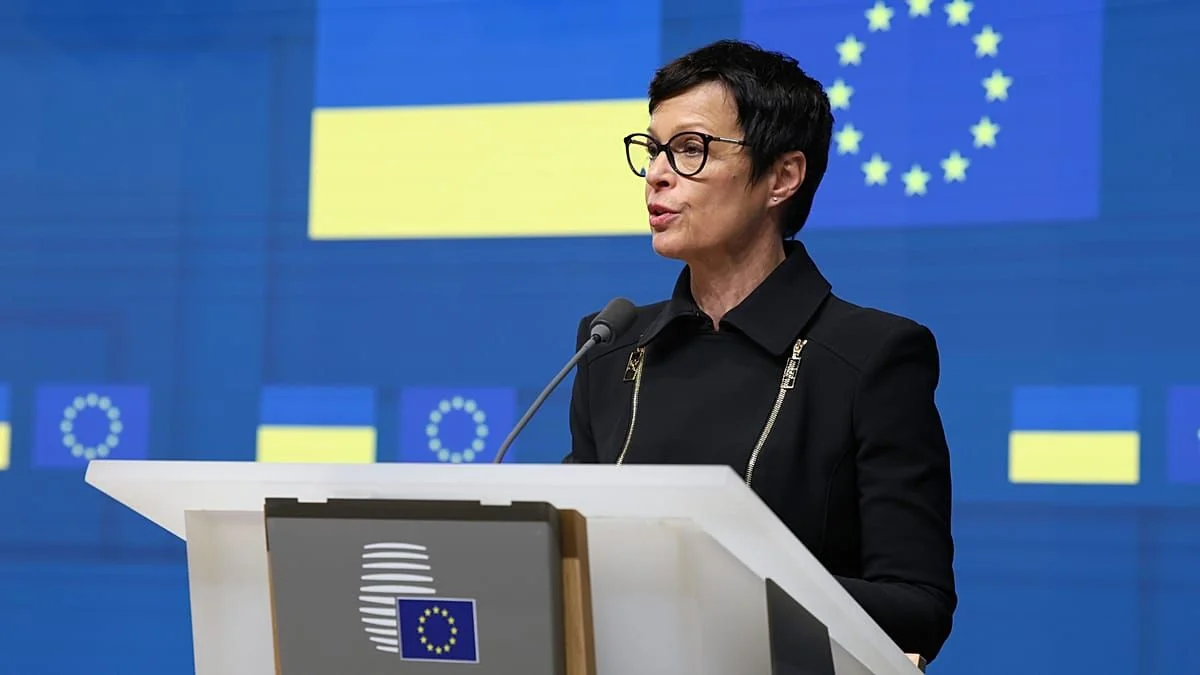
US Perspective (Marco Rubio): Rubio has called for a renewal of the alliance, stating, "we do not want allies to rationalise the broken status quo rather than reckon with what is necessary to fix it." He also mentioned that under Trump, the US "will once again take on the task of renewal and restoration." Rubio’s remarks have been framed as a call to reject a sense of "hopelessness and complacency" and to actively address issues like deindustrialisation, which he deemed "foolish."
Ukrainian Demands (Volodymyr Zelenskyy): Zelenskyy has stressed the need for security guarantees to hold elections and end the war. He has been quoted as saying, "He [Putin] cannot imagine life without power… can you imagine Putin without war, be honest." Zelenskyy also highlighted that Ukraine is seeking security guarantees before the war ends. He pointedly stated, "Not a single power plant in Ukraine left undamaged."
European Stance (Emmanuel Macron): Macron has publicly stated that Europe "must act proudly" and prepare for potential independence from the US. He has also addressed the issue of sending troops to Ukraine, noting that this would only occur before a peace deal is agreed with Russia.
British Position (Keir Starmer): While details are sparse from the provided summaries, Keir Starmer has called for European unity. Reports mention Starmer announcing the deployment of warships and fighter jets to the Arctic.
Rubio's Vision for Alliance Renewal
Senator Marco Rubio's address has been a central theme, outlining a specific vision for the US-Europe relationship. He seeks an alliance that actively confronts challenges rather than accepting a "broken status quo."
Focus on Renewal: Rubio stated the US desires "a reinvigorated alliance that recognises that what has ailed our societies is not just a set of bad policies, but a malaise of hopelessness and complacency."
Rejection of Decline: He invoked the post-World War II era as a parallel, arguing that "decline is a choice" and should be rejected.
Addressing European Vulnerabilities: Rubio specifically highlighted deindustrialisation and mass migration as risks to European societies, characterizing deindustrialisation as an "inevitable" and "foolish" outcome of past policies.
Trump's Approach: He indicated that under a Trump presidency, the US would focus on "renewal and restoration."
Shared Identity: Rubio underscored the deep historical, cultural, and religious ties between the US and Europe.
Zelenskyy's Persistent Call for Action
President Zelenskyy's participation has been marked by a clear and urgent message regarding the war in Ukraine and the nature of the Russian threat.
Read More: University of Bonn study shows visual signs boost animal welfare sales
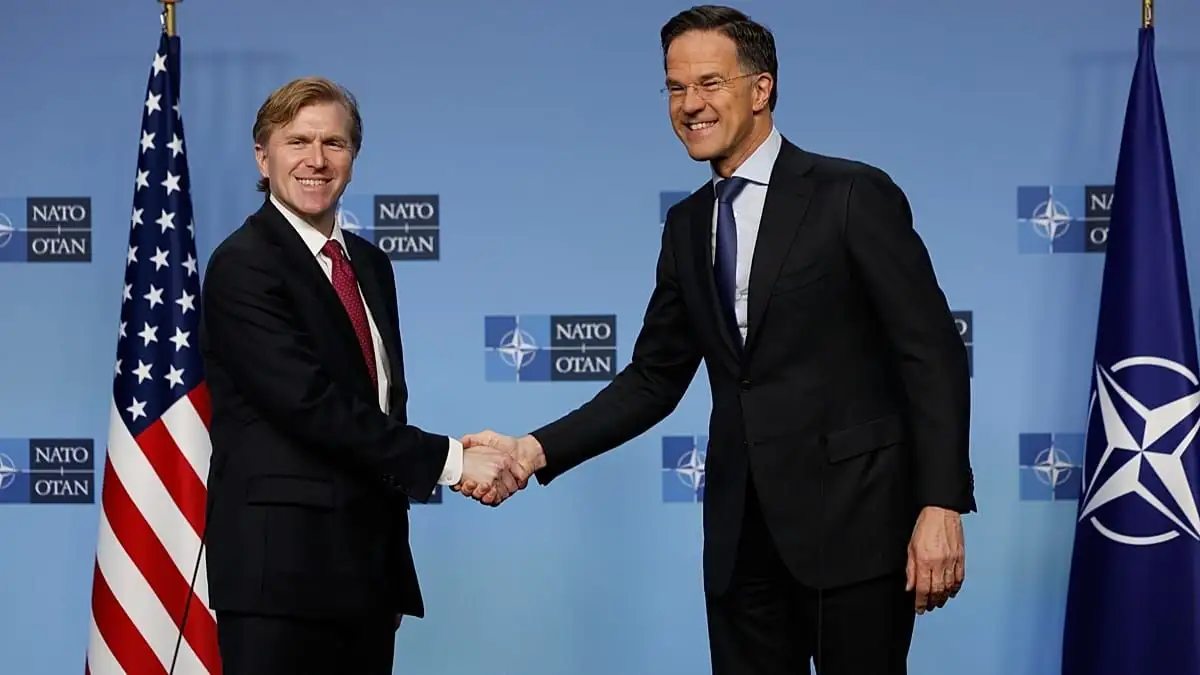
Putin as the Core Problem: Zelenskyy explicitly stated, "Putin… is the crux of the problem for finding peace in Ukraine." He questioned the possibility of Putin existing without war, asking the audience, "can you imagine Putin without war, be honest."
Security Guarantees: He reiterated the necessity of "real security guarantees for Ukraine and for Europe, strong ones," to be established before the war's conclusion.
US Expectations: Zelenskyy expressed concern that the US "too often asks Ukraine, not Russia, for concessions."
Infrastructure Devastation: A stark assessment of the war's impact was delivered: "Not a single power plant in Ukraine left undamaged."
Strength as Diplomacy's Driver: Zelenskyy suggested that Russia takes diplomacy seriously only when confronted with strength, noting that attacks on Russian oil refineries were the only time the country "began to take diplomacy most seriously."
Macron's Push for European Autonomy
French President Emmanuel Macron has used the conference to advocate for Europe's strategic self-reliance.
European Independence: Macron has insisted that Europe "must prepare for independence from the US."
Conditions for Troop Deployment: He clarified his stance on military involvement in Ukraine, stating that he is "not prepared to send troops into Ukraine before a peace deal is agreed with Russia."
Starmer's Focus on Security and Unity
Keir Starmer's contributions, though less detailed in the provided summaries, indicate a focus on both European solidarity and specific security deployments.
Call for European Unity: Starmer joined Zelenskyy in calling for "European unity."
Arctic Deployment: He announced the deployment of warships and fighter jets to the Arctic.
Expert Perspectives and Underlying Tensions
The discussions at Munich reflect a broader debate about the future of the international order and the US role within it.
Marco Rubio emphasized that the US "do not seek to separate, but to revitalise an old friendship." He also stated, "we do not want allies to rationalise the broken status quo rather than reckon with what is necessary to fix it."
Volodymyr Zelenskyy conveyed a message of urgency, stating, "He cannot imagine life without power… be honest." He also highlighted the widespread damage to Ukraine's infrastructure: "Not a single power plant in Ukraine left undamaged."
The contrast between Rubio's call for a renewed alliance under US leadership and Macron's advocacy for European autonomy highlights a key tension. Zelenskyy's direct appeals for stronger security guarantees and his critique of US pressure underscore the critical challenges facing Ukraine.
Findings and Implications
The Munich Security Conference in 2026 has served as a significant venue for articulating differing perspectives on global security and alliance dynamics.
Shifting Transatlantic Relationship: Senator Rubio's remarks indicate a desire for a revitalized US-Europe alliance, albeit one potentially reshaped by the priorities of a future Trump administration. This suggests a move towards an alliance focused on US terms and concerns, including issues like mass migration and deindustrialization.
Ukraine's Persistent Struggle: President Zelenskyy's continued emphasis on the need for robust security guarantees and his frustration with perceived US concessions underscore Ukraine's precarious situation and its determination to resist Russian aggression. The dire assessment of Ukraine's power infrastructure highlights the ongoing human and material costs of the conflict.
European Strategic Autonomy: President Macron's call for European independence reflects a growing sentiment among some European leaders to enhance their strategic capabilities and reduce reliance on the US.
Call for Unity Amidst Divergence: Despite differing viewpoints on the precise nature of alliances and future strategies, leaders like Keir Starmer have emphasized the importance of European unity in addressing shared challenges.
The implications of these discussions are far-reaching, potentially shaping future defense policies, diplomatic strategies, and the overall structure of international security alliances. The divergence in perspectives between the US and some European nations, alongside Ukraine's urgent pleas, points to a complex and evolving geopolitical landscape.
Read More: 40 Die in Quetta to Peshawar Bus Crash in Balochistan on April 3 2026
Most Used Sources and Context:
The Guardian (Article 1, 9): Provided detailed insights into Senator Marco Rubio's address, his critique of the "broken status quo," and his vision for a renewed alliance under the Trump administration. Also covered his views on deindustrialization and mass migration.
Link: https://www.theguardian.com/us-news/2026/feb/14/marco-rubio-us-child-of-europe-trump-munich
France24 (Article 7): Offered live updates on Senator Rubio's address and President Zelenskyy's speech, including Zelenskyy's statement about damaged power plants and his concerns about US demands for concessions.
The Guardian (Article 2): Contained statements from Emmanuel Macron regarding Ukraine and troop deployment, as well as information about Rubio's participation.
BBC News (Article 3): Reported on Zelenskyy's direct address to the US, his remarks about Putin, and the need for security guarantees.
Politico (Article 5): Provided live updates from the conference, highlighting the significance of speeches and diplomacy, and mentioned Ursula von der Leyen's welcoming of Rubio's words.
Link: https://www.politico.eu/article/munich-security-conference-2026-live-updates/
BBC News (Article 6): Gave context about the conference agenda, including Ukraine, China, and the Iran nuclear deal, and mentioned Rubio's role and Macron's stance on European independence.