The ongoing perception of Westminster as a "boys' club" persists, suggesting systemic issues beyond mere representation statistics. While efforts have been made to increase the number of women in Parliament and various parties have shown commitment to gender equality, the fundamental structures and the prevailing culture appear resistant to comprehensive change. The narrative around Westminster, as observed in multiple reports, points to enduring inequalities that affect not only women but also individuals from working-class backgrounds, raising questions about the institution's accessibility and fairness.

Persistent Gender Imbalances and Cultural Biases
Reports indicate a continued disparity in the treatment and experience of women within Westminster, even as their numbers have grown.
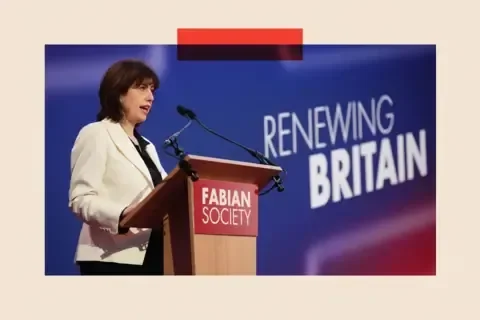
Unequal Representation: One assessment highlights a meeting with 45 men and only five women, underscoring a persistent numerical imbalance in certain settings within the political arena.
Differential Scrutiny: The lens applied to women is different. Issues concerning their appearance, conduct, and attire are subject to a distinct level of scrutiny compared to their male counterparts.
Safety Concerns: Parliament is described as not always being a safe space for women, with some reports suggesting that while women hold positions of power, the institution itself has not fully adapted to be truly inclusive.
The Socio-Economic Divide: Class as a Barrier
Beyond gender, class also emerges as a significant factor shaping the Westminster landscape, creating a barrier for individuals from less privileged backgrounds.
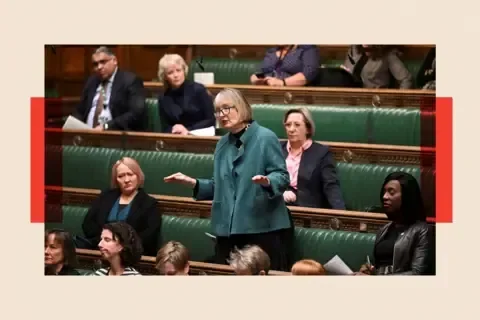
Financial Burdens: Running for office carries substantial costs that disproportionately affect women, who typically have less disposable income than men. These monetary concerns, coupled with the impact on family life, present unique challenges.
Classism in Discourse: Instances of classism have been noted, with specific politicians becoming targets of attacks that reflect societal prejudices based on social standing.
Disconnection with Younger Generations: A widening gap exists between young people and politics, particularly for those from working-class backgrounds who are most affected by declining public services and economic challenges like the rising cost of housing and stagnant wages.
Systemic Flaws and Resistance to Change
The functioning of Westminster is also characterized by what is described as systematic and existential issues, implying that problems are embedded within the system itself rather than being isolated incidents.
Read More: Andrew sublet Royal Lodge cottages for years, NAO report says

Entrenched Incentives: An existing set of incentives within the political structure is seen as ensuring failure in certain areas, suggesting that the system may be designed in a way that perpetuates existing problems.
Archaic Assumptions: There are archaic assumptions about how politics should operate, including expectations that individuals, once elected, should remain in their positions indefinitely. This contrasts with ideas for more modern and accessible democratic processes.
Influence of Civil Service: The civil service is identified as a significant power bloc, and its role in the functioning, and potential dysfunction, of Westminster is a subject of examination.
Expert Analysis and External Perspectives
Commentators and analyses suggest that the issues within Westminster are deeply ingrained and require more than superficial adjustments.
"The real test is not how many women sit in Parliament, but whether Parliament itself is willing to change."— Her Campus (Article 2)
"This very Westminster, old boys’ club view of politics has, unfortunately, also infected Holyrood, which should be a place dedicated to thinking differently."— Michael Russell (Article 4)
"It is systematic and existential."— Ian Dunt (as cited in Article 6)
Conclusion: Enduring Challenges to Inclusivity
The evidence points to a complex interplay of persistent gender bias, socio-economic barriers, and systemic operational flaws within Westminster. While the presence of more women and broader party efforts are acknowledged, these do not appear to have fundamentally altered the perception or the lived experience of many within the institution. The notion of Westminster as an exclusive domain, primarily shaped by and for a particular demographic—historically men and individuals of higher socio-economic status—continues to be a salient concern. The analysis suggests that achieving a truly inclusive and representative political environment requires addressing these deeply embedded structural and cultural issues, rather than relying solely on increased numbers.
Sources:
BBC News: One giant boys’ club: Why Westminster still feels like a man’s world
Her Campus: Women in Westminster: is parliament still a boys club?
Political Studies Association: Why is Westminster still a rich mans world?
The National: Michael Russell: We can govern better than Westminster’s old boys’ club
Moses Ali (Blog): The World Outside Westminster: Why Young People’s Real Problems Barely Register in Politics
New Statesman: Westminster is broken
British Politics at Queen's (Blog): Classism in Westminster: A middle class in control?
Man With Van Westminster: Life in Westminster: Real Opinions