

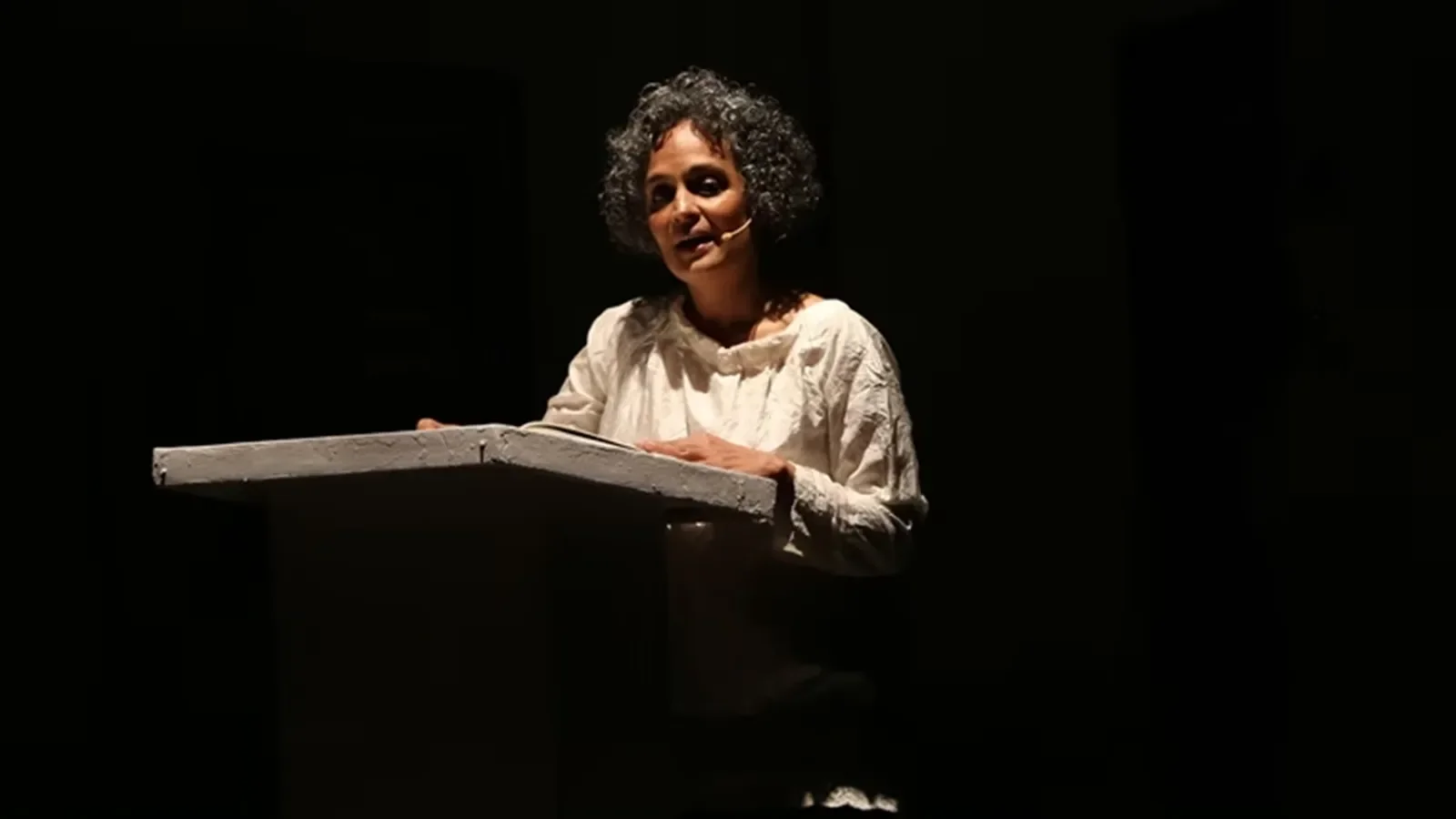
The Berlin Film Festival has become a focal point of cultural debate following the withdrawal of acclaimed Indian author Arundhati Roy. Roy announced her decision to forgo participation in the festival on Friday, citing remarks made by jury president Wim Wenders. Wenders' comments, suggesting filmmakers should "stay out of politics" when questioned about the conflict in Gaza, have drawn sharp criticism from Roy and others. Her departure highlights a broader discussion within international arts communities about the role of art in confronting political issues, particularly in light of ongoing global conflicts.
Roy was scheduled to attend the Berlinale to present a restored version of the 1989 film “In Which Annie Gives It Those Ones,” for which she also wrote the screenplay. The film festival, known for its traditionally progressive programming, now finds itself at the center of controversy, with Roy's withdrawal casting a shadow over its proceedings.
Read More: Sayeeda Ali painting workshop in Visakhapatnam on July 4 2026
Key Events and Reactions
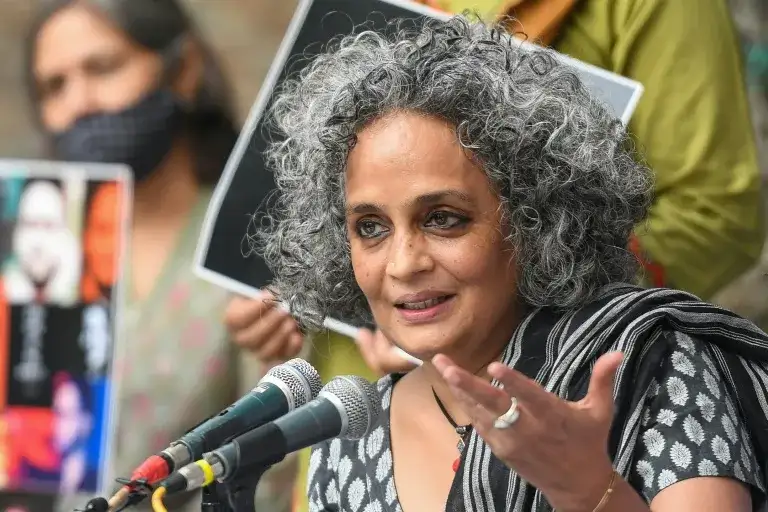
Arundhati Roy, a Booker Prize-winning author and a prominent critic of government policies, expressed profound disappointment with jury president Wim Wenders' statements.
February 12, 2026: During a press conference, Wim Wenders was asked about Germany's support for Israel and the conflict in Gaza. He responded by stating that filmmakers "cannot really enter the field of politics" and that they are "the counterweight to politics."
February 13, 2026: Arundhati Roy announced her withdrawal from the festival. In a statement, she called Wenders' remarks "jaw-dropping" and "unconscionable." She argued that art should not be distanced from political realities, especially during times of conflict.
Roy's Statement: "To hear them say that art should not be political is jaw-dropping," Roy stated. She added, "If the greatest filmmakers and artists of our time cannot stand up and say so, they should know that history will judge them." She also noted, "With deep regret, I must say that I will not be attending the Berlinale."
Other jury members, such as Ewa Puszczyńska, also appeared to push back against discussing political issues, adding to the controversy.

The Nature of Art and Politics
The dispute centers on differing views regarding the intersection of art and politics. Roy's stance emphasizes art's responsibility to engage with and critique political realities, particularly during crises like the one in Gaza.
Roy's Perspective: She views silence or detachment from political issues as a form of complicity. Her position aligns with those who believe artists have a moral obligation to speak out against injustice and humanitarian crises. Roy has been vocal in her criticism of what she terms "genocide" in Gaza and the complicity of certain governments.
Wenders' Perspective: Wenders suggested that filmmakers should maintain a distance from direct political engagement, positioning them as a "counterweight" to politics. This viewpoint raises questions about the potential for art to maintain its artistic integrity by not being subsumed by political discourse.
The Berlinale itself has historically been known for its topical and progressive programming, making the jury's comments and Roy's subsequent withdrawal particularly noteworthy. This situation exposes a long-standing divide in the art world: whether artistic expression is most potent when separate from, or when directly confronting, political structures and events.

Institutional Scrutiny and Historical Context
European cultural institutions have increasingly faced pressure from artists and activists to take stances on current global conflicts. Festivals, museums, and publishers have been scrutinized for their institutional responses to events in Gaza, Ukraine, and elsewhere.
Read More: University of Bonn study shows visual signs boost animal welfare sales
Past Berlinale Stance: Notably, Wim Wenders himself has previously stated that the Berlinale "has traditionally always been the most political of the major festivals, it doesn't stay out of things now, and it won't in the future either… I like the Berlinale because it always speaks up and says something." This creates a perceived inconsistency with his recent remarks.
Funding and Influence: The festival receives funding from the German government, a factor that complicates discussions about political neutrality and governmental stances on international conflicts.
Thematic Resonance: Roy's withdrawal places the Berlinale within a wider trend of cultural events becoming sites of political expression and protest.
Analysis of Statements
"To hear them say that art should not be political is jaw-dropping." - Arundhati Roy
This quote underscores Roy's fundamental disagreement with the notion of artistic neutrality in the face of significant human suffering and political events.
"We cannot really enter the field of politics… If the greatest filmmakers and artists of our time cannot stand up and say so, they should know that history will judge them." - Wim Wenders (paraphrased from article 1 and 7)
This represents Wenders' view on the role of filmmakers as distinct from political actors, juxtaposed with Roy's assertion of historical accountability for inaction.
Conclusion and Implications
Arundhati Roy's withdrawal from the Berlin Film Festival is a significant event that has amplified the debate surrounding art, politics, and institutional responsibility.
Core Findings: Roy’s decision stems directly from jury president Wim Wenders' assertion that filmmakers should avoid politics when questioned about Gaza. Roy considers this stance "unconscionable" and contrary to the inherent political nature of art.
Cultural Divide: The incident highlights a persistent tension in the arts: the conflict between artistic autonomy and the perceived duty of artists to engage with sociopolitical issues.
Festival Impact: The controversy may affect the perception of the Berlinale, a festival previously lauded for its political engagement. It raises questions about the festival's future programming and its ability to navigate sensitive geopolitical discussions.
Future Considerations: The event prompts reflection on how major cultural institutions should address complex political events and the expectations placed upon them by artists and the public. The implied criticism of historical judgment by Roy suggests a lasting impact on how Wenders' and the jury's comments are remembered.
Sources
The Hindu: Published: February 13, 2026. https://www.thehindu.com/entertainment/movies/arundhati-roy-withdraws-from-berlin-film-festival-amid-gaza-row/article70630162.ece
Indian Express: Published: February 13, 2026. https://indianexpress.com/article/books-and-literature/arundhati-roy-withdraws-berlin-film-festival-wim-wenders-gaza-art-politics-10530846/
RTL Luxembourg: Published: February 13, 2026. https://today.rtl.lu/news/world/indian-writer-roy-pulls-out-of-berlin-film-festival-over-gaza-row-510042777
News USA Today: Published: February 13, 2026. https://news-usa.today/arundhati-roy-withdraws-from-berlin-film-festival-over-political-film-stance/
Middle East Eye: Published: February 13, 2026. https://www.middleeasteye.net/news/arundhati-roy-pulls-out-berlinale-over-gaza
Variety: Published: February 13, 2026. https://variety.com/2026/film/global/arundhati-roy-pulls-out-berlinale-jury-gaza-statement-1236662158/
The Wrap: Published: February 13, 2026. https://www.thewrap.com/industry-news/awards/berlinale-jury-avoids-gaza-politics-questions-arundhati-roy-exits/
Outlook India: Published: February 13, 2026. https://www.outlookindia.com/art-entertainment/arundhati-roy-withdraws-from-berlinale-2026


