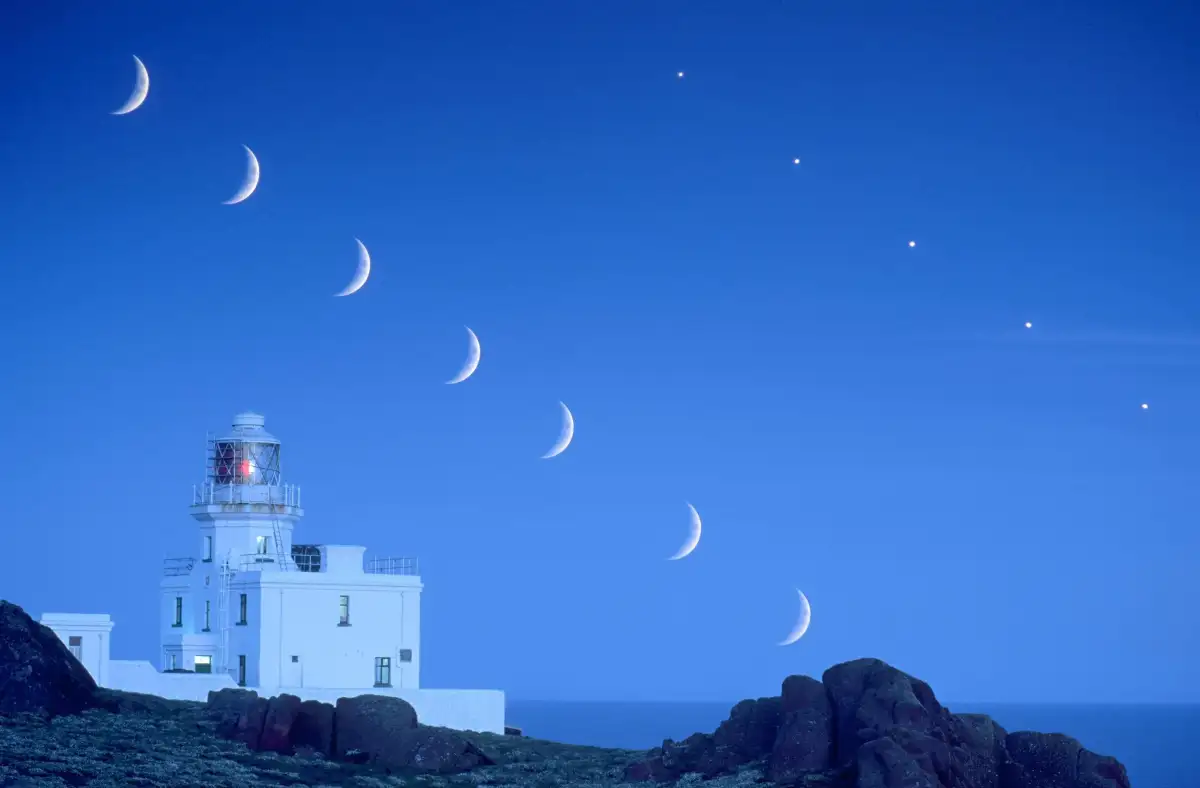
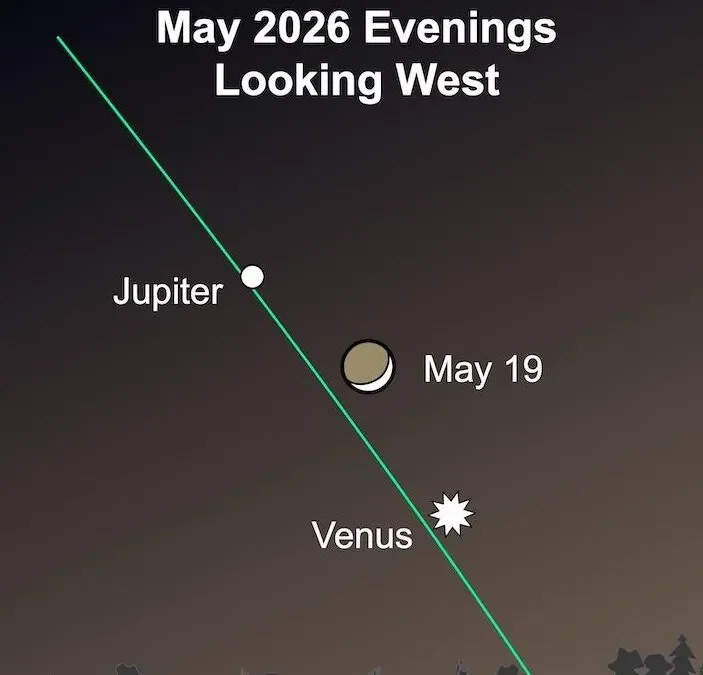
Stargazers across the Northern Hemisphere were treated to a visual spectacle on the evening of May 20th, as the waxing crescent moon positioned itself near the planet Jupiter. This cosmic rendezvous unfolded in the western sky shortly after sunset, offering a fleeting, yet striking, conjunction. The moon, appearing as a delicate sliver, appeared to "glow beside" the king of planets, creating a notable alignment within the constellation of Gemini. Both celestial bodies remained visible for several hours before dipping below the horizon.
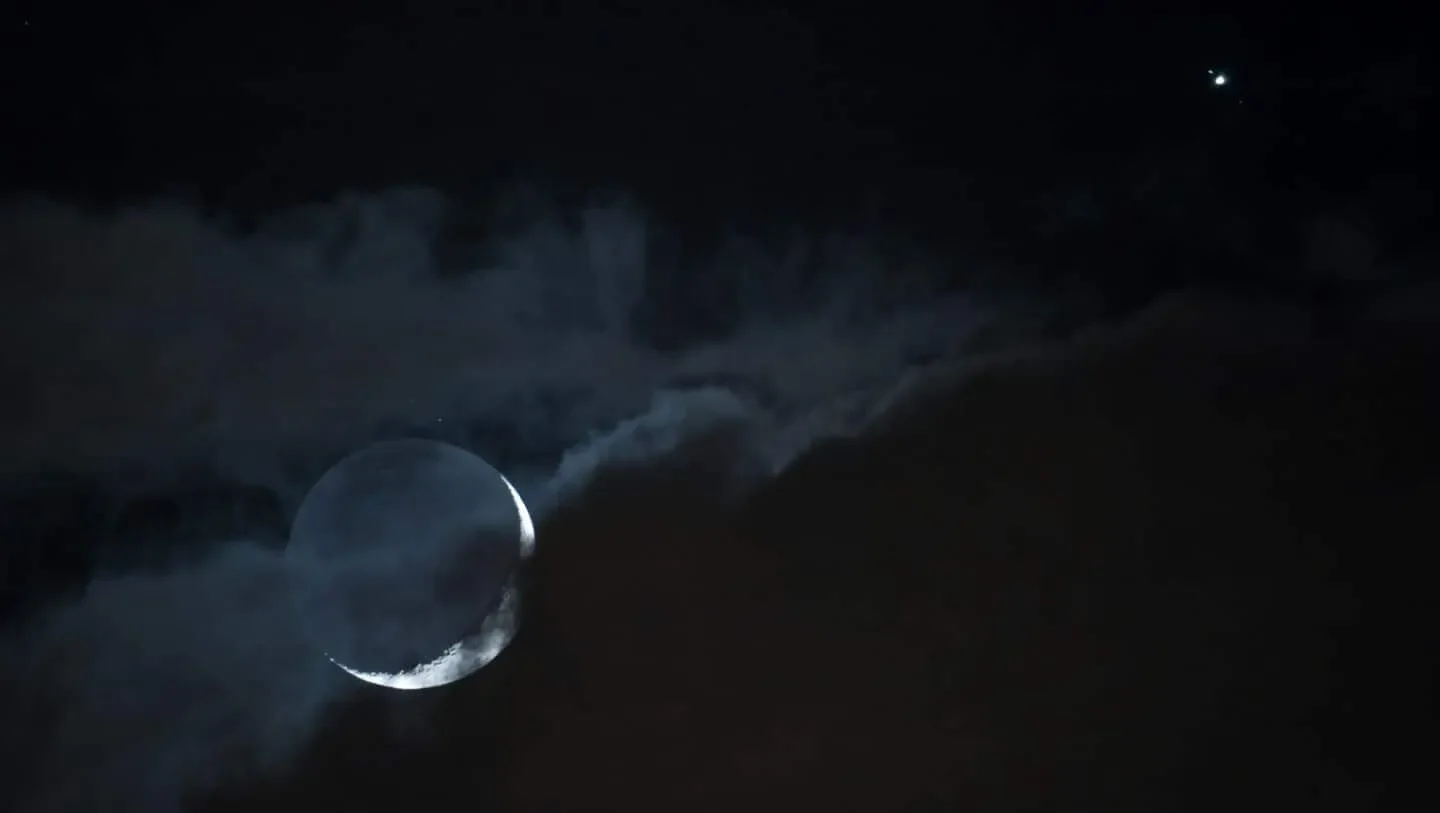
The planetary pairing isn't a singular event but part of a broader celestial narrative unfolding throughout May. For weeks, Venus and Jupiter have been prominent fixtures, outshining many stars and serving as clear reference points in the night sky. As the month progresses, their positions shift, with the moon now engaging in a visible orbital journey past these bright worlds.
Read More: Indigenous Data Rights Now Key in Conservation Genomics
Orbital Choreography
This alignment allows for a tangible, albeit slow-motion, observation of lunar motion. Over successive evenings, the moon's position shifts eastward relative to Jupiter. Observers equipped with binoculars or even modest telescopes may have been able to discern finer details. For those with a 6-inch telescope, the opportunity extended to spotting Jupiter's distinctive cloud bands, its Great Red Spot, and its four largest moons: Io, Europa, Ganymede, and Callisto. The visual dynamic of the moon gradually moving away from Jupiter offered a concrete illustration of orbital mechanics.

Broader Skyward Goings-On
While the moon and Jupiter commanded attention, other celestial events were also occurring. In the days leading up to the May 20th alignment, the crescent moon also passed by Venus. Later in the month, specifically on May 30th, a nearly full moon, poised to be a 'Blue Moon'—the second full moon of May—was set to rise shortly after sunset. This impending lunar event was predicted to appear large and tinged with orange near the horizon.
Read More: JWST Finds Oldest Barred Spiral Galaxy M1149-BSG-z5
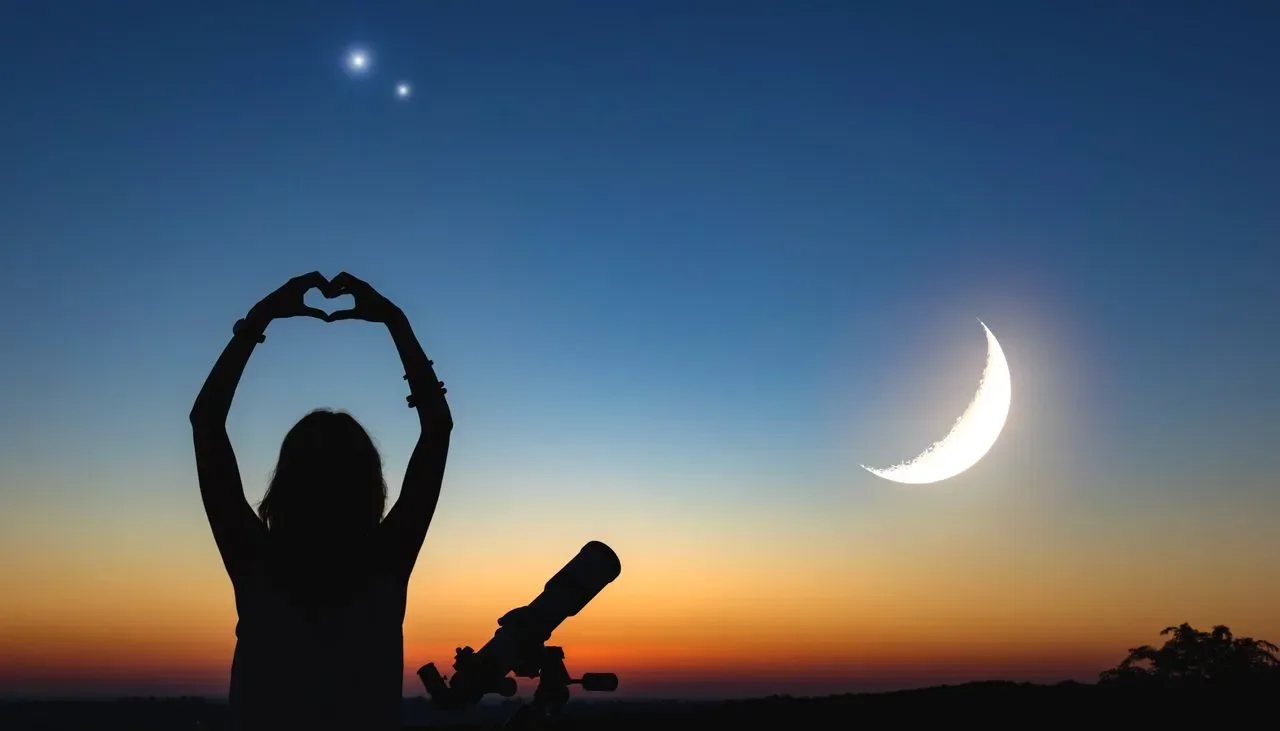
For those orienting themselves in the late spring sky, the constellation Boötes has been a dominant feature in the eastern sky after dark. Its brightest star is Arcturus. Near the zenith, Leo the Lion has also been observable. For those looking eastward before dawn, Saturn has been climbing higher, while Mercury has been making its presence felt in the evening sky. The convergence of these planetary and lunar movements provides a dynamic canvas for those who look upwards.