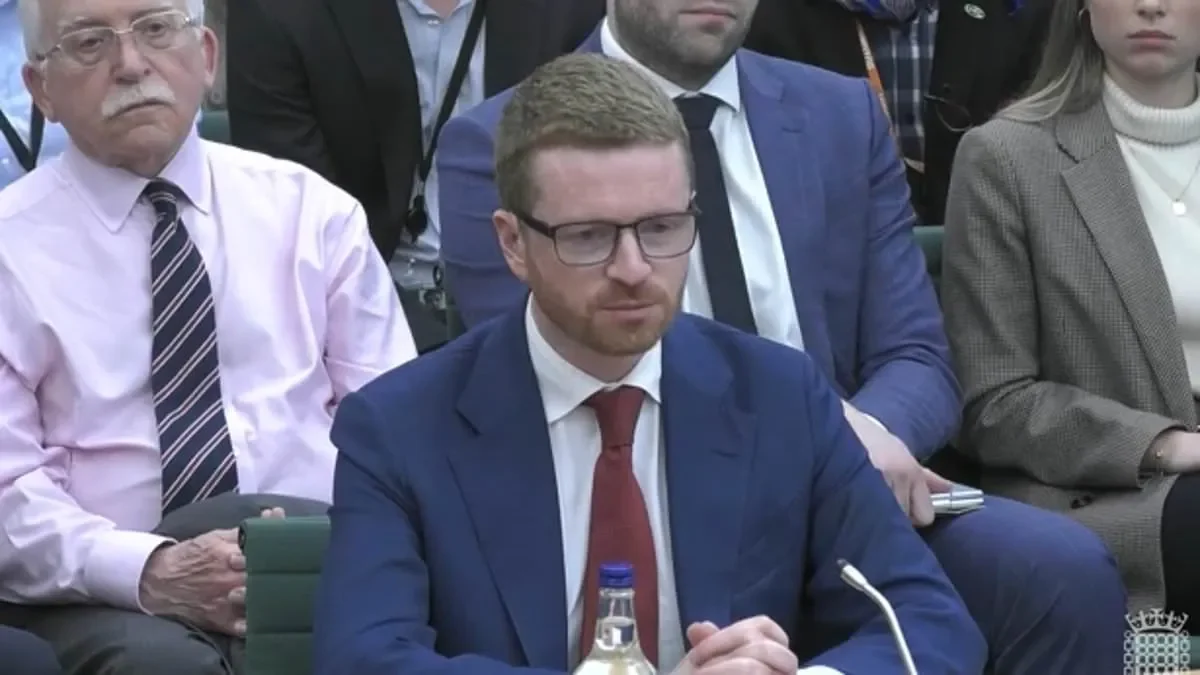
Labour frontbencher Wes Streeting has publicly advocated for the UK's eventual return to the European Union. This pronouncement, made in a recent speech, is being framed by some as a strategic maneuver within the Labour party's internal dynamics rather than a genuine bid for immediate EU reconciliation. While Streeting's stance aligns with a segment of Labour members who regret Brexit, the practicalities of rejoining appear distant, with European leaders preoccupied by more pressing global and internal issues.

Streeting's call to rejoin the EU is widely viewed as a calculated political gambit aimed at galvanizing support within the Labour party, particularly among its membership who largely favored remaining in the EU. This move is seen as essential for any credible Labour leadership contender. However, the prospect of actual re-entry faces significant hurdles. European officials are currently focused on issues such as the war in Ukraine, potential shifts in US foreign policy under a Trump administration, and the complexities of dealing with China. Internal European challenges, including the rise of populism and far-right movements, also loom large. Experts suggest that European leaders are unlikely to prioritize the UK's return, viewing it as a secondary concern.
Read More: Taiwan Holds Nantou County Drills to Prepare for State Collapse

Labour's Internal Calculations
The timing and framing of Streeting's remarks suggest a deep consideration of Labour's internal politics. Sources indicate that a clear and ambitious position on the EU is a prerequisite for success in any Labour leadership contest. Many Labour members harbor regrets about the UK's departure from Europe, making this a sensitive yet crucial topic for party figures.

Skepticism from Europe
"People in Europe will watch this and roll their eyes," stated Anand Menon, director of the UK in a Changing Europe thinktank. This sentiment underscores the perceived gap between Labour's stated aspirations and the realities of international diplomacy. European leaders, according to reports, have larger geopolitical priorities and are unlikely to see the UK's potential return as an immediate imperative. The "window to rejoin is far smaller than they imagine," with officials suggesting a focus on internal matters and existing crises.
The Blame Game
Parallel discussions have emerged regarding the Labour party's communication strategy, particularly concerning economic issues. Reports from late 2025 indicated a push within Labour circles to attribute future tax increases to Brexit. This narrative, reportedly championed by a new Starmer spin chief, aims to leverage public sentiment against the consequences of leaving the EU. Streeting himself has been quoted acknowledging Brexit as a problem, aligning with this communication approach. This suggests a dual strategy: advocating for closer EU ties while simultaneously utilizing Brexit as an explanation for domestic economic challenges.
Read More: Tess Daly wears wedding ring in London after split from Vernon Kay
Background
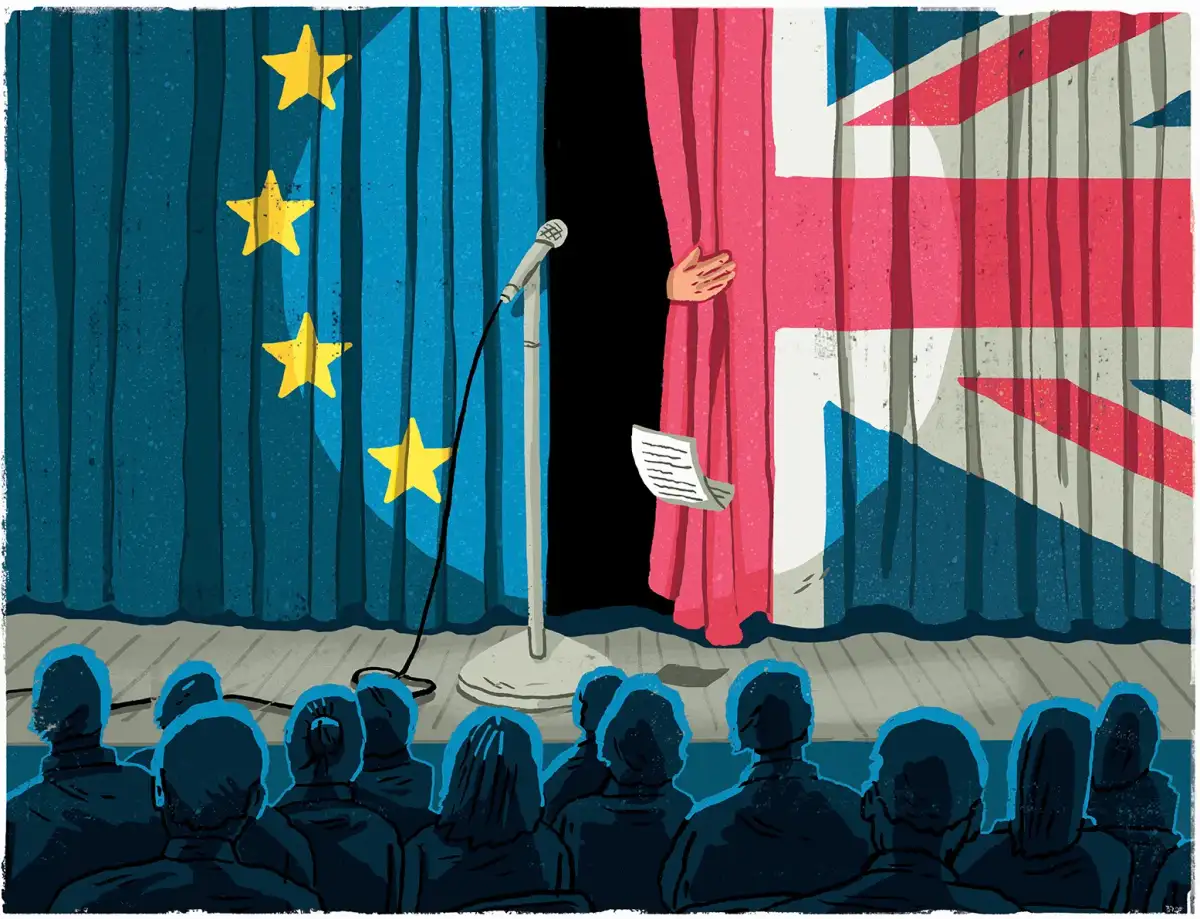
The discourse around the UK's relationship with the EU remains a contentious issue. Wes Streeting's recent statements inject a fresh perspective into Labour's ongoing internal debate about its post-Brexit identity and future direction. While the immediate impact on international relations is debated, the strategic implications for Labour's leadership aspirations are considered significant. The backdrop includes persistent economic pressures and the evolving geopolitical landscape that shapes the priorities of both the UK and European nations.