


Meta Platforms is currently assessing the feasibility of launching a cloud-based service to rent out unused computing power. As of April 7, 2026, the company—under the internal banner Meta Compute—is deliberating whether to market raw processing hardware or host third-party access to its proprietary AI models.

The core strategy shifts Meta from an internal consumer of hardware to a commercial provider, effectively entering a high-stakes competition with established incumbents such as Amazon Web Services (AWS), Microsoft Azure, and Google Cloud.

Strategic Vectors of Deployment
The internal deliberations suggest two primary paths for this commercial transition:
Bare Metal Access: Offering external clients direct rental of specialized chips and data center capacity that remains idle after fulfilling Meta's primary operational needs.
Model Hosting (Model-as-a-Service): Developing a platform analogous to AWS Bedrock, where Meta charges developers to run applications on the company's internal infrastructure using models like its Muse Spark architecture.
| Comparison Feature | Established Cloud (AWS/Azure) | Meta (Proposed) |
|---|---|---|
| Primary Revenue | Diverse enterprise services | Primarily Advertising |
| Current Infrastructure | Multi-tenant scale | Purpose-built for social media |
| Entry Strategy | Holistic cloud ecosystems | Monetizing excess compute |
Fiscal Context and Market Sentiment
Following reports of this initiative on July 1, 2026, Meta's stock value experienced a notable uptick, climbing approximately 9%. The move is widely interpreted as a tactical response to the massive capital expenditures required to maintain their aggressive AI build-out.
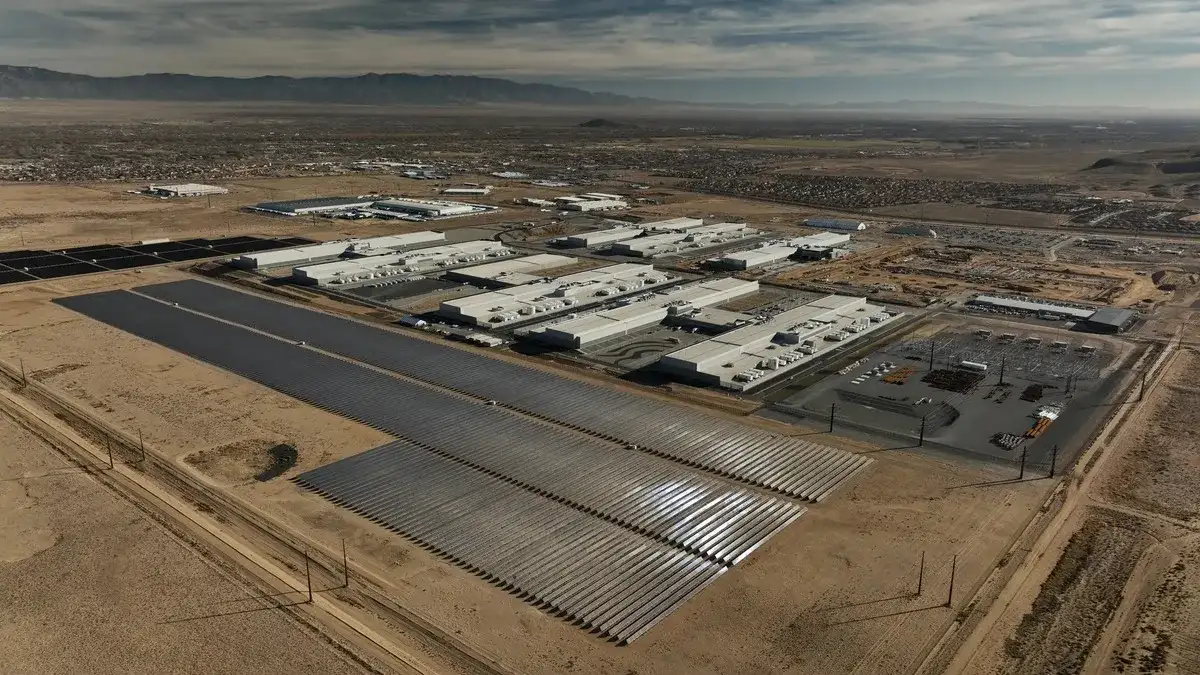
"Meta has spent years telling Wall Street its data centers existed to serve Facebook, Instagram and WhatsApp users," according to recent financial analysis. By pivoting to a cloud-service provider (CSP) model, the firm seeks to recoup the billions deployed in the Meta Compute initiative, which aims to install tens of gigawatts of capacity over the decade.
Background: From Social Media to Infrastructure
For years, Meta’s data centers operated as cost centers, engineered exclusively to sustain the heavy computational load of the company’s social applications. The shift toward a "cloud business" reflects a departure from this closed-loop model. While CEO Mark Zuckerberg has previously signaled a potential interest in cloud competition should internal over-provisioning occur, this development marks the first formal movement toward executing that intent.
Read More: Chrome mimeHandler API lets extensions handle file types
Analysts observe that unlike OpenAI or Google, Meta has not yet demonstrated significant, scalable revenue streams tied directly to its open-weight AI family (Llama). By transitioning to a provider of "raw power," Meta attempts to decouple its fiscal health from the volatility of ad-based growth, positioning itself as a foundational utility for the broader artificial intelligence market.





