

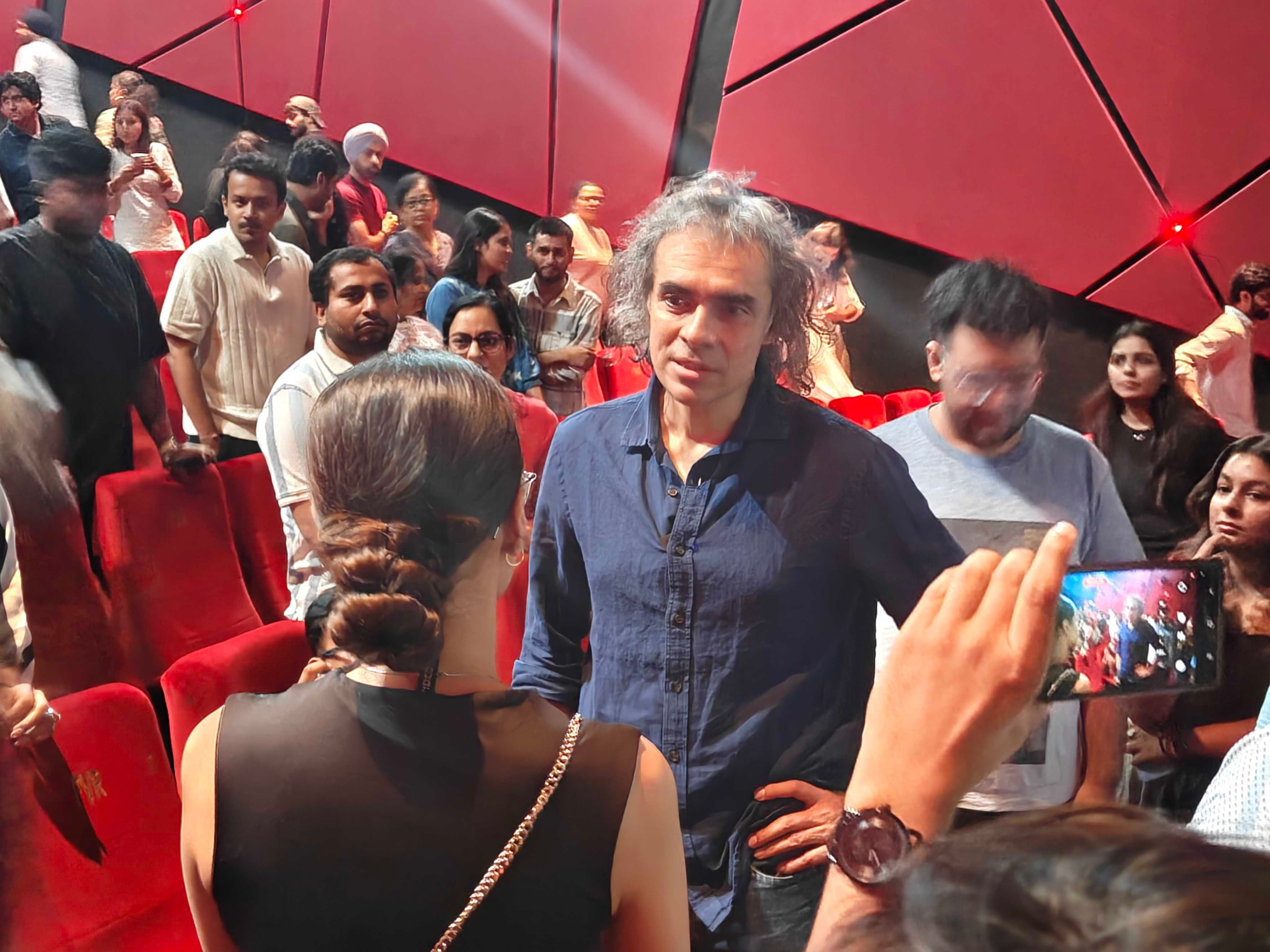
The commercial trajectory of Imtiaz Ali’s Main Vaapas Aaunga has deviated from the standard velocity of contemporary cinema. Released on June 12, 2026, the film initially suffered from a sluggish reception, only to undergo a substantial expansion in viewership through the subsequent two weeks. By the second Saturday, the film achieved a revenue peak of ₹4.35 crore, a figure that significantly eclipsed its opening-day performance.
| Timeline Phase | Financial/Cultural Status |
|---|---|
| Opening (June 12) | Lukewarm reception |
| Week 1 (Mid-week) | Upward trend in daily collections |
| Week 2 | Sustained growth and critical reclamation |
The film’s endurance is rooted in a divergence from algorithm-driven hype, relying instead on intergenerational resonance regarding the 1947 Partition. This shift suggests that for a segment of the audience, the film serves less as entertainment and more as a conduit for familial and historical archives.
A Fracture in Promotional Logic
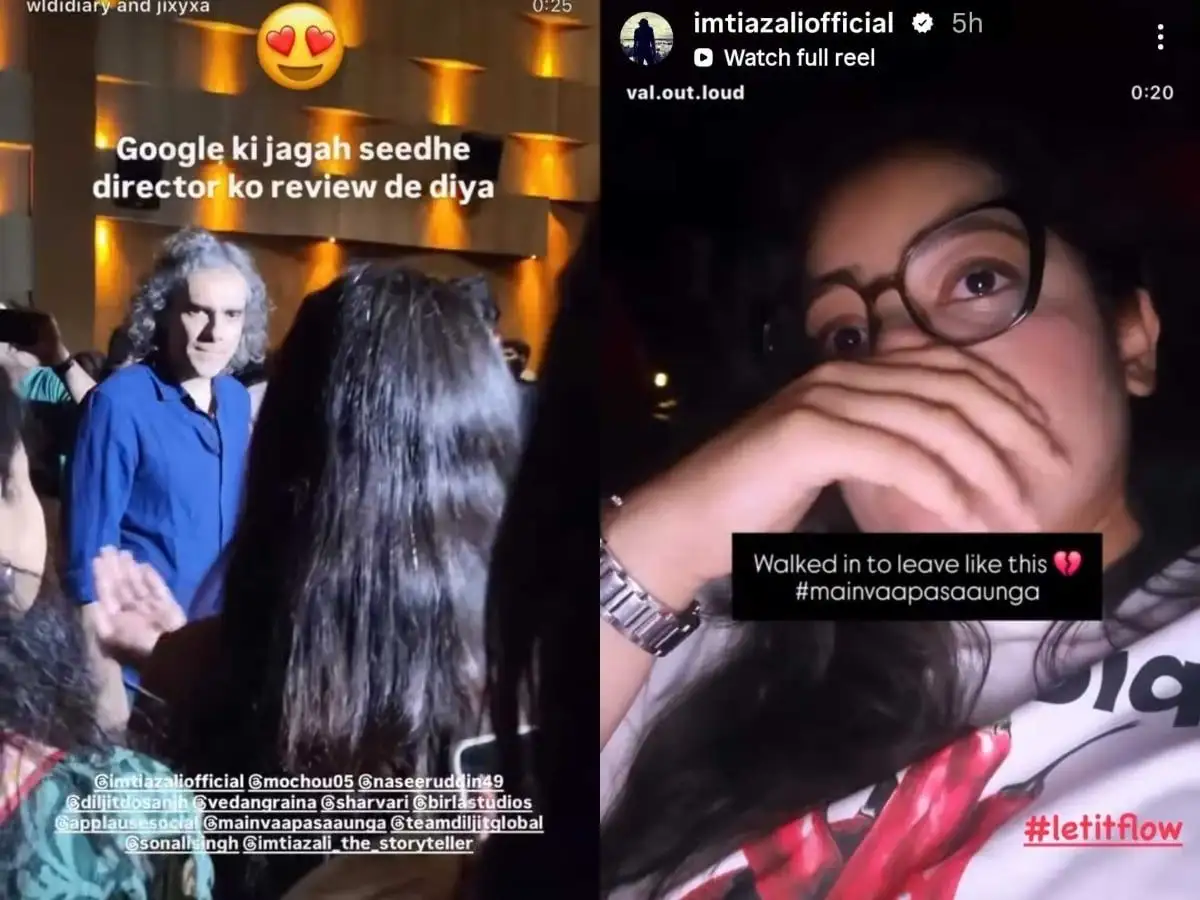
The reliance on traditional marketing proved secondary to the organic, often visceral responses documented in theater environments. Observers noted that the emotional gravity—occasionally manifested in public displays of grief—catalyzed interest among younger cohorts, including Gen Z.
Read More: Taylor Swift and Travis Kelce Marry at Madison Square Garden
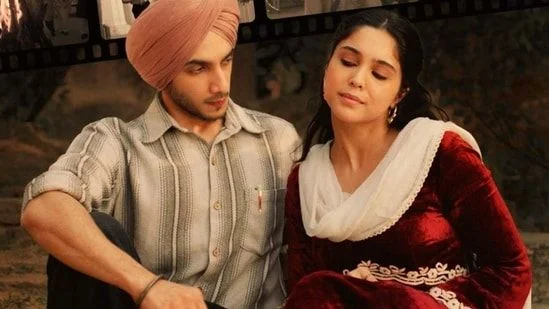
The film functions as an intergenerational bridge; elderly viewers find validation for lived experiences of displacement, while younger audiences identify with the sub-themes of modern estrangement and identity.
Naseeruddin Shah’s performance, paired with Diljit Dosanjh, anchors the narrative, preventing the historical backdrop of Partition from devolving into mere set dressing or political exposition.
The Anatomy of the Narrative
The film tracks the character Ishar Singh (portrayed by Naseeruddin Shah in the present and Vedang Raina in flashbacks), who, while incapacitated by a stroke, attempts to reconcile with the history of his separation from Afsana/Jiya (Sharvari). The central motif—the promise of return—acts as the film’s emotional spine.
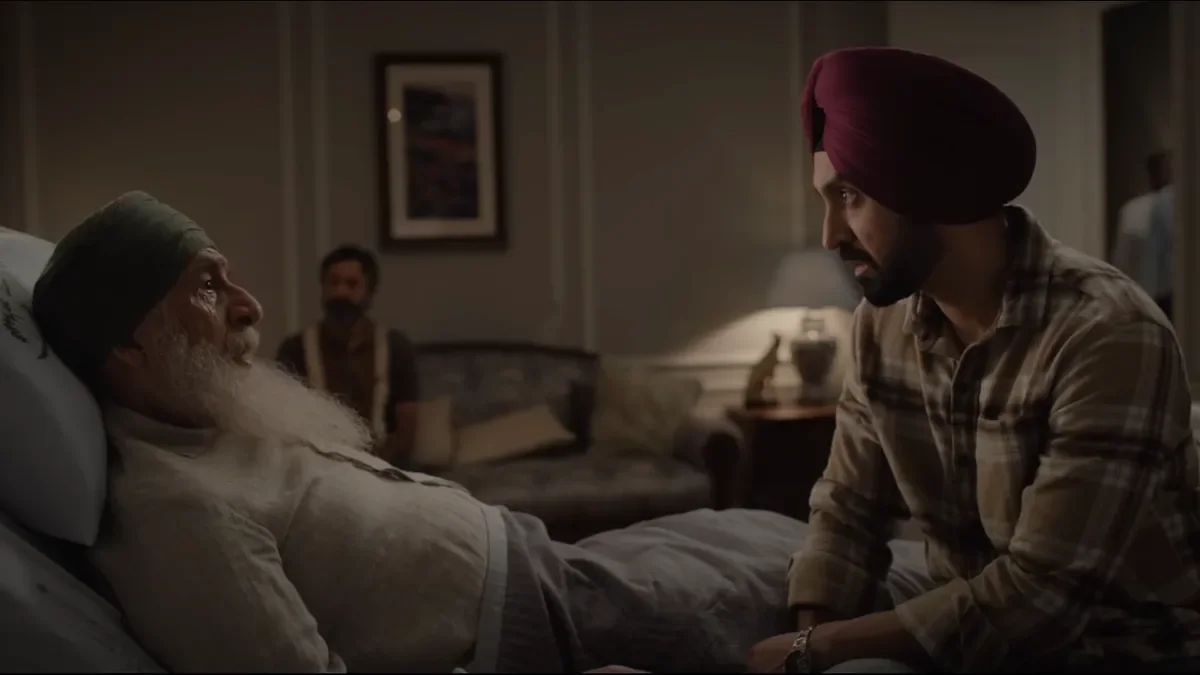
By situating this personal tragedy within the broader geopolitical rupture of 1947, Imtiaz Ali and co-writer Nayanika Mehtani have utilized a poetic character study to engage with trauma. The score, composed by A.R. Rahman, integrates the synthesis of global sounds with the specific, rhythmic tradition of Punjab, reinforcing the theme of displacement—a state where "transit is no longer a choice of self-exploration, but a desperate battle for survival."
This success highlights a fatigue with transient digital trends. In a market dominated by rapid-cycle consumption, Main Vaapas Aaunga has survived by demanding a slower, more deliberate form of engagement from its audience.
Read More: Pierre Coffin directs new Minions and Monsters movie in June 2026



:max_bytes(150000):strip_icc():focal(799x0:801x2)/nyc-sky-taylor-swift-travis-kelce-wedding-070326-2dc0d912004b400eac2c8c8b5adeff2a.jpg)
