


Russian director Andrey Zvyagintsev, known for critical examinations of his homeland, has resurfaced at the Cannes Film Festival with his first film in nine years. This marks a significant moment following an extended absence, precipitated by a severe bout of COVID-19 that left him hospitalized for 11 months and with 90% lung damage.

The director's return to the international cinematic stage, particularly at Cannes, is underscored by his arduous recovery from a life-threatening illness. Zvyagintsev endured a coma, was placed on life support, and faced profound physical debilitation, including the relearning of basic motor functions like walking and holding a spoon. This personal ordeal occurred against a backdrop of significant geopolitical events, with Zvyagintsev reportedly learning of Russia's invasion of Ukraine while in a weakened state.

A Path Paved with Adversity
The severe COVID-19 infection left Zvyagintsev in critical condition in a German clinic. Reports indicate he was in a medically-induced coma and on extracorporeal life support (ECLS). His recovery was not immediate, with descriptions pointing to him being wheelchair-bound for a period, indicating the lingering effects of the illness.
Read More: Taylor Swift and Travis Kelce Marry at Madison Square Garden
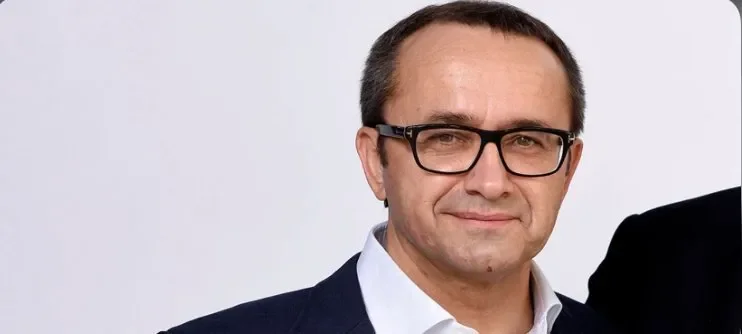
"It was a shock; I felt immense pain and deep despair," Zvyagintsev has stated regarding his health crisis.
Thematic Resonance in Zvyagintsev's Work
Zvyagintsev's films, including acclaimed works like Leviathan, Loveless, and The Return, have frequently been characterized as sharp allegories reflecting on societal apathy and state oppression within Russia. His directorial career has consistently explored complex themes of authority, morality, and the human condition, often through narratives of fractured families and challenging patriarchal figures.
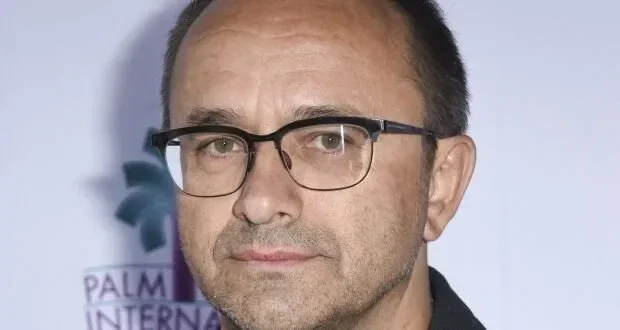
His cinematic output prior to this recent illness includes works that have garnered international recognition, positioning him as a significant voice in contemporary cinema. The narrative of his return is now intertwined with the physical and emotional challenges he has navigated, lending a new layer of intensity to his presence at Cannes.



:max_bytes(150000):strip_icc():focal(799x0:801x2)/nyc-sky-taylor-swift-travis-kelce-wedding-070326-2dc0d912004b400eac2c8c8b5adeff2a.jpg)