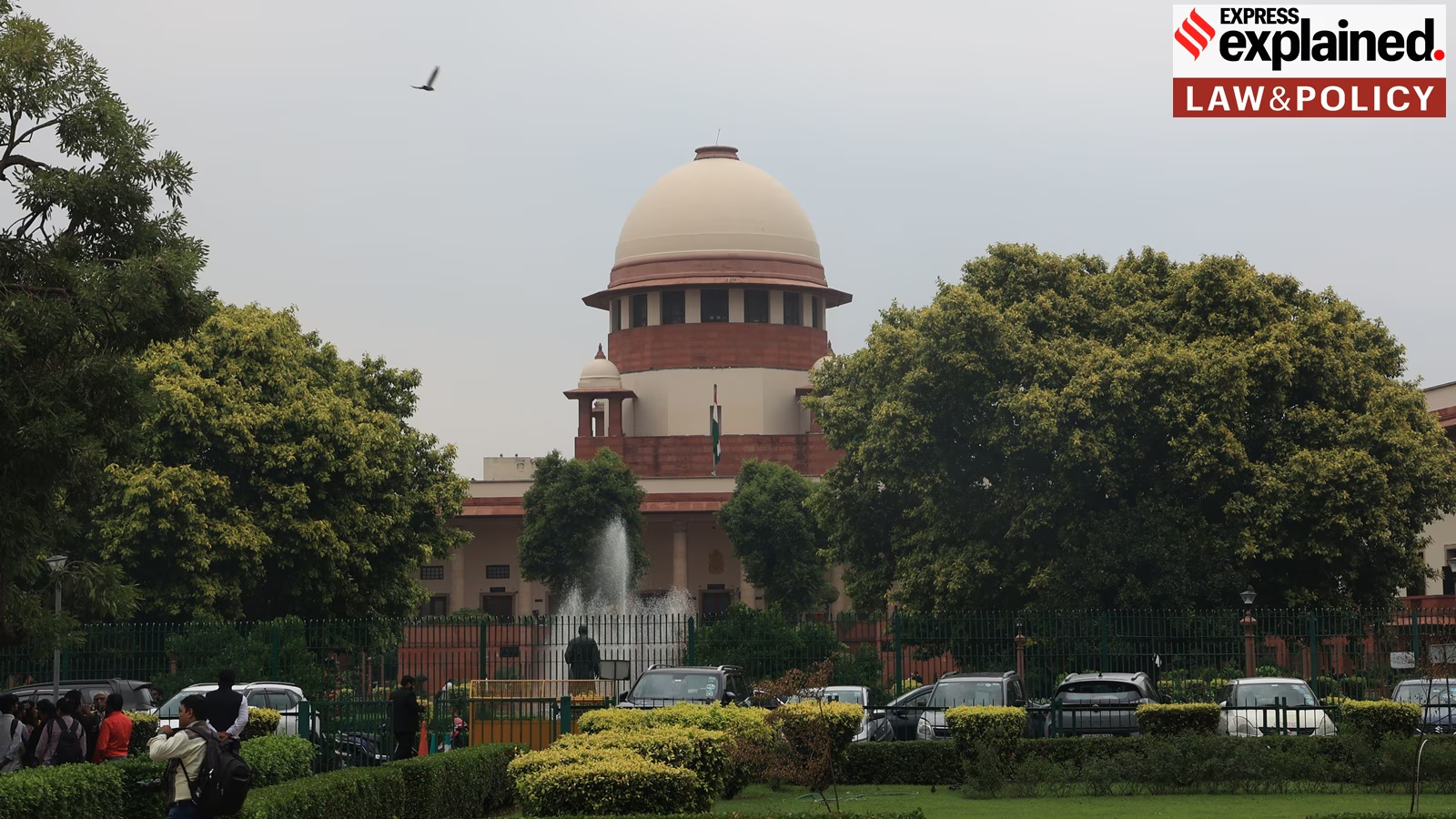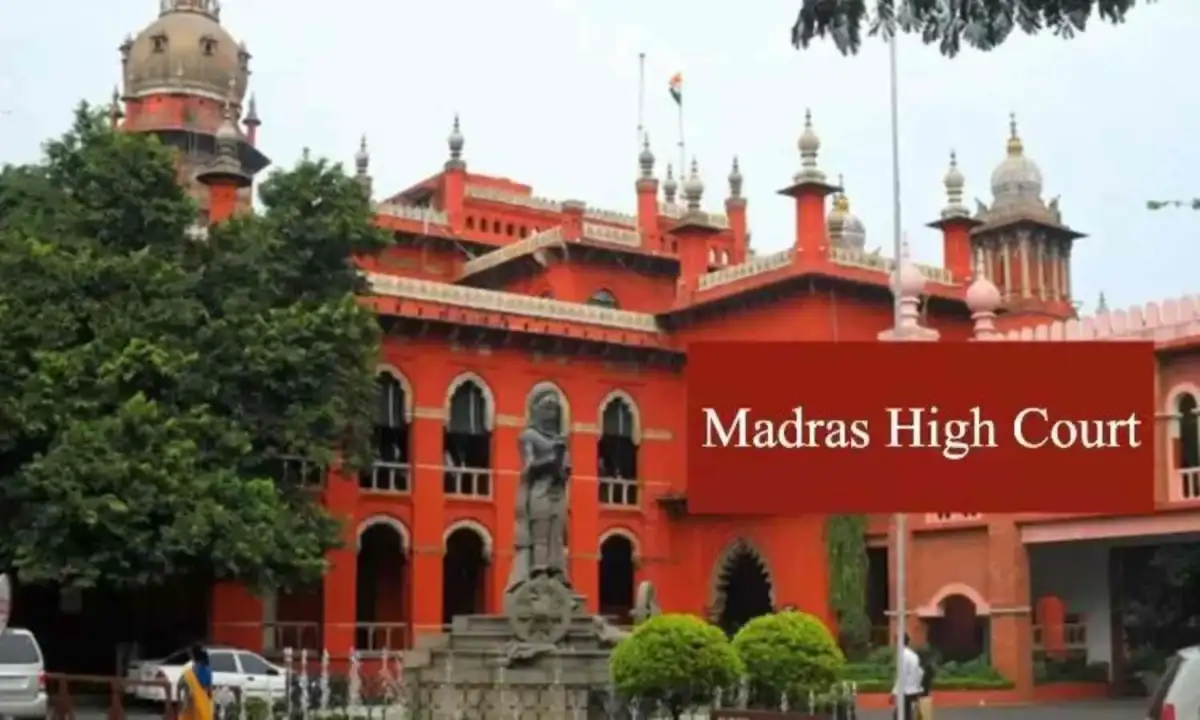
Recent rulings from the Madras High Court clarify that High Courts cannot order counselling for medical admissions to proceed past the established deadline, even if seats remain unfilled. This decision stems from concerns about maintaining procedural integrity and adhering to Supreme Court directives on admission timelines.
The admission process for medical courses involves multiple rounds of counselling, overseen by bodies like the Medical Counselling Committee (MCC) and the Director General of Health Services (DGHS). These processes are governed by strict timelines set to ensure timely completion of admissions. However, situations arise where medical seats, particularly in super-specialty courses, remain vacant after the final admission deadline. This has led to legal challenges and interventions by High Courts, seeking to fill these seats.
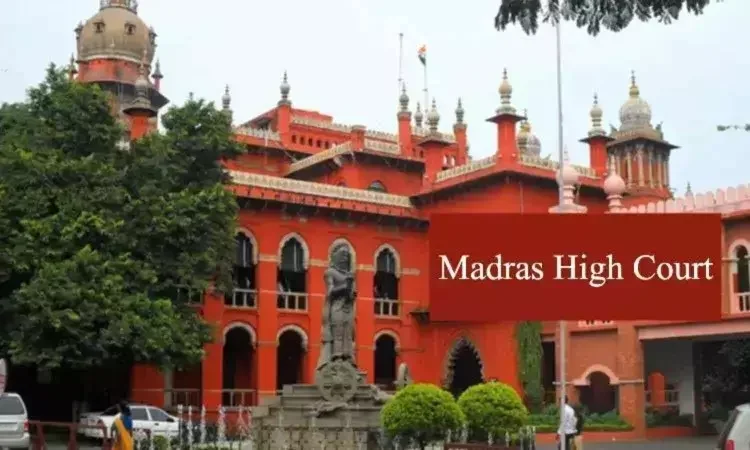
The core of the dispute lies in balancing the need to utilize educational resources with the imperative to adhere to established admission schedules. While vacant seats represent a loss of potential educational opportunity and a drain on institutional resources, allowing extensions indefinitely could disrupt the entire academic calendar and potentially lead to arbitrary practices.
Read More: High Court Rules Designer Katie Perry Can Use Her Name on Clothes
Judicial Interpretations on Admission Timelines
The Madras High Court, in a recent decision, has firmly stated that it cannot mandate counselling sessions beyond the stipulated cut-off date for medical admissions. This stance aligns with the principle that while High Courts possess broad writ jurisdiction under Article 226 of the Constitution to address arbitrariness, their powers are not unfettered when it comes to overriding established regulations, especially those with the imprimatur of the Supreme Court.

Supreme Court's Role: The Division Bench noted that only the Supreme Court, in specific circumstances, can carve out exceptions to these established timelines.
"Pandora's Box" Concern: Permitting High Courts to order counselling beyond the cut-off date could lead to an uncontrollable situation with unpredictable consequences.
Adherence to Regulations: The court referenced the Supreme Court's pronouncement in Ashish Ranjan versus Others (2021), which underscored that medical admission regulations, including strict timelines, have received authoritative approval from the apex court.
Addressing Vacant Super-Specialty Seats
Despite the clear stance on deadlines, the issue of vacant super-specialty seats has prompted specific directions from the Madras High Court. In a notable instance, the Court directed the DGHS and the MCC to conduct a mop-up round of counselling for the NEET Super-Specialty 2024-2025 exam to fill approximately 600 vacant seats.
Petitioners' Argument: Counsel for the petitioners argued that denying a mop-up round would result in the arbitrary non-utilization of valuable resources in public and private medical institutions.
Court's Direction: The Court mandated that the mop-up counselling be conducted within four weeks.
Efforts to Prevent Seat Blocking and Ensure Merit
The broader context of medical admissions, particularly postgraduate (NEET-PG), has seen significant intervention from the Supreme Court to address practices like seat-blocking. These reforms aim to ensure that admissions are based on merit and that higher-ranked candidates are not disadvantaged by candidates holding multiple seats.
Read More: India Creators Fight Back Against Book Censorship and Event Disruptions
Supreme Court's Mandate: Reforms include introducing multiple rounds of counselling and mandating mechanisms like Aadhaar-based seat tracking to prevent candidates from occupying multiple seats.
High Court's Role in Reforms: High Courts have supported the need for robust mechanisms to prevent seat-blocking and have previously issued directions, including compensation for aggrieved candidates, although the quantum of compensation has been adjusted by the Supreme Court.
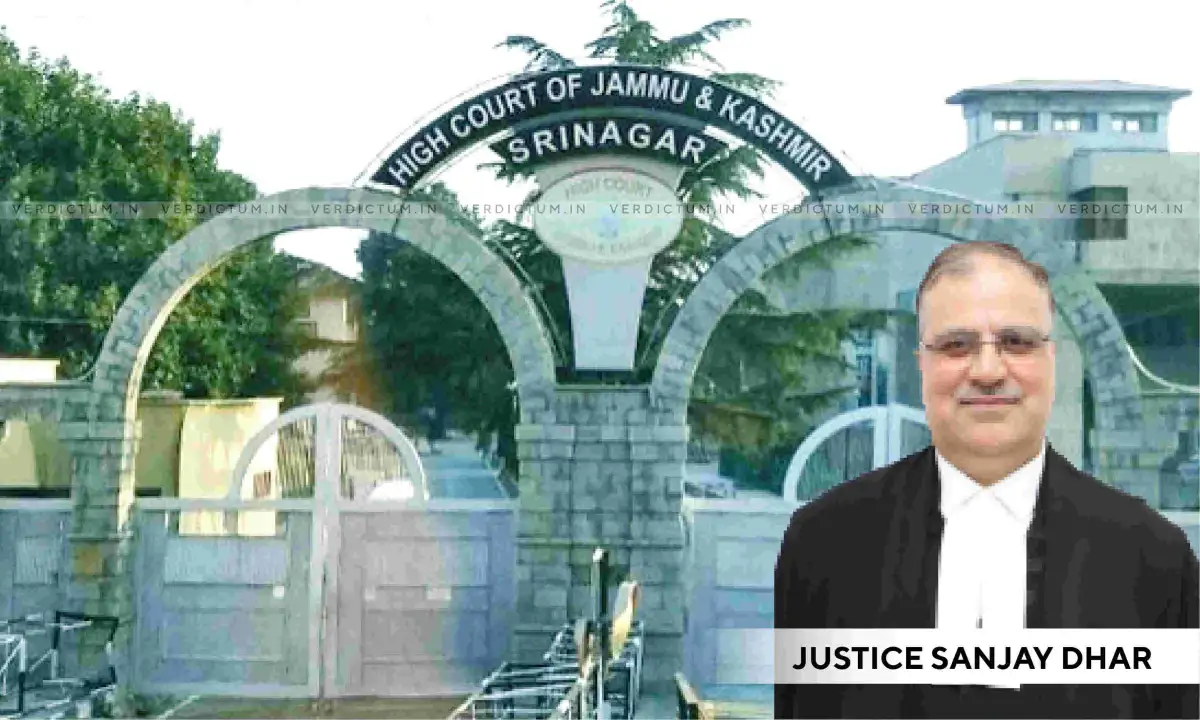
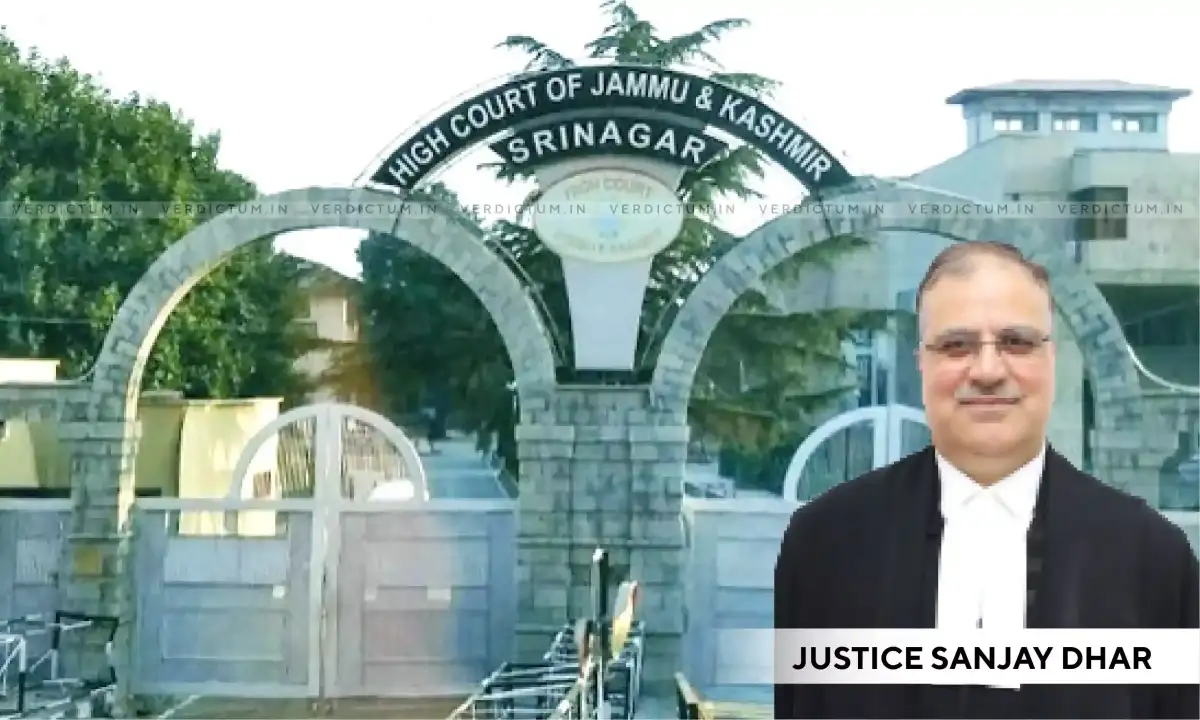
Candidate Participation Rules: Regulations, as noted by the J&K and Ladakh High Court, restrict candidates from participating in further counselling rounds after joining a seat in a previous round, preventing the manipulation of the system.
differing Judicial Approaches
While the Madras High Court's recent ruling emphasizes adherence to deadlines, other High Courts have previously sought to ensure vacant seats are filled. The Gujarat High Court, for instance, questioned the impediments to conducting an additional round of admissions for vacant MBBS seats and directed authorities to provide justifications.
Gujarat HC's Inquiry: The Court asked for the "impediment and justifiable reason" for not conducting another admission round for vacant MBBS seats.
Arguments for Additional Rounds: Petitioners have pointed to resolutions by the MCC and NMC to conduct additional rounds for other courses (like BDS) as a precedent for similar action in MBBS admissions.
Expert Analysis
Legal experts highlight the inherent tension between procedural adherence and resource utilization. “The Supreme Court’s consistent emphasis on adhering to timelines for NEET admissions reflects a larger objective of ensuring transparency and a fair selection process. However, the challenge remains in balancing this with the pragmatic reality of vacant seats, which can be detrimental to both students and institutions,” notes a legal analyst.
The judicial pronouncements underscore the hierarchical structure of legal authority, where High Courts operate within the framework set by the Supreme Court. While High Courts possess significant powers to ensure justice, they are generally bound by the apex court’s interpretations of regulations governing specific processes like medical admissions. The ongoing dialogue between various High Courts and the Supreme Court suggests a continuous effort to refine admission procedures and address persistent issues.
Read More: Supreme Court Clarifies OBC 'Creamy Layer' Income Rule for PSU and Private Jobs
Conclusion
The Madras High Court's definitive stance prohibits ordering counselling beyond admission deadlines, irrespective of vacant seats. This ruling reinforces the Supreme Court's regulatory framework for medical admissions, emphasizing strict adherence to established timelines. While the intention behind such deadlines is to ensure a structured and equitable process, the issue of vacant seats, particularly in specialized medical fields, continues to present a complex challenge. Future resolutions will likely involve finding mechanisms that respect established timelines while also addressing the efficient utilization of educational resources and ensuring that qualified candidates do not miss opportunities due to procedural rigidity. The Supreme Court's pronouncements remain the ultimate arbiter on exceptions and further reforms in this domain.
Sources Used:
The Hindu: Article 1, "High Courts cannot order conduct of counselling beyond admission deadline even if medical seats go vacant: Madras HC," published February 13, 2026. https://www.thehindu.com/news/national/tamil-nadu/high-courts-cannot-order-conduct-of-counselling-beyond-admission-deadline-even-if-medical-seats-go-vacant-madras-hc/article70627193.ece
Medical Dialogues: Article 2, "600 Super-speciality seats lying vacant- Madras HC tells MCC, DGHS to conduct NEET SS mop up round," published September 20, 2025. https://medicaldialogues.in/news/education/medical-admissions/600-super-speciality-seats-lying-vacant-madras-hc-tells-mcc-dghs-to-conduct-neet-ss-mop-up-round-155574
The Indian Express: Article 3, "All vacant MBBS seats will be filled up, medical counselling committee tells HC," published December 19, 2025. https://indianexpress.com/article/legal-news/all-vacant-mbbs-seats-will-be-filled-up-medical-counselling-committee-tells-hc-10429519/
The Legal Affair: Article 4, "Supreme Court Mandates Sweeping Reforms to Tackle Seat-Blocking in NEET-PG Admissions." https://thelegalaffair.com/news/supreme-court-mandates-sweeping-reforms-to-tackle-seat-blocking-in-neet-pg-admissions/
NDTV: Article 5, "Supreme Court's 'Chance vs Merit' Order Against NEET-PG Seat-Blocking," published May 22, 2025. https://www.ndtv.com/india-news/supreme-court-neet-pg-process-governed-more-by-chance-top-court-slams-neet-pg-seat-blocking-8479120
Verdictum: Article 6, "NEET PG Candidates Cannot Participate In Further Rounds After Joining 3rd Round Of Counselling For State Or All India Quota : J & K And Ladakh HC." https://www.verdictum.in/court-updates/high-courts/neet-pg-candidates-already-participating-in-3rd-round-cannot-participate-in-further-rounds-jkl-hc-1505320
Legal Bites: Article 7, "Case Summary: National Medical Commission v. Index Medical College, Hospital and Research Centre & Ors. (2025) | NEET-UG Counselling and Conditional Renewal of MBBS Seats," published September 5, 2025. https://www.legalbites.in/landmark-judgements/case-summary-national-medical-commission-v-index-medical-college-hospital-and-research-centre-ors-2025-neet-ug-counselling-and-conditional-renewal-of-mbbs-seats-1182945
Indian Kanoon: Article 8, "Dr.Madesh Ramamoorthy vs State Of Tamil Nadu on 24 November, 2023." https://indiankanoon.org/doc/133046546/