Macau has been bolstering its defenses against typhoons not through massive seawalls, but by investing in and restoring its natural coastal systems. This strategy, emphasizing the reconstruction of mangroves and wetlands, appears to be the cornerstone of the region's evolving approach to storm resilience. The success of this method is becoming increasingly apparent as the territory navigates the intensifying threats posed by climate change.
The shift away from purely structural defenses signals a recognition of the multi-layered benefits offered by healthy ecosystems. These natural barriers absorb storm surges, dissipate wave energy, and mitigate coastal erosion far more effectively and sustainably than concrete alone. This approach addresses the root causes of vulnerability rather than merely treating the symptoms.
While Macau is known for its high population density, with the majority concentrated on the Macau Peninsula, and its status as a vital free port reliant on trade, the focus on ecological fortification suggests a broader understanding of what constitutes robust infrastructure. The long-term implications for its economic stability and the safety of its populace are significant.
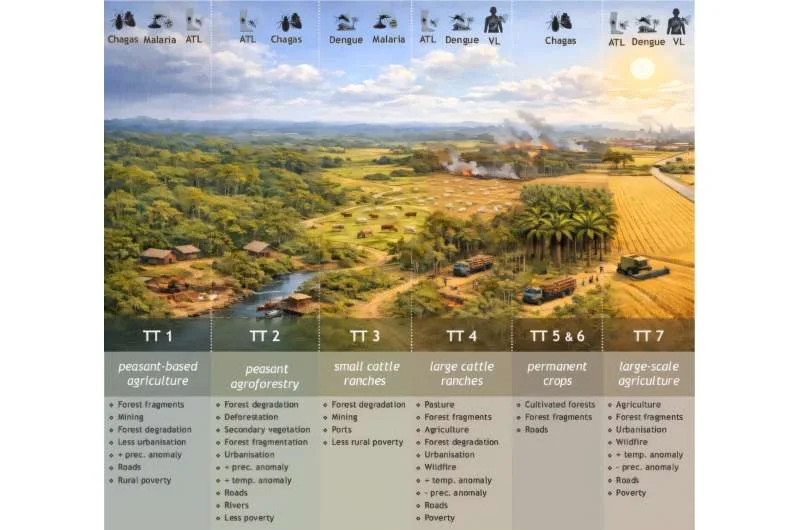
Read More: Amazon Land Use Changes Cause Disease Clusters in Brazil
The region's history as a Portuguese colony and its subsequent return to Chinese sovereignty in 1999, making it a Special Administrative Region, has shaped its unique identity. However, the current operational strategies for hazard mitigation appear to transcend its political and historical narratives, focusing instead on a pragmatic, nature-informed adaptation to environmental pressures. The resilience plan integrates ecological considerations into urban planning and disaster preparedness, moving beyond conventional engineering solutions.