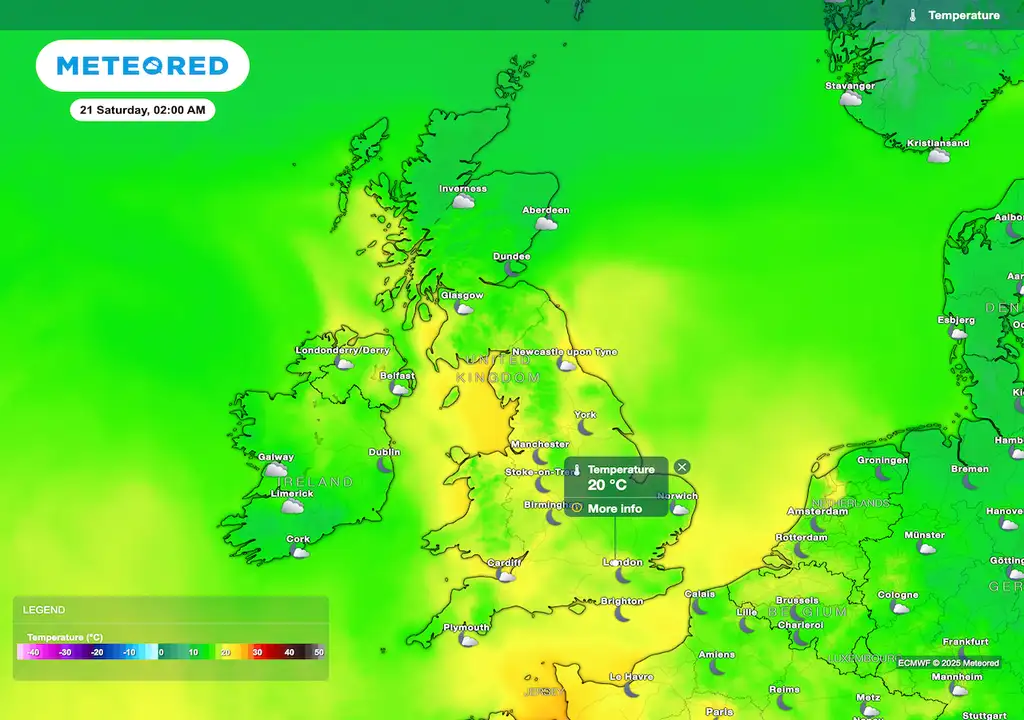
Temperatures across London and southern England failed to dip below 20 degrees Celsius overnight, marking the first "tropical night" ever recorded in the UK during May. This phenomenon, defined by nights where temperatures remain above this threshold, underscores a stark departure from typical British weather patterns.

The city experienced a sweltering Monday following what is provisionally the hottest May day on record. Kew Gardens in south-west London registered 34.8C, while Kenley Airfield in south London recorded an overnight low of 21.3C. This sustained warmth broke previous records for both daytime highs and overnight minimums in May, with multiple locations across the country exceeding 30C.
Infrastructure and Health Strains Emerge
The uncharacteristic heat has triggered health alerts and strained public infrastructure. Reports indicate that UK housing, often not designed for sustained high temperatures, offers little respite for residents. This unusual weather event has amplified public discourse on the implications of a changing climate, particularly in a region unaccustomed to such extremes.
Read More: Mumbai Red Alert July 2026 Causes School Closures and Train Delays

Wider Impacts and Social Fabric
The heatwave has not been without its tragic consequences. A 13-year-old boy died after encountering difficulties in a West Yorkshire reservoir on Monday. Separate incidents also saw the deaths of teenagers in other locations. These events cast a somber shadow over the record-breaking temperatures, highlighting the dangers associated with extreme heat and open water.
Understanding the 'Tropical Night' Phenomenon
A 'tropical night' is characterized by overnight temperatures that do not fall below 20C. While common in tropical and subtropical regions, such nights are exceedingly rare in the UK, where summers typically feature cooler overnight periods. Urban areas, due to the 'urban heat island' effect, are more prone to experiencing these warmer nights.
The recent meteorological spring also saw record-breaking temperatures, with the provisional all-time hottest spring temperature recorded on Monday. The previous warmest May night in the UK, also recorded at Kenley Airfield, was 19.4C on Sunday, illustrating a rapid escalation in overnight warmth.
Read More: Woman's face went numb: Stroke symptoms missed as migraine in London
This sustained period of high temperatures is occurring against a backdrop of warnings that man-made climate change is accelerating global warming, leading to an increased frequency of extreme weather events. The current situation in the UK, a nation unaccustomed to such heat, is prompting widespread discussion and concern regarding adaptation and resilience.