Washington, DC - Representatives from Israel and Lebanon have declared an agreement to extend an existing ceasefire, coupled with plans for expanded political settlement talks. This announcement, made on Friday, May 15, 2026, by the United States, comes despite Israel carrying out further strikes into southern Lebanon. Israel maintains these actions are outside the scope of the truce. The renewed ceasefire is set to last for 45 days, building upon the April 17th agreement.
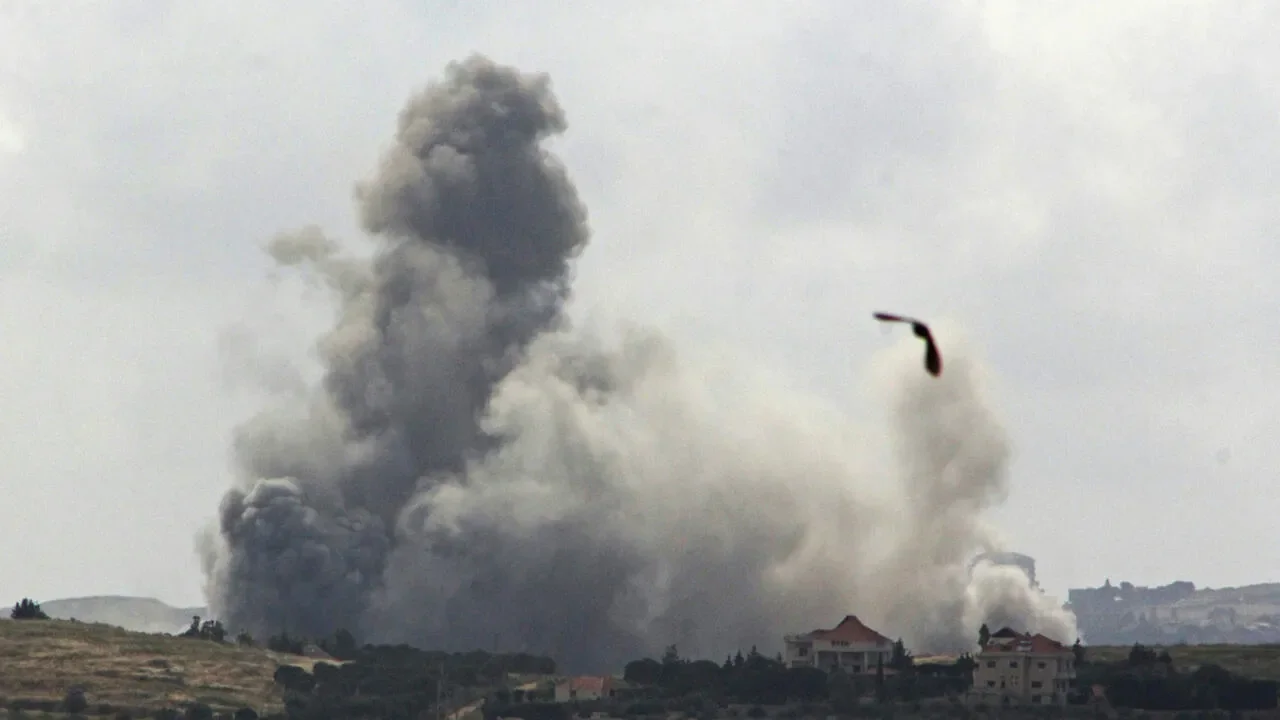
The core tension remains: a declared ceasefire extension coexisting with ongoing Israeli military operations within Lebanese territory, primarily targeting Hezbollah infrastructure.
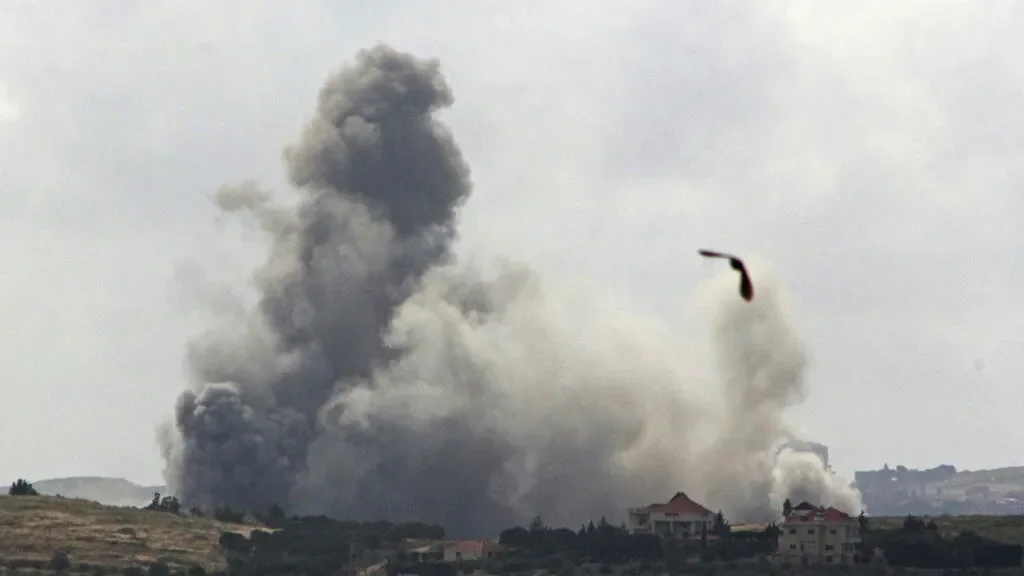
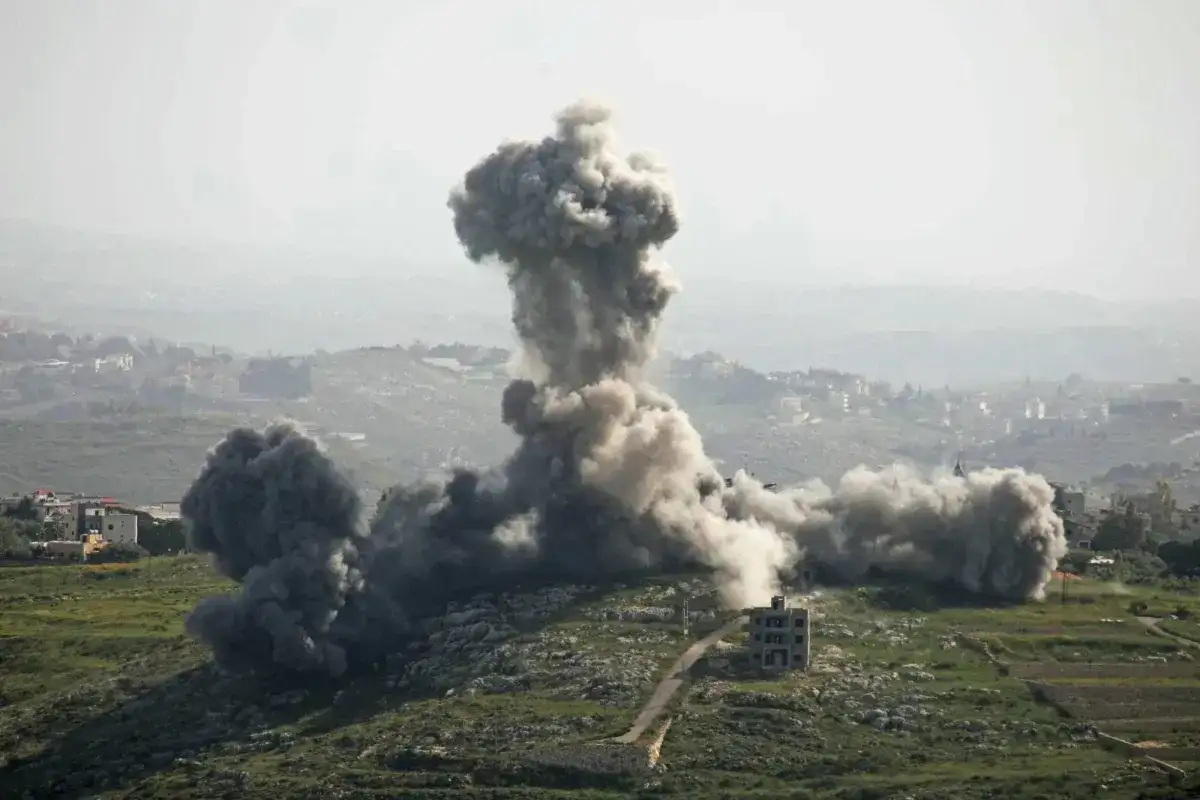
Late Saturday, May 16, 2026, the Israeli military stated it had conducted new airstrikes against Hezbollah targets across southern Lebanon. This occurred mere hours after the ceasefire extension was announced. The Lebanese state news agency reported that an Israeli strike on a civil defence center in southern Lebanon early Saturday resulted in at least six fatalities, including three paramedics, and left 22 others wounded. This follows previous reports of Israeli strikes causing civilian casualties, with a May 1st report detailing 17 deaths, including two children, and 35 injured.
Read More: Taiwan Holds Nantou County Drills to Prepare for State Collapse
"The priority was ensuring Israel's security."— Yechiel Leiter, Israeli Ambassador to Washington, regarding the talks.
The United States, a firm supporter of Israel, has also conveyed "gentle unease" regarding Israeli troop movements into southern Lebanon. The Lebanese government, meanwhile, has struggled to effectively restrain Hezbollah, the Iran-backed Shia movement which is explicitly stated to be not part of the ceasefire diplomacy. This has led to a situation where hundreds have reportedly died in Israeli strikes even during the truce period that began on April 17th.

The ongoing conflict follows retaliatory actions, with Israel pounding Lebanon and invading its south in response to rocket fire from Hezbollah. The duration of these exchanges has seen Israeli soldier deaths in Lebanon climb, with one report from May 1st indicating 17 Israeli troop deaths since early March. Hezbollah has also claimed responsibility for attacks, including drone strikes targeting Israeli forces.
Read More: Gulf Oil Exports Rise in June but Still Below Pre-War Levels
Separately, on Friday, May 15, 2026, Iranian Foreign Minister Abbas Araghchi indicated he had received messages from the United States expressing willingness to continue talks. Araghchi stated openness to any support, including from China, a sentiment echoed by US President Donald Trump's claim that Chinese leader Xi Jinping had pledged not to send military equipment to aid Iran in its conflict with the United States and Israel. Discussions also involve European countries in talks with Tehran for transit through the Strait of Hormuz.