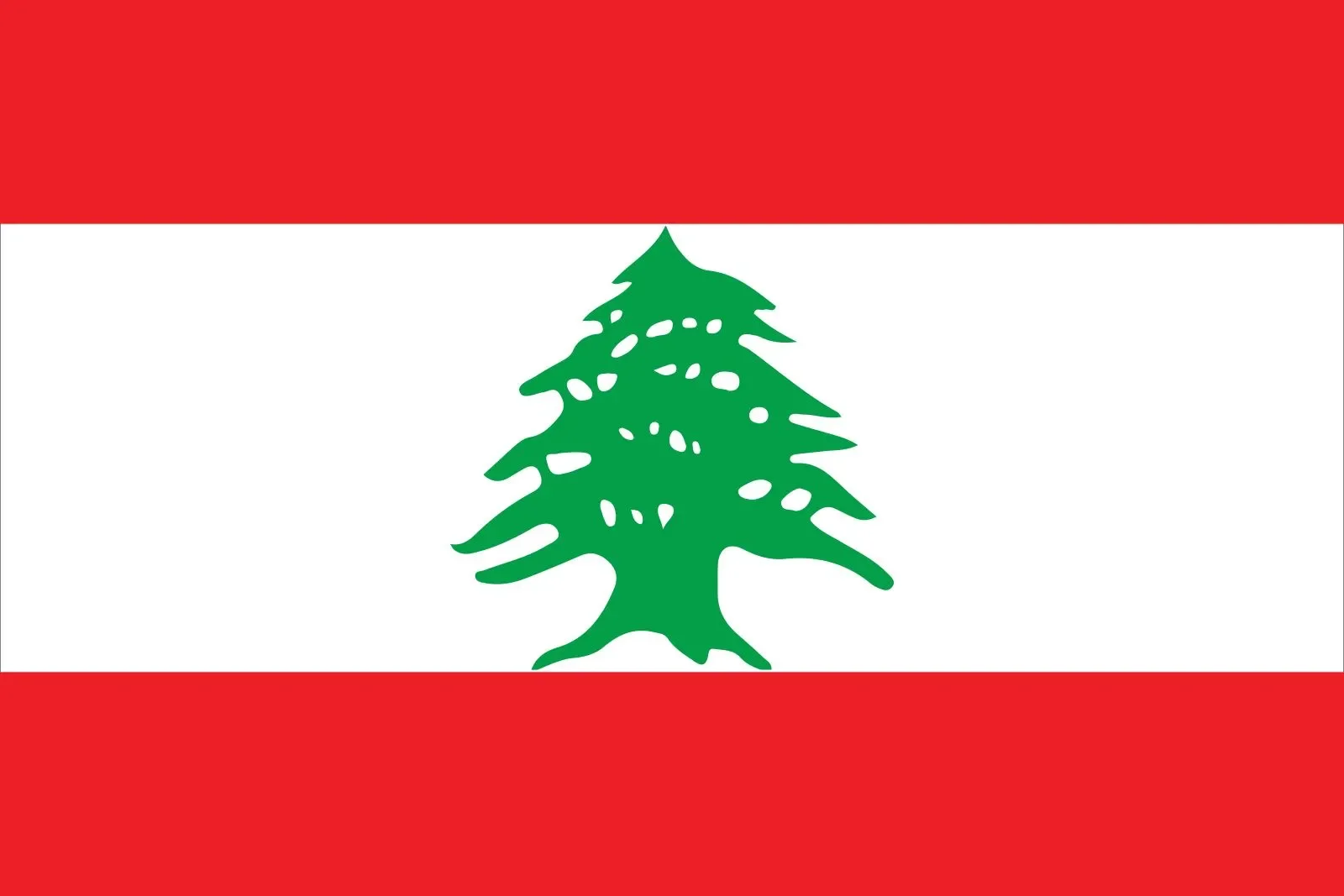
Lebanon has announced that Hezbollah has agreed to a reciprocal halt to attacks against Israel, a development presented as a move toward de-escalation. This declaration comes on the heels of reported acceptance of a partial ceasefire plan, brokered by the United States, by both Hezbollah and Israel. However, reports indicate that clashes have persisted in southern Lebanon despite these purported agreements.
Attacks Continue Despite Declarations
Recent reports from Al Jazeera and BBC News highlight that Israeli military actions in southern Lebanon have expanded, with instances of deadly attacks occurring even after the announced ceasefire’s commencement on April 16th. Notably, the Israeli military has conducted strikes on Beirut on at least two occasions since this date, including a recent incident on Thursday.
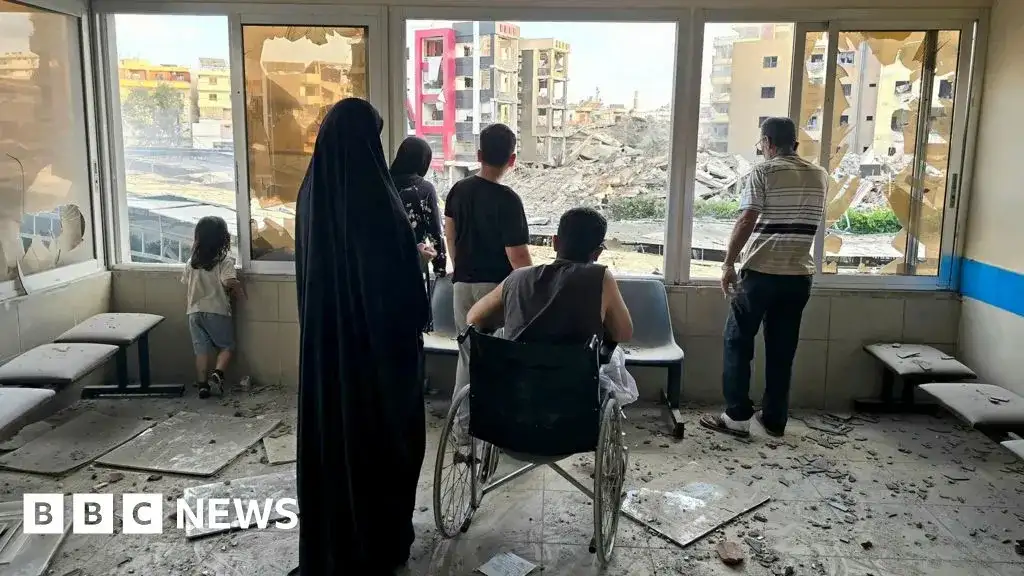
"The deadly attacks raise concerns about the reported agreement on the cessation of hostilities."
This situation fuels skepticism regarding the efficacy and scope of the declared truce.
Read More: Taiwan Holds Nantou County Drills to Prepare for State Collapse
Iran's Stance and Indirect Negotiations
Tasnim news agency in Iran has indicated that Tehran may suspend its indirect negotiations with the United States, particularly concerning Israeli military actions within Lebanon. An earlier truce between the U.S. and Iran, which began on April 8th, has demonstrably failed to quell the ongoing hostilities.
Military Developments and Regional Context
The capture of Beaufort castle, also known as Qalaat al-Chakif, by Israeli forces is described as a "dramatic shift" in their offensive. This site, which served as a base during Israel's previous occupation of southern Lebanon ending in 2000, underscores the ongoing military engagements. Reports from L'Orient-Le Jour suggest that military talks are encountering obstacles due to reciprocal demands.
Lebanon: A Geopolitical Crossroads
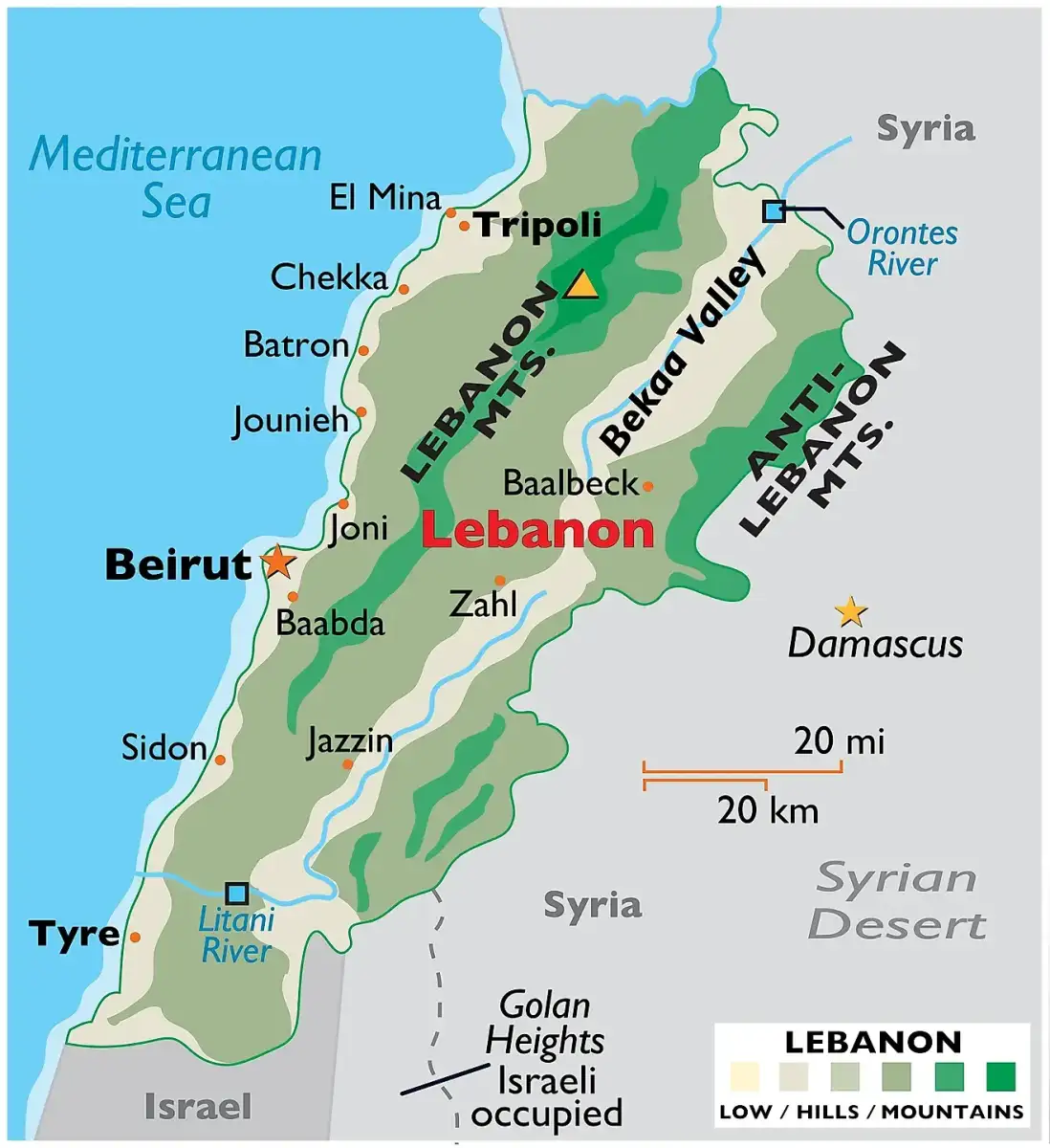
Lebanon, officially the Lebanese Republic, is a Middle Eastern country situated on the eastern Mediterranean coast. Its geography is marked by a narrow coastal plain, the Lebanon Mountains, the fertile Bekaa Valley, and the Anti-Lebanon and Hermon ranges. The country shares borders with Israel to the south and Syria to the north and east.
Read More: Gulf Oil Exports Rise in June but Still Below Pre-War Levels
Environmental and Economic Landscape
Lebanon faces environmental challenges including deforestation, soil erosion, desertification, and air and water pollution. The country is party to several international environmental agreements. Economically, Lebanon's key sectors include banking, food processing, jewelry, cement, and textiles, with the Lebanese Pound (LBP) as its currency. Its main export partners include the UAE, Switzerland, and Saudi Arabia, while its primary import sources are Italy, France, and Germany.
Historical and Cultural Identity
With a history spanning thousands of years, Lebanon is recognized as one of the world's oldest countries and a historic wine-producing region. The nation's political structure is a parliamentary republic. Lebanon is notable for hosting the highest number of refugees per capita globally. Its capital is Beirut.