London, UK – The Labour Party, once conspicuously silent on the United Kingdom's departure from the European Union, is now actively linking the nation's economic sluggishness to the act of Brexit. This marked pivot comes as the party seeks to redefine its electoral strategy, acknowledging the persistent impact of the 2016 referendum.
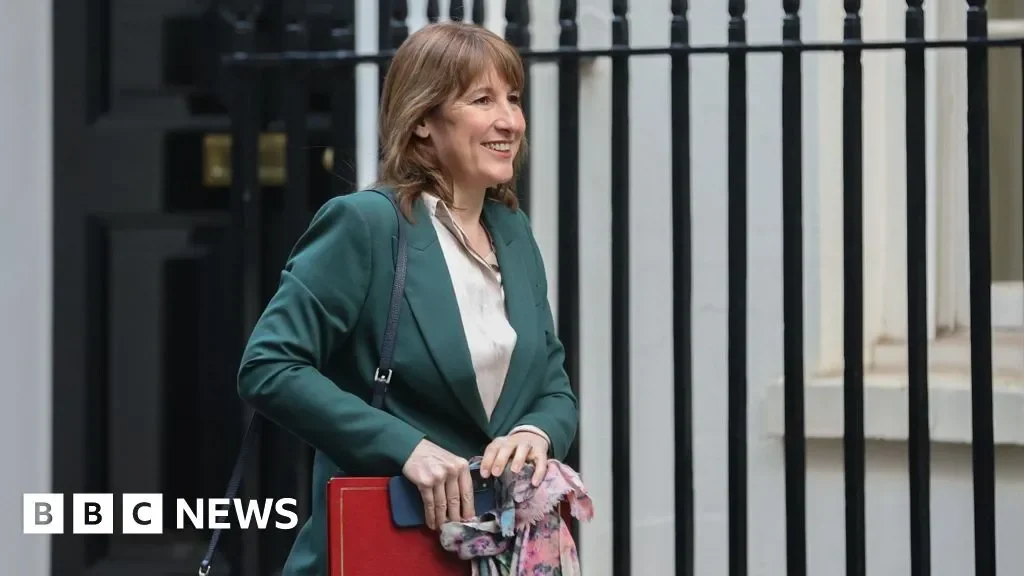
Senior figures, including Chancellor Rachel Reeves, have openly stated that "the impact of Brexit is severe and long-lasting," directly challenging the narrative that Brexit is a settled issue. This shift represents a departure from years of cautious avoidance, a stance that perhaps stemmed from the electoral pains of previous attempts to navigate the divisive issue.

A Calculated Turn
Labour's current approach appears to be a strategic recalibration, moving from a position of appeasement towards former "Leavers" to a more direct engagement with voters concerned about the economic consequences of the UK's exit. While the party has historically sought to bridge the divide, recent analyses suggest that the rise of parties like Reform is not the primary driver of Labour's current electoral challenges. Instead, the focus has intensified on how the economic fallout of Brexit influences voter sentiment.
Read More: Taiwan Holds Nantou County Drills to Prepare for State Collapse
No Return, But Scrutiny
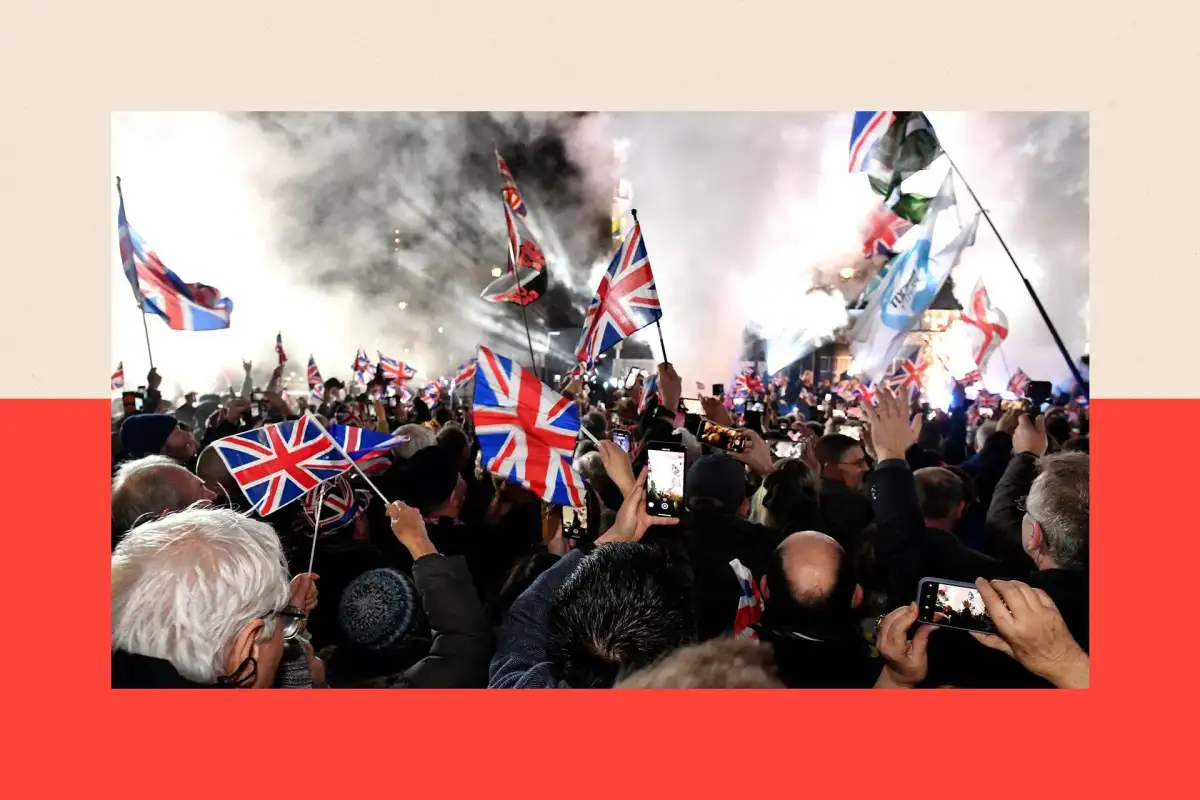
Despite the increased criticism of Brexit's effects, Labour's official position remains firmly rooted outside the EU's orbit. The party's manifesto pledges do not include rejoining the European single market or customs union, nor do they advocate for a return to freedom of movement. This carefully crafted ambiguity means that while Labour is willing to critique the outcomes of Brexit, it is not proposing a reversal of the decision itself. This positions them distinct from other parties, such as the Liberal Democrats, who have advocated for rejoining the single market.
Read More: Andy Burnham Labour Leader Fears Cause UK Markets To Drop
Perceptions vs. Policy
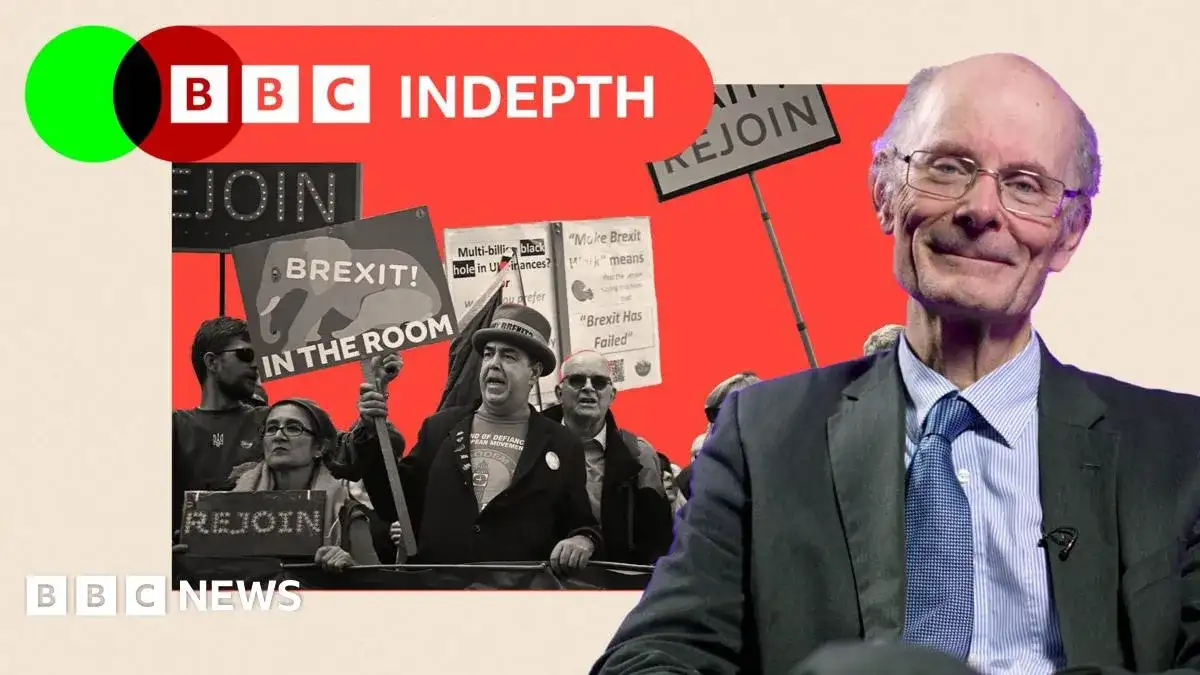
The disconnect between how voters perceive Labour's stance and the party's stated policy on Brexit remains a complex dynamic. Evidence suggests that those who voted to leave the EU are generally less inclined to support Labour, regardless of their perception of the party's position on Brexit. Conversely, a notable segment of "re-joiners" who believe Labour desires to remain in the EU express a greater likelihood of voting Labour. This indicates that voter perceptions, even if misaligned with official policy, can play a significant role in shaping electoral calculus.
Background: The Brexit Equation
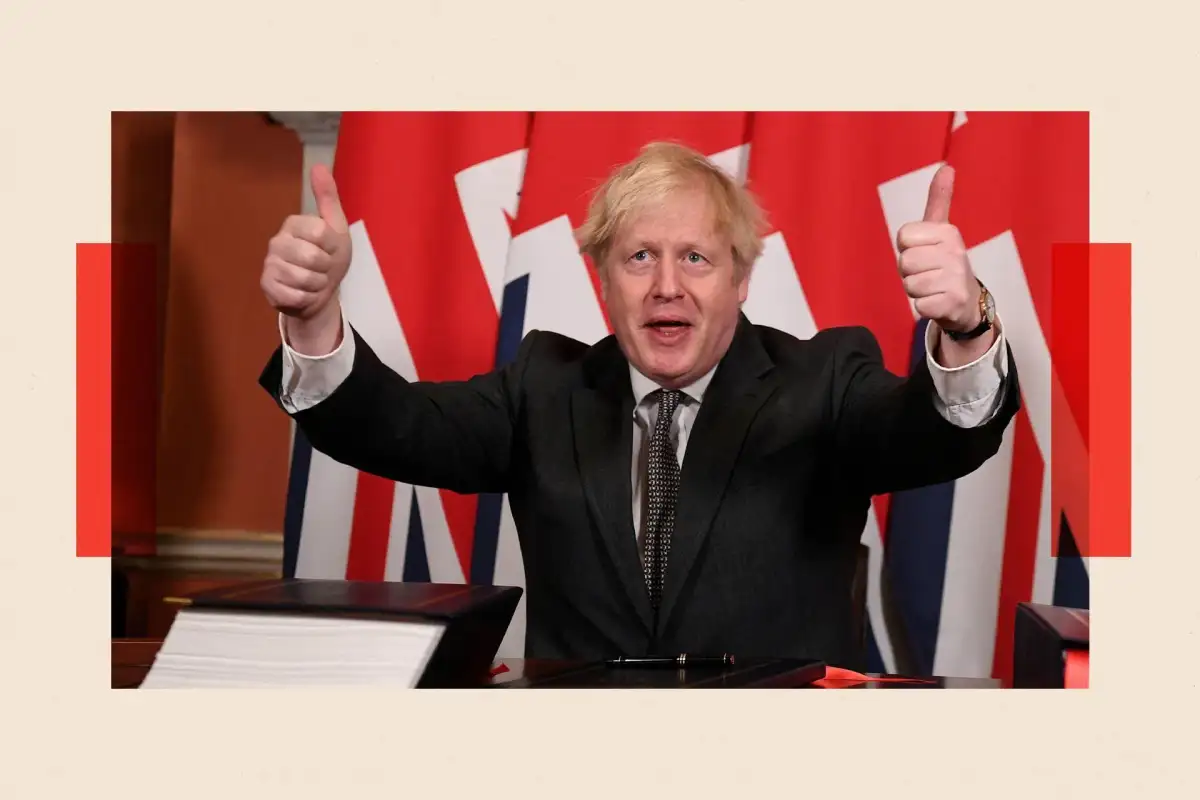
The Labour Party's evolving relationship with Brexit has been a defining characteristic of UK politics since the 2016 referendum. Initially, the party, under various leaderships, adopted a strategy of respecting the referendum result while seeking to mitigate its negative impacts. This often involved navigating a delicate balance, trying to appeal to both the majority who voted to leave and a significant portion of its own traditional support base that favoured remaining in the EU.
Read More: FBI Analysts Review Georgia 2020 Election Data in Fulton County
The manifestos of recent years, including the one published in June 2024, have consistently reiterated a commitment to honoring the referendum outcome. However, the tone and emphasis have shifted. From a general desire to "make Brexit work," the discourse has increasingly focused on the tangible economic disadvantages attributed to the UK's departure from the European Union. This recalibration suggests a recognition that a purely pragmatic approach to "making Brexit work" may not be sufficient to address the underlying economic concerns that Brexit itself has exacerbated.
The ongoing debate, as evidenced by analyses from publications like British Politics and Politico, points to a party grappling with the legacy of a decision that continues to shape the nation's economic and political landscape. Labour's current strategy appears to be one of acknowledging the difficulties without promising a return, a stance that aims to satisfy neither ardent Remainers nor staunch Leavers entirely, but perhaps to capture the broader electorate weary of economic stagnation.
Read More: UK Spring Statement 2025: New £2 Billion for Projects and Tax Changes