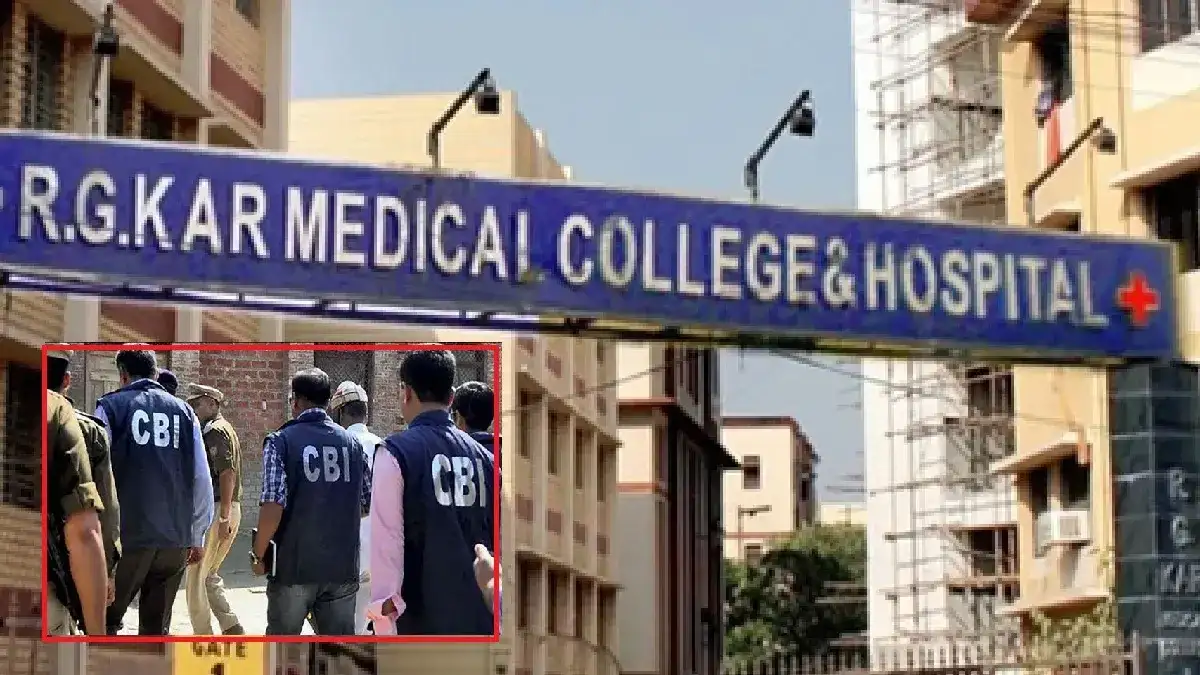
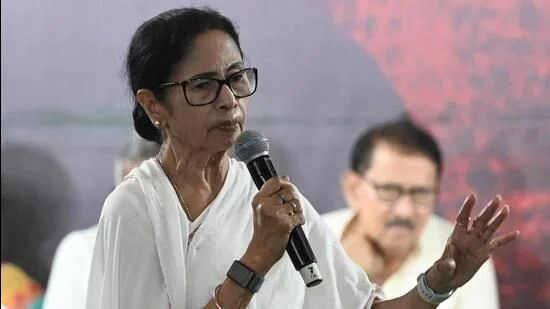
West Bengal Chief Minister Mamata Banerjee is mobilizing for a significant protest on March 16 in Kolkata, targeting the central government's handling of a growing Liquefied Petroleum Gas (LPG) and Compressed Natural Gas (CNG) crisis. The move frames the escalating fuel shortages and price hikes as a direct consequence of "ill-planned, abrupt decisions" and a "lack of planning" by the Narendra Modi administration, potentially leveraging the issue to influence upcoming elections.

The Chief Minister has articulated a stance of "fuel sovereignty," declaring, "Bengal’s gas stays in Bengal." This declaration underscores a strategy to consolidate domestic resources and address the immediate needs of the state's population. Banerjee has explicitly criticized the central government's preparedness, noting the absence of strategic reserves, activated alternative supply routes, or contingency protocols to mitigate disruptions in global energy supply chains.
Read More: Taiwan Holds Nantou County Drills to Prepare for State Collapse

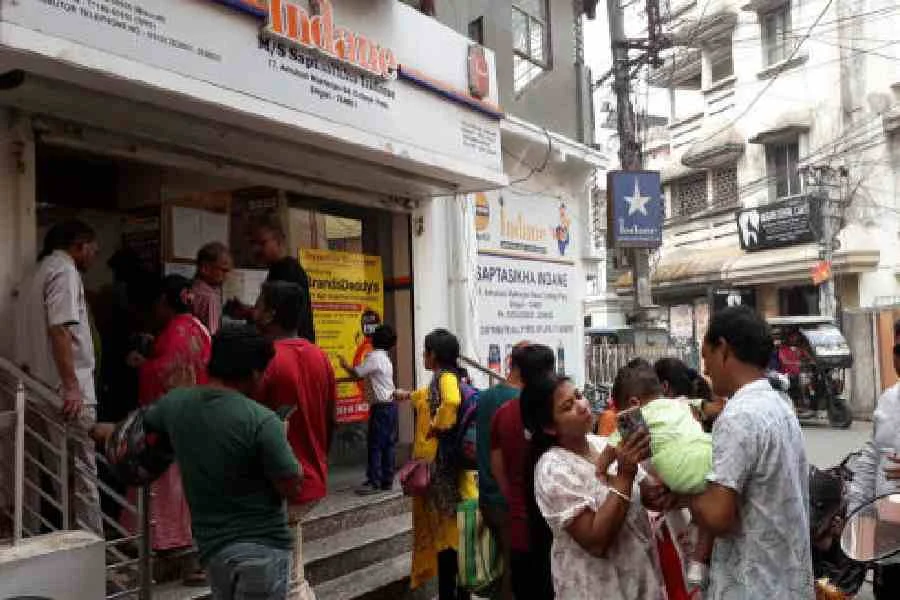
Long queues have been observed outside gas distribution offices across West Bengal, indicating widespread consumer panic. State Finance Minister Chandrima Bhattacharya echoed these sentiments, questioning the central government's readiness and highlighting the failure to anticipate geopolitical risks and build larger reserves before implementing supply restrictions. The crisis has been linked by some to Middle East tensions and subsequent actions, including missile attacks on Iran, with Banerjee questioning the timing of the central government's responses.
Accusations of Central Government Mismanagement
Trinamool leaders have pointed fingers at the central government's foreign policy decisions as a root cause for the current fuel scarcity. Trinamool MLA Tanmay Ghosh, for instance, directly blamed these decisions for the unfolding crisis. The decision to impose a mandatory 25-day gap between LPG bookings has also been cited as a significant factor in triggering consumer fear and exacerbating the panic.
Read More: Om Birla asks West Bengal MLAs for solutions, not just criticism
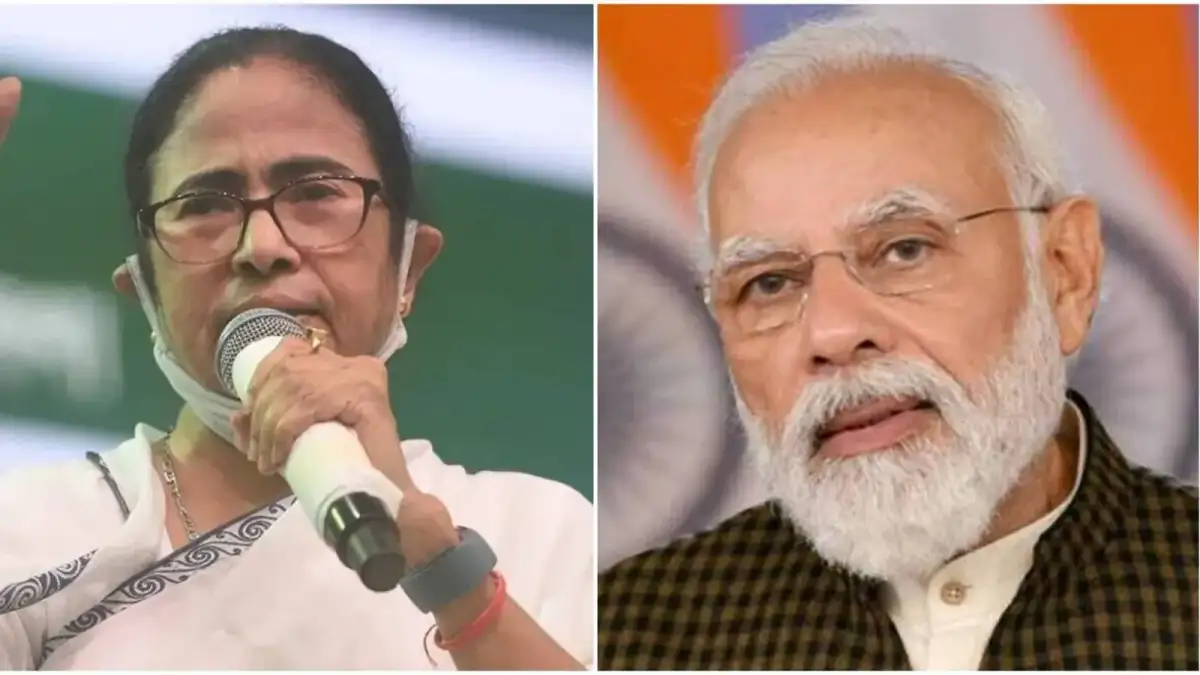
“The Centre should have anticipated the geopolitical risk and built larger reserves before imposing restrictions on supply." - Mamata Banerjee
While Banerjee has expressed willingness to offer subsidies, she has questioned their efficacy without a guaranteed supply. The Essential Services Maintenance Act (ESMA), invoked by the Centre, has also drawn criticism, with Banerjee suggesting that arrests will not resolve the fundamental issues facing the public.
Opposition and Counter-Allegations
The Bharatiya Janata Party (BJP) has countered these claims, with State president Samik Bhattacharya alleging that the Trinamool Congress is manufacturing an "artificial crisis."
Focus on Voter Appeal
Political analysts suggest that Banerjee is strategically employing the LPG crisis to connect with voters, particularly women, a key demographic in Bengal. The rising cost of household fuel is being directly linked to broader economic anxieties and national energy planning failures. Banerjee has urged women to organize protest rallies, some calling for the use of utensils and black attire as symbols of their discontent.
Read More: FBI Analysts Review Georgia 2020 Election Data in Fulton County
Background
India's heavy reliance on overseas LPG suppliers, particularly from the Gulf region, makes it vulnerable to geopolitical instability. Recent escalations in the Middle East have impacted global energy markets, leading to increased prices and potential supply chain disruptions. The current situation comes at a time when West Bengal is navigating electoral processes, with the voter roll revision and alleged deletions also forming a backdrop to the political discourse. Banerjee's protest plans follow a recent sit-in against alleged irregularities in voter roll revisions.