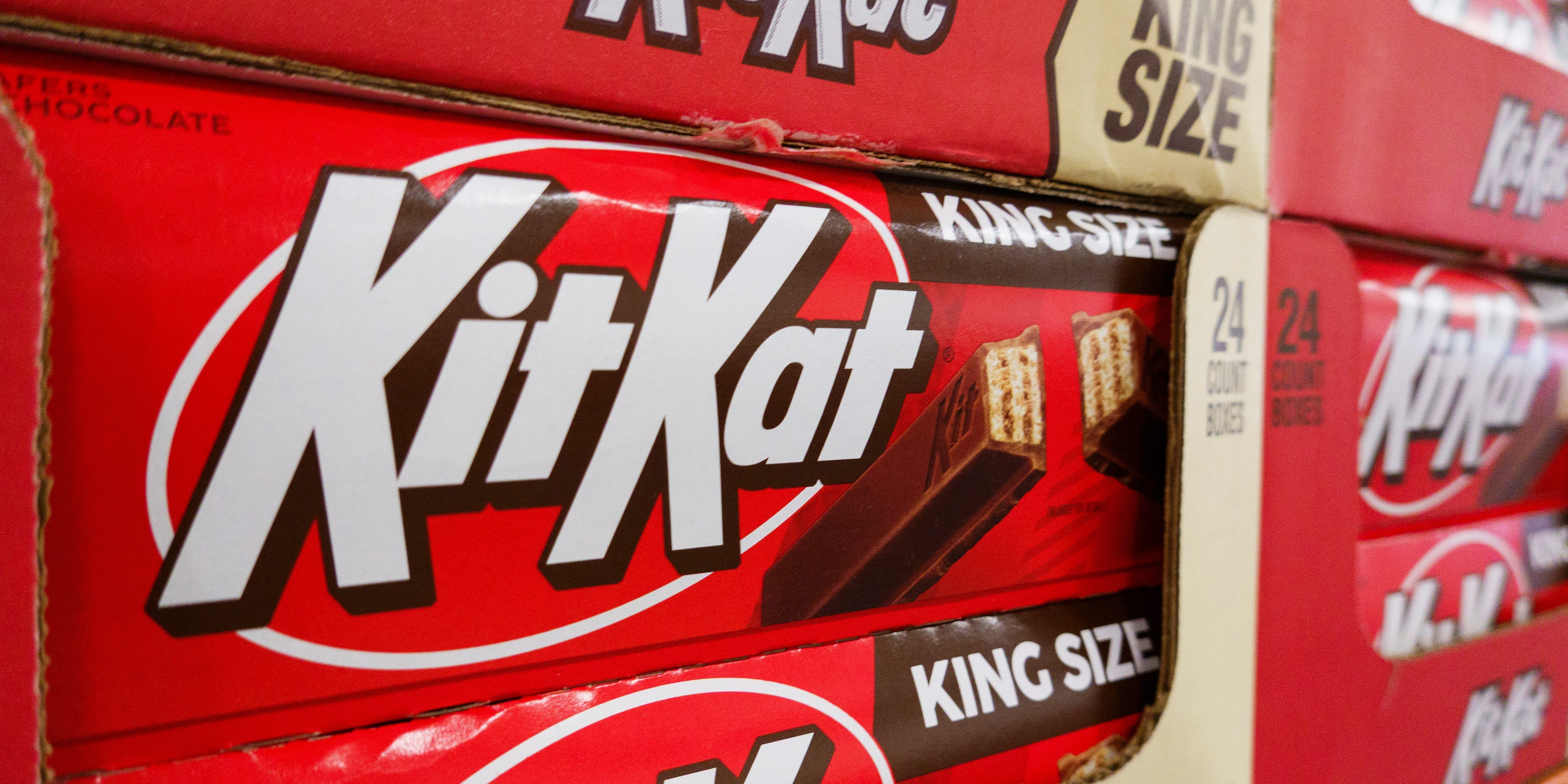
Criminal actors have successfully intercepted a transit vehicle carrying 413,793 KitKat bars—weighing approximately 12 tonnes—during its passage from a manufacturing facility in Perugia, Italy, to a destination in Poland. The cargo, which consists of the brand’s new Formula 1 promotional line, remains missing. Both the transport vehicle and its contents are currently unaccounted for, according to official statements from Nestlé.

The theft highlights a structural fragility in global supply chains, where high-volume, low-security consumer goods are increasingly targeted by sophisticated criminal syndicates.

Official Response and Public Involvement
In an effort to manage the fallout, Nestlé has deployed a Stolen KitKat Tracker, encouraging the public to verify the batch numbers on purchased goods.

Risk of Gray Markets: The company warns that the stolen inventory may enter unofficial retail channels.
Traceability: Every unit contains a unique batch code intended for inventory tracking, which the brand is now using as a forensic tool.
Corporate Framing: Despite the potential for local retail shortages ahead of the Easter holiday, the firm has utilized irony in its public relations, framing the crime as a "literal interpretation" of its "have a break" advertising slogan.
Contextualizing the Heist
This event is not an isolated irregularity but part of a wider trend in cargo theft. Data provided by the International Union of Marine Insurance (IUMI) and the Transported Asset Protection Association (TAPA) EMEA suggests that freight fraud has moved beyond simple opportunistic crime into more orchestrated maneuvers.
Read More: Paella Recipe Updates: Bomba Rice and No Stir Rule
| Element | Detail |
|---|---|
| Origin | Perugia, Italy |
| Intended Destination | Poland |
| Quantity | 413,793 bars (approx. 12 tonnes) |
| Product Line | Formula 1 promotional series |
| Investigation Status | Ongoing (Local authorities + supply chain partners) |
While the brand has maintained a tone of dark humor, the incident exposes the thin veil of security protecting transnational logistics. The transition of consumer products from legitimate manufacturing streams into the shadow economy—and the subsequent reliance on the public to act as surveillance agents—points to a failure in traditional asset protection systems. The investigation persists, but the physical location of the cargo remains an opaque data point in the European distribution network.
:max_bytes(150000):strip_icc()/image-460-7bdc9b0a055246f0b95bfb1b800773ec.jpg)


/cloudfront-ap-southeast-2.images.arcpublishing.com/nzme/RVI7RFHOI34HTKKRUG3LS6DNVY.jpg)